

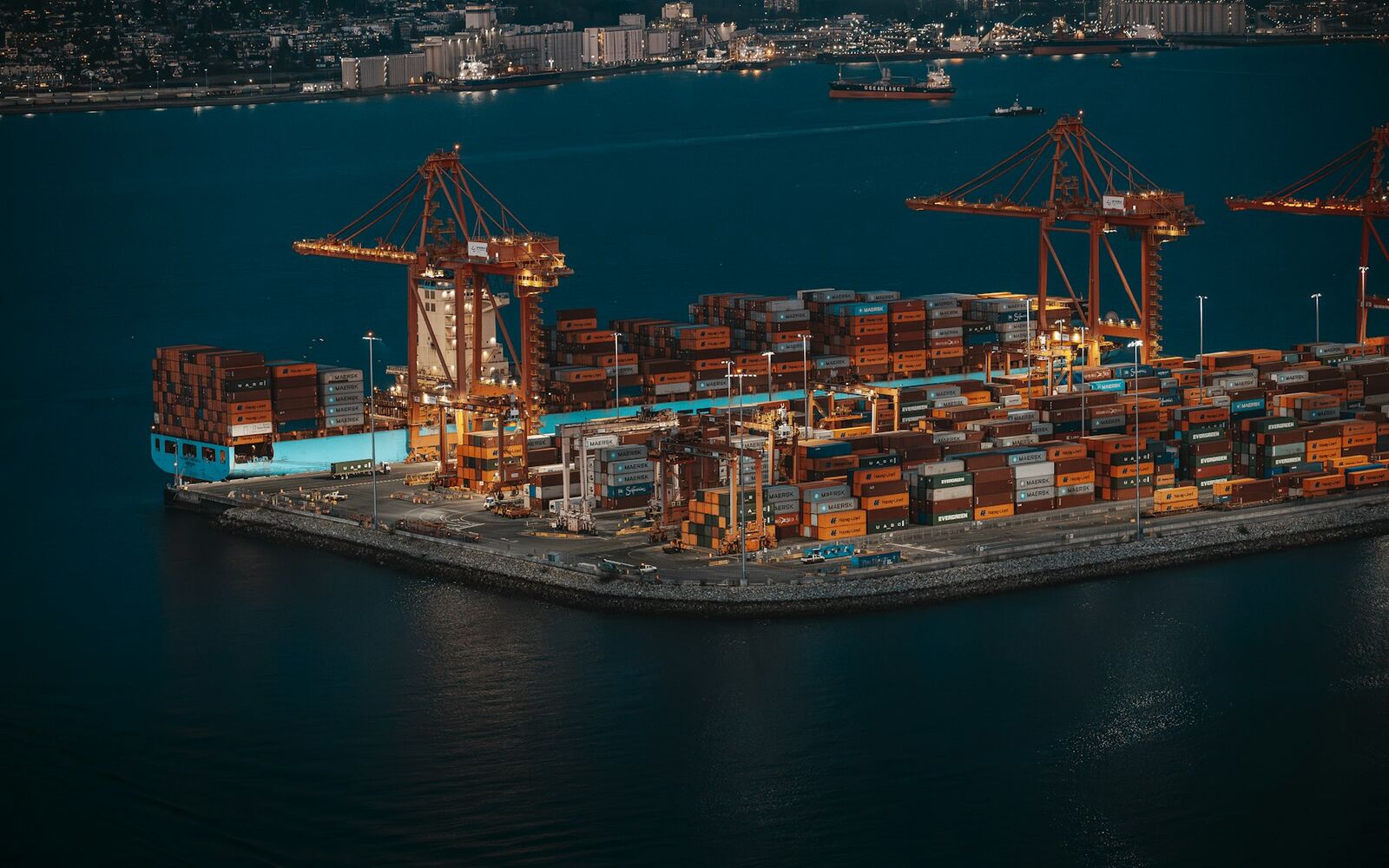
Container shipping may have become the standard of world trade, but not every cargo fits inside a box. For giant transformers, steel structures, pipes, turbine components and complete plant equipment, breakbulk shipping comes into play. Breakbulk is the carriage of cargo that is lifted into a vessel's hold or onto its deck by crane, individually or in packages, without being containerised. As the maritime backbone of project logistics, this method sits at the centre of the heavy cargo operations Özd Global runs from the ports of Gebze and Kocaeli.

What Is Breakbulk Shipping?
The term "break bulk" describes cargo made up of separately handled pieces rather than loose bulk material. Each item is taken on board with its own packaging, skid or crate, using either shore cranes or the vessel's own gear. Unlike container ships, breakbulk vessels have wide hatch openings, powerful deck cranes and a flexible cargo layout.
Typical Breakbulk Cargo
- Transformers, generators and turbine housings
- Steel pipes, beams, coils and bundled profiles
- Prefabricated modules, tanks and pressure vessels
- Construction and agricultural machinery
- Yachts, boats and small craft
- Large machine parts on pallets or in crates
Breakbulk vs Container vs RoRo
There are three main options for moving heavy cargo by sea. The right one depends on the cargo's dimensions, whether it is wheeled, and the port infrastructure along the route:
| Criterion | Container / Flat Rack | RoRo | Breakbulk |
|---|---|---|---|
| Cargo type | Near-gauge loads | Wheeled or trailer-mounted | Any size or weight, piece cargo |
| Loading method | Container gantry | Driven on via ramp | Shore or ship's crane |
| Port requirement | Container terminal | RoRo ramp | General cargo berth |
| Sailing frequency | High | Medium | Low, mostly scheduled or chartered |
| Flexibility | Low | Medium | Very high |
| Unit cost | Low | Medium | Varies with cargo |
The Breakbulk Shipping Process
Breakbulk operations call for far more coordination than a container booking. The core steps Özd Global follows are:
- Cargo analysis: Dimensions, weight, lifting points and packaging are reviewed; seaworthy crates or skids are designed where needed.
- Vessel and route selection: Depending on volume, a scheduled liner service or a full or part charter is evaluated.
- Port preparation: Berth, crane capacity and storage space are reserved and the road pre-carriage to the port is planned.
- Loading and lashing: The cargo is stowed and secured according to an engineered plan, with welded sea fastening under surveyor supervision.
- Ocean voyage: Position and weather reports are monitored throughout the passage.
- Arrival and delivery: Discharge, customs clearance and final delivery to the site are carried out at the destination.

Liner or Charter?
Liner services sail on fixed schedules between set ports and are an economical choice for smaller breakbulk volumes. If a single consignment fills a significant part of a vessel, or if the destination port is off the regular schedule, a full or part charter may be more suitable. Under a charter, loading and discharge times are fixed by contract; delays can trigger demurrage, so port operations must be planned flawlessly.
Tip: Design the packaging of your breakbulk cargo for sea conditions, not just for road transport. Crates and skids that withstand humidity, salt air and vessel motion dramatically reduce the risk of damage on arrival.
What Drives the Cost
Breakbulk shipping is generally priced per "freight ton", whichever is greater of weight and volume. On top of that, port handling charges, crane hire, lashing materials and labour, survey services, insurance and, where applicable, charter hire make up the total. Because rates fluctuate with route, season and vessel supply, a firm figure is only possible once cargo details and dates are fixed.
Breakbulk Solutions with Özd Global
Through its sea freight team, Özd Global organises breakbulk and project cargo shipments from the Marmara ports to destinations worldwide. We manage everything under one contract, from factory collection and port handling to vessel booking and final delivery in the destination country. Our location in Gebze gives manufacturers in the Kocaeli industrial basin the advantage of short, fast pre-carriage to the port.
Frequently Asked Questions
When is breakbulk shipping more advantageous than containers?
If the cargo exceeds the dimension or weight limits of a standard or flat rack container, cannot be broken down into parts, or the destination port lacks container infrastructure, breakbulk is the more suitable and often more economical solution.
How far in advance should a breakbulk vessel be booked?
For liner services, booking four to eight weeks ahead is recommended. For charters, lead times can be longer depending on market conditions, and large projects start planning several months in advance.
How is damage risk managed in breakbulk shipping?
Seaworthy packaging, lashing under surveyor supervision, photographic inspection before and after loading, and a project-specific marine cargo policy bring the risk largely under control.
Breakbulk shipping is the most flexible way to deliver cargo that will not fit a container to any port in the world. To share your cargo details and review routing options together, contact Özd Global.