

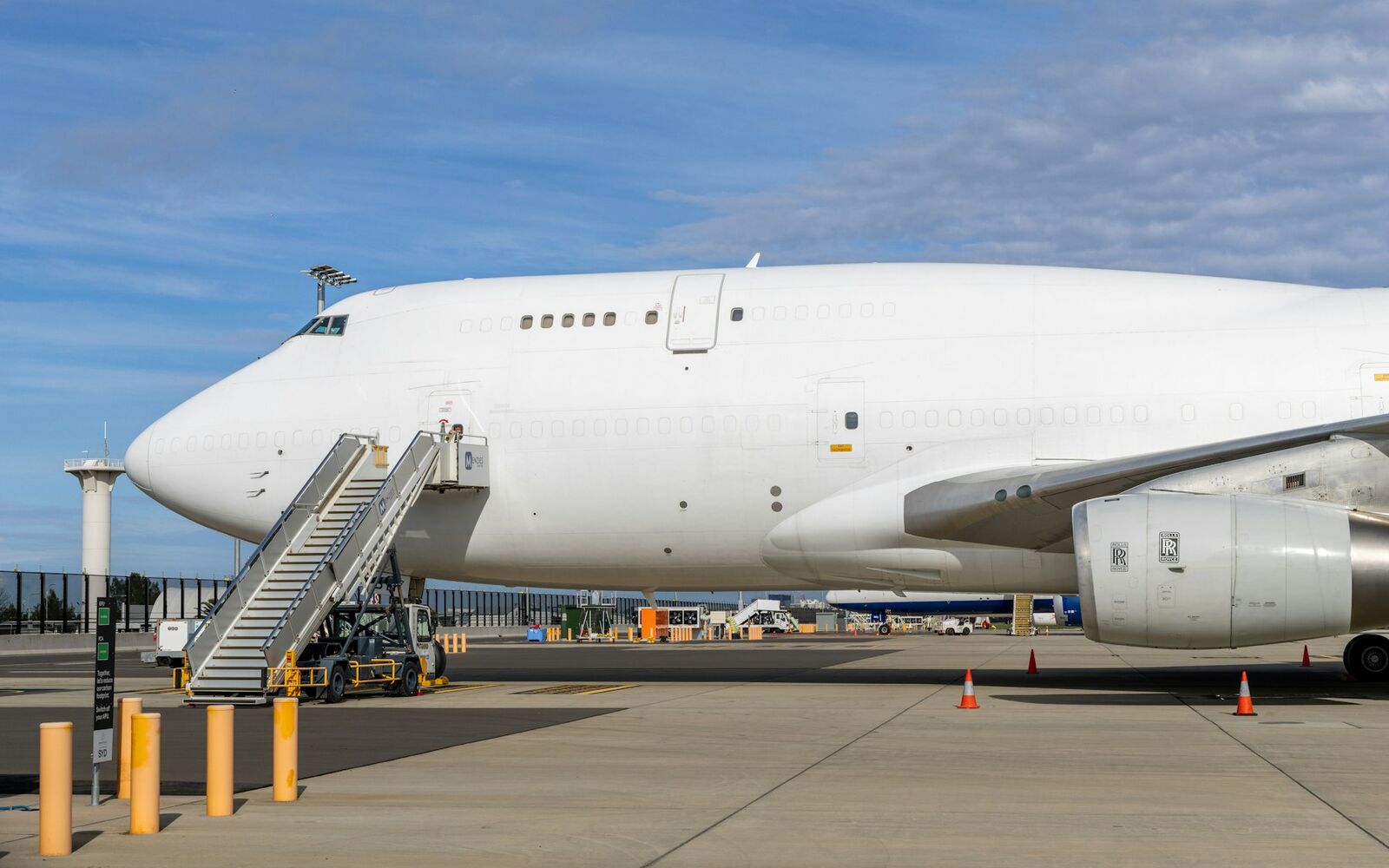
Cold chain air freight pharma shipments are among the least forgiving operations in logistics. Vaccines, biologics, insulin, clinical trial samples and temperature-sensitive active ingredients must stay inside their defined temperature range from the production site to the patient. A single hour of excursion can mean the destruction of an entire batch, regulatory problems and patient safety risks. Air transport is the ideal mode for cold chain because it shortens transit time, yet waiting on the airport apron, temperatures in the screening area and handling at transfer points are the weakest links in the chain. When Özd Global plans cold chain air freight pharma shipments for pharmaceutical and medical companies in Gebze and Kocaeli, each of these critical points is managed separately. This article covers temperature ranges, packaging options, documentation and monitoring requirements and the risks encountered most often.

Why Cold Chain Air Freight Is Different
In standard air cargo, a few hours of waiting at the airport causes no harm. In cold chain, every wait is an excursion risk that shows up in the temperature log. The factors that make the difference are:
- How long the cargo stays on the apron, in sunlight or in unheated areas
- Whether packaging will be opened during security screening
- Cold storage availability at the intermediate airport on transit routings
- Customs processing time and cold room access in the destination country
- Refrigerated vehicle and delivery-slot alignment for final delivery
Cold chain air freight pharma shipping is therefore not a flight booking but a door-to-door temperature management project.
Temperature Ranges and Product Groups
Pharmaceuticals and biologics typically travel in one of four temperature ranges. The table summarises the common ranges, example products and the usual packaging approach.
| Temperature range | Common term | Example products | Typical packaging |
|---|---|---|---|
| +15 / +25 °C | Controlled room temperature (CRT) | Tablets, some syrups | Insulated box, phase-change material |
| +2 / +8 °C | Refrigerated | Vaccines, insulin, biologics | Passive cooler or active container |
| around -20 °C | Frozen | Some biological samples, plasma | Passive packaging with dry ice |
| -70 °C and below | Deep frozen | mRNA-based products, cell therapies | Dry ice or liquid nitrogen shipper |
Shipments using dry ice must also be declared under IATA dangerous goods rules, so cold chain and dangerous goods compliance need to be planned together.
Packaging: Passive or Active?
Passive Packaging
Consists of an insulated box and pre-conditioned coolant elements. It needs no power, is economical and suits small to medium shipments. Its drawbacks are limited protection time and sensitivity to ambient temperature. Models offering between roughly 48 and 120 hours of protection are available; the duration depends on the external temperature profile.
Active Containers
Dedicated air cargo containers with their own cooling and heating systems, powered by battery or mains. They measure and correct temperature continuously and are preferred for long transits and high-value batches. Rental costs are high and they are not available at every airport, so booking must be early.
Tip: When choosing packaging, calculate the "worst case" duration, not just the planned transit time. Knowing how many extra hours the packaging will hold in the event of a flight cancellation, extra customs inspection or a weekend delay is what saves the batch.
Documentation, Monitoring and Quality Requirements
Good Distribution Practice (GDP) principles govern pharmaceutical shipments. The main expectations are:
- Temperature data logger: Every shipment carries a calibrated logger; the record is shared with the consignee on arrival.
- Excursion procedure: Who decides what, and within how long, when the range is breached must be defined in advance.
- Lot and batch traceability: Every carton and pallet is tracked against its production lot.
- Lane qualification: For critical routes, transit time, waiting points and temperature risk are assessed beforehand.
- Trained staff: Everyone handling the cargo needs cold chain awareness and product-specific instructions.
The customs clearance stage is where cold chain loses the most time. Özd Global prepares import and export declarations before the cargo reaches the airport, keeping terminal dwell time to a minimum.
Choosing the Airport and Airline
Not every airport has cold storage suitable for pharmaceuticals. Before booking, confirm that +2/+8 °C and -20 °C storage is available at origin, transit and destination. Airlines' dedicated pharma product classes (offered under various names) provide priority apron handling and transfer in temperature-controlled vehicles. In its air freight planning, Özd Global prioritises direct flights and pharma-certified terminals.
Pre-Carriage and Final Delivery
The cold chain does not start or end at the airport. Refrigerated pre-carriage from factory to airport, refrigerated final delivery at destination and, where needed, temperature-controlled interim storage within our warehousing and distribution infrastructure complete the chain. The short distance from our Gebze operations centre to the airports is a real advantage in reducing pre-carriage risk.
Frequently Asked Questions
How long does cold chain air freight pharma shipping take?
Door to door, European destinations are usually planned at 2–4 days and long-haul destinations at 3–6 days. The time depends on direct flight availability, customs speed and delivery slots; packaging protection time is chosen to match this plan.
What happens if there is a temperature excursion?
The data logger records the excursion, and the consignee's quality department decides whether the product remains usable based on the duration and magnitude. A pre-defined excursion procedure ensures that decision is made quickly and with documentation.
Do the same rules apply to small clinical samples?
Yes. Even when the sample volume is small, the temperature, documentation and monitoring requirements do not change. Passive packaging with dry ice is common for small shipments, and the dry ice quantity must appear on the dangerous goods declaration.
Cold chain air freight pharma shipping is a specialist discipline that demands experience and rigour. To build a safe door-to-door plan for your temperature-sensitive products, reach Özd Global through our contact page or call +90 551 462 41 34.