

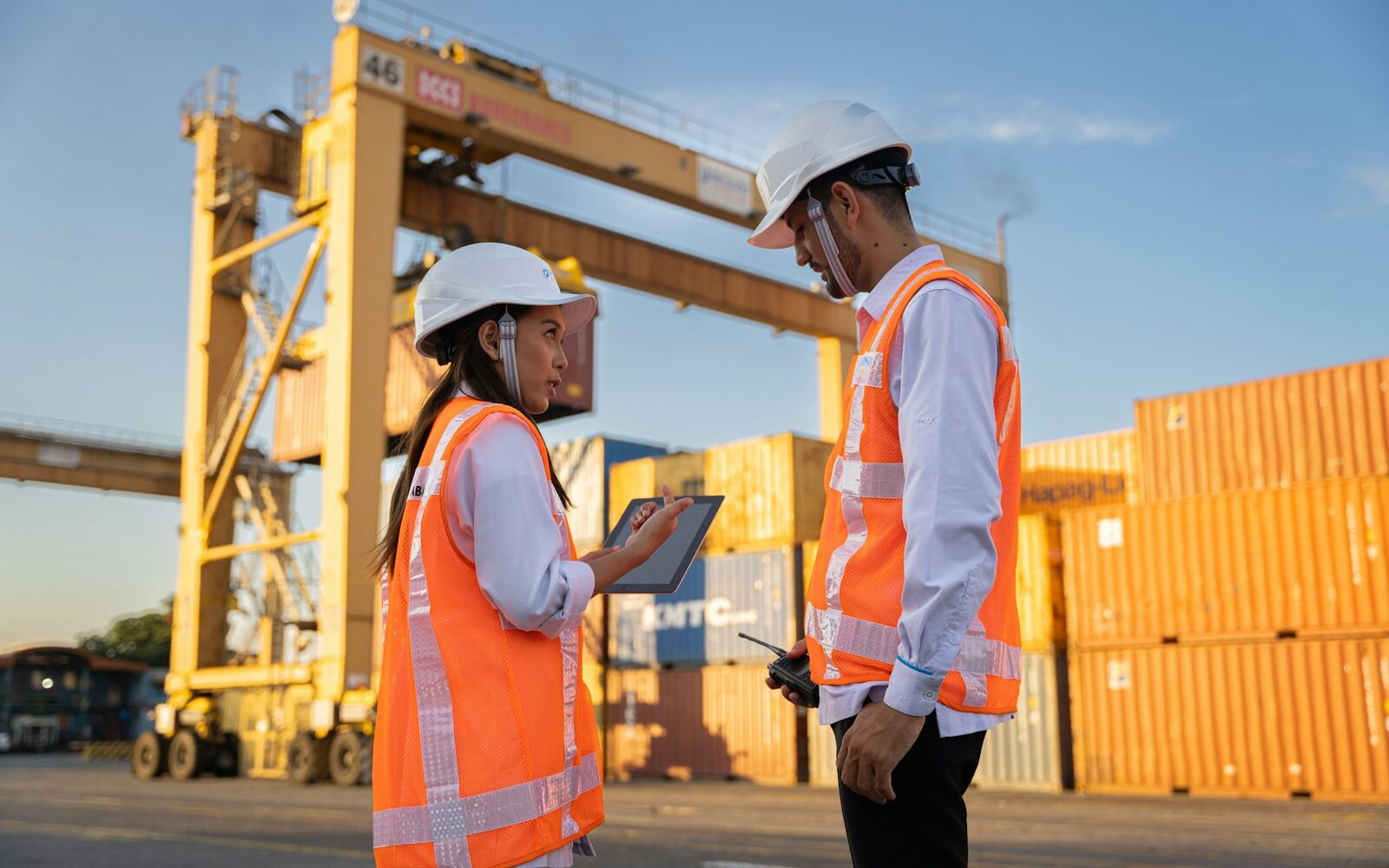
Understanding how customs clearance works is the first item on the agenda for every company new to foreign trade. Customs clearance covers all of the declarations, documents, duties and inspections required for goods to legally enter or leave a country. When the process is managed well, a container leaves the port within a few days; a missing document or an incorrect declaration can mean weeks of waiting, storage charges and penalties. In this article, Özd Global walks through the steps of customs clearance, the documents you need, the logic behind duty calculation, inspection channels and the most common mistakes.

What Is Customs Clearance and Who Can Do It?
Customs clearance is the process of declaring goods to the customs authority, classifying them under the correct tariff code, establishing their value, calculating and paying duties and, after the required checks, releasing them into free circulation or for export. In Türkiye, a customs declaration can be lodged by a licensed customs broker authorised by the company, or directly by the company's own staff if specific conditions are met.
In practice, most businesses hand this work to a customs broker or a logistics provider, because the legislation is complex and changes constantly. Özd Global's customs clearance service runs as an integrated part of our transport and warehousing operations.
How Customs Clearance Works, Step by Step
The clearest answer to how customs clearance works is to break the process into stages. A typical import flow looks like this:
- Preparation: The HS code of the product is determined and any import licence or certificate requirement is checked.
- Collecting documents: The invoice, packing list, bill of lading and, where applicable, the certificate of origin, ATR or EUR.1 are obtained.
- Arrival and summary declaration: The carrier notifies customs of the goods' arrival and the cargo is placed in temporary storage.
- Lodging the declaration: The customs broker files the declaration electronically.
- Channel assignment: The system assigns the declaration to a control channel based on risk analysis.
- Payment of duties: Customs duty, VAT and any additional charges are paid or secured by guarantee.
- Release and delivery: The goods enter free circulation and are collected from the port or bonded warehouse for delivery to the warehouse or customer.
Export is shorter: the declaration is lodged, the goods enter the customs area, checks are completed and the vehicle or container leaves the country; the declaration closes once exit is confirmed.
What Do the Inspection Channels Mean?
The customs system routes declarations into different channels according to risk criteria. The blue channel means release without checks, the yellow channel means a document review, and the red channel means a physical inspection.
Required Documents
The document set varies by product type, country of origin and mode of transport, but the core documents appear in every file.
| Document | Purpose | Prepared By |
|---|---|---|
| Commercial invoice | States the value of the goods and the parties | Seller |
| Packing list | Details cartons, weight and volume | Seller |
| Bill of lading / CMR / AWB | Transport contract and title to the goods | Carrier |
| Certificate of origin | Proves where the goods were produced | Chamber in the exporting country |
| ATR or EUR.1 | Grants preferential (reduced) duty | Exporter and customs |
| Licences, test reports, conformity | For products subject to specific controls | Relevant authority |
Tip: The product description on the invoice, the packing list and the bill of lading must match exactly. The smallest inconsistency (a different weight, a missing carton count, a wrong consignee name) can push the declaration into the yellow or red channel.
How Are Duties Calculated?
Import duties are calculated on the customs value of the goods. The customs value is usually the invoice amount plus freight and insurance (CIF). The customs duty rate assigned to the HS code is applied to this value, followed by VAT and, where relevant, special consumption tax, additional customs duty or anti-dumping duty. If a preferential trade agreement exists between the country of origin and Türkiye and the correct certificate is presented, customs duty may be reduced to zero or lowered. Because rates differ enormously by product and country, a pre-shipment landed-cost estimate is the safest approach.
Differences by Mode of Transport
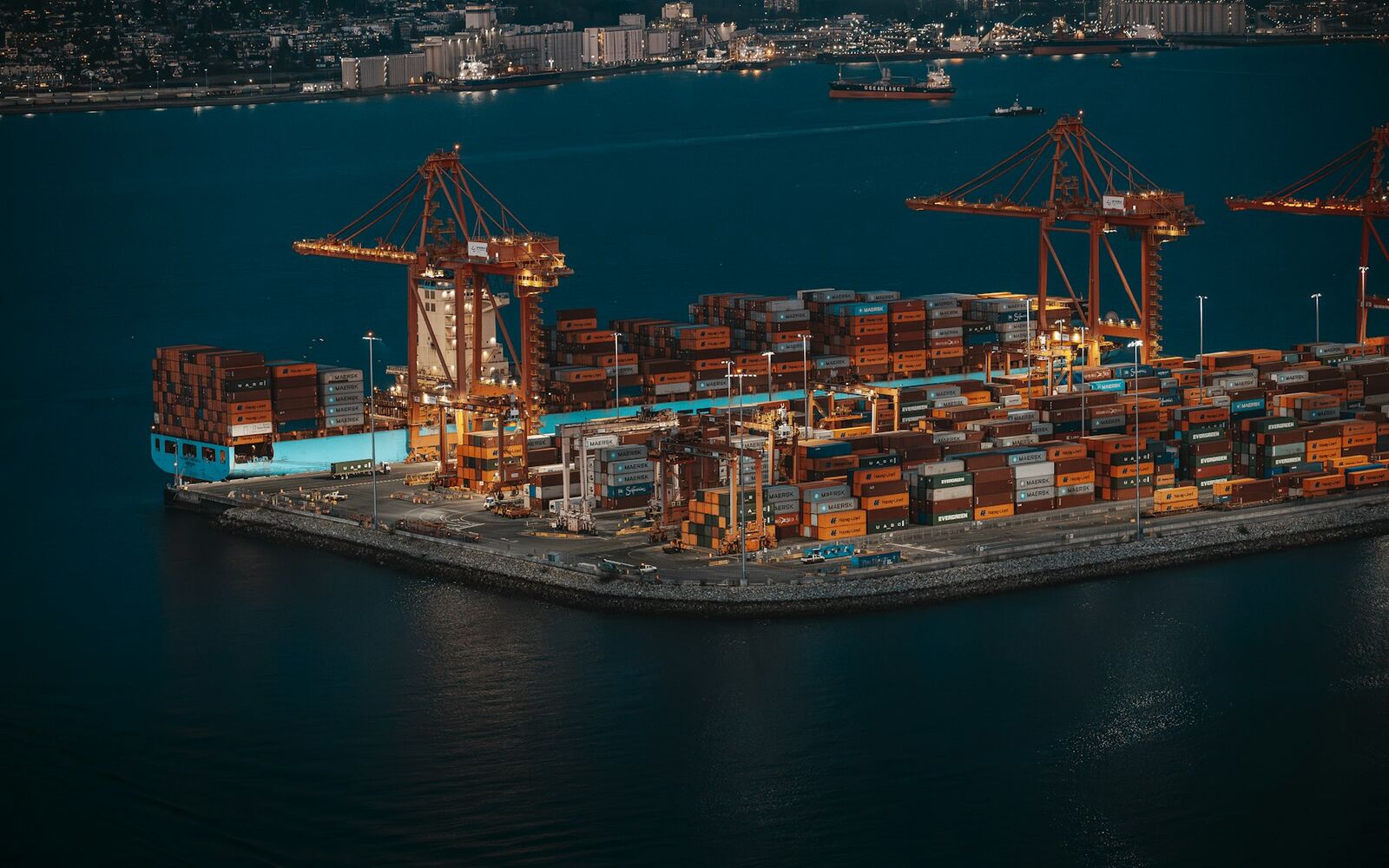
Customs clearance follows the same logic in every mode, but the details differ. For containers arriving by sea freight, port storage periods and the container return deadline drive the cost; for air freight shipments, formalities can be completed within hours but storage charges rise quickly by the day. In road transport, the TIR carnet or transit declaration adds separate steps at the border and at destination.
Using a Bonded Warehouse
Companies that do not wish to clear the whole consignment at once use the bonded warehouse regime. Goods are held in a customs-controlled warehouse without paying duty and are withdrawn through partial declarations as needed. This eases cash flow and adds flexibility to stock planning.
The Most Common Mistakes
In Özd Global's experience, most delays stem from a handful of basic errors: selecting the wrong HS code, incomplete or inconsistent documents, discovering a licence requirement only after shipment, failing to obtain the certificate of origin, and not tracking container free time. All are avoidable if the broker is involved at the planning stage.
Frequently Asked Questions
How long does customs clearance take? If the documents are complete and the declaration falls into the blue or yellow channel, import formalities are usually completed within one to three working days. Red-channel inspections, licensed products and missing documents extend the timeline.
What costs are involved in customs clearance? Beyond the duties themselves there are customs brokerage fees, port or bonded warehouse storage, handling, delivery order charges and, where applicable, inspection costs. Amounts depend on the value of the goods, the port and the waiting time.
Can a company handle its own customs clearance? The legislation allows it under certain conditions, but because it requires system authorisation, regulatory monitoring and legal liability, most companies prefer to work with a licensed customs broker.
Customs clearance is the most technical and least forgiving stage of foreign trade. From Gebze, Özd Global manages your import and export declarations together with transport and warehousing. For a landed-cost estimate and advice on your shipment, visit our contact page or call +90 551 462 41 34.