

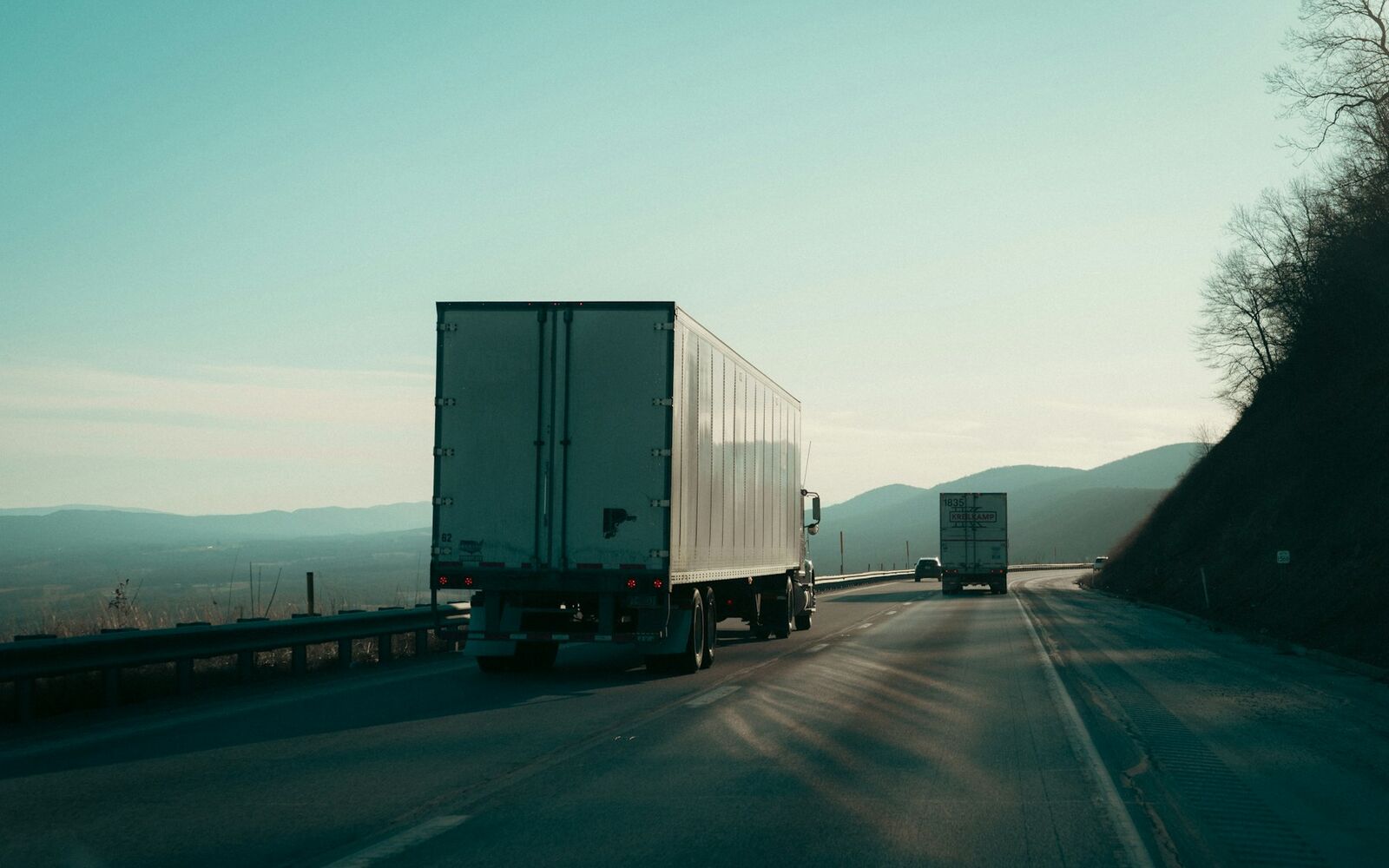
Road transit times to Europe are one of the most critical variables for exporters, shaping delivery commitments, stock planning and customer satisfaction. How many days a truck takes from Turkey to Europe depends on the departure point, the destination country, border crossings, driving-time regulations and the season. Distance alone is a poor guide, because the real figure is usually set by factors unrelated to driving. Drawing on our regular departures from Gebze to every corner of the continent, Özd Global explains in this guide how road transit times to Europe are shaped country by country and how they can be shortened.

The Core Factors Behind Transit Time
The time a truck needs to travel from Turkey to Europe is the sum of several components:
- Driving time: Under European driving and rest rules, a driver may drive at most 9 hours a day (10 hours twice a week) and must take a break every 4.5 hours. That equates to roughly 600-700 kilometres per day.
- Border crossings: Exit formalities at Kapikule, Hamzabeyli and Ipsala, plus queues at the Bulgarian, Serbian and Hungarian borders, can add hours and occasionally days.
- Driving bans: Germany, Austria, France, Italy and many other countries ban heavy goods vehicles on Sundays and public holidays.
- Weather: Snow can close Alpine passes and Balkan roads in winter.
- Delivery appointments: The consignee's unloading hours and slot system determine how long the truck waits after arrival.
Road Transit Times to Europe by Country
The table below shows typical planning times for a single-driver full truckload departing from Gebze or Istanbul. Add 2-4 days for groupage shipments because of transhipment.
| Destination | Example City | Distance (approx.) | Typical Transit |
|---|---|---|---|
| Bulgaria | Sofia | 900 km | 2-3 days |
| Romania | Bucharest | 1,100 km | 2-3 days |
| Greece | Athens | 1,100 km | 2-3 days |
| Hungary | Budapest | 1,500 km | 3-4 days |
| Austria | Vienna | 1,800 km | 3-5 days |
| Poland | Warsaw | 2,100 km | 4-5 days |
| Germany | Munich / Frankfurt | 2,100-2,500 km | 4-6 days |
| Italy | Milan | 2,200 km | 4-6 days |
| Netherlands / Belgium | Rotterdam / Antwerp | 2,900 km | 5-7 days |
| France | Paris | 3,000 km | 5-7 days |
| Spain | Barcelona / Madrid | 3,400-4,000 km | 6-9 days |
| United Kingdom | London | 3,300 km | 6-8 days |
These figures shift with border and weather conditions, and exact dates should be confirmed for each shipment. For current planning, visit our road freight page.
Tip: Plan backwards from the delivery date. Because of Sunday driving bans and public holidays, a truck leaving on Friday sometimes arrives on the same day as one that left on Wednesday. Checking the calendar before choosing a loading day can save you a week.
The Impact of Border Crossings
Most trucks leaving Turkey for Europe exit at Kapikule. In busy periods, waiting there can stretch from a few hours to a full day. Kalotina (Bulgaria-Serbia) and Horgoš (Serbia-Hungary) are further congestion points, while Hamzabeyli and Ipsala serve as alternatives to Kapikule.
Complete and accurate paperwork is the biggest determinant of time lost at borders. Mismatches between the T1 transit declaration, the CMR, the A.TR and the invoice can hold a truck for hours. Our customs clearance team verifies every document before departure.
Ways to Shorten Transit Time
Double-Crew Operation
With two drivers, the vehicle keeps moving almost continuously and daily distance approaches 1,200 kilometres. Germany can be reached in 3 days instead of 4-6, and France in 4 days instead of 5-7. This is widely used for automotive and production-line shipments that demand express delivery.
Skipping Borders with Ro-Ro
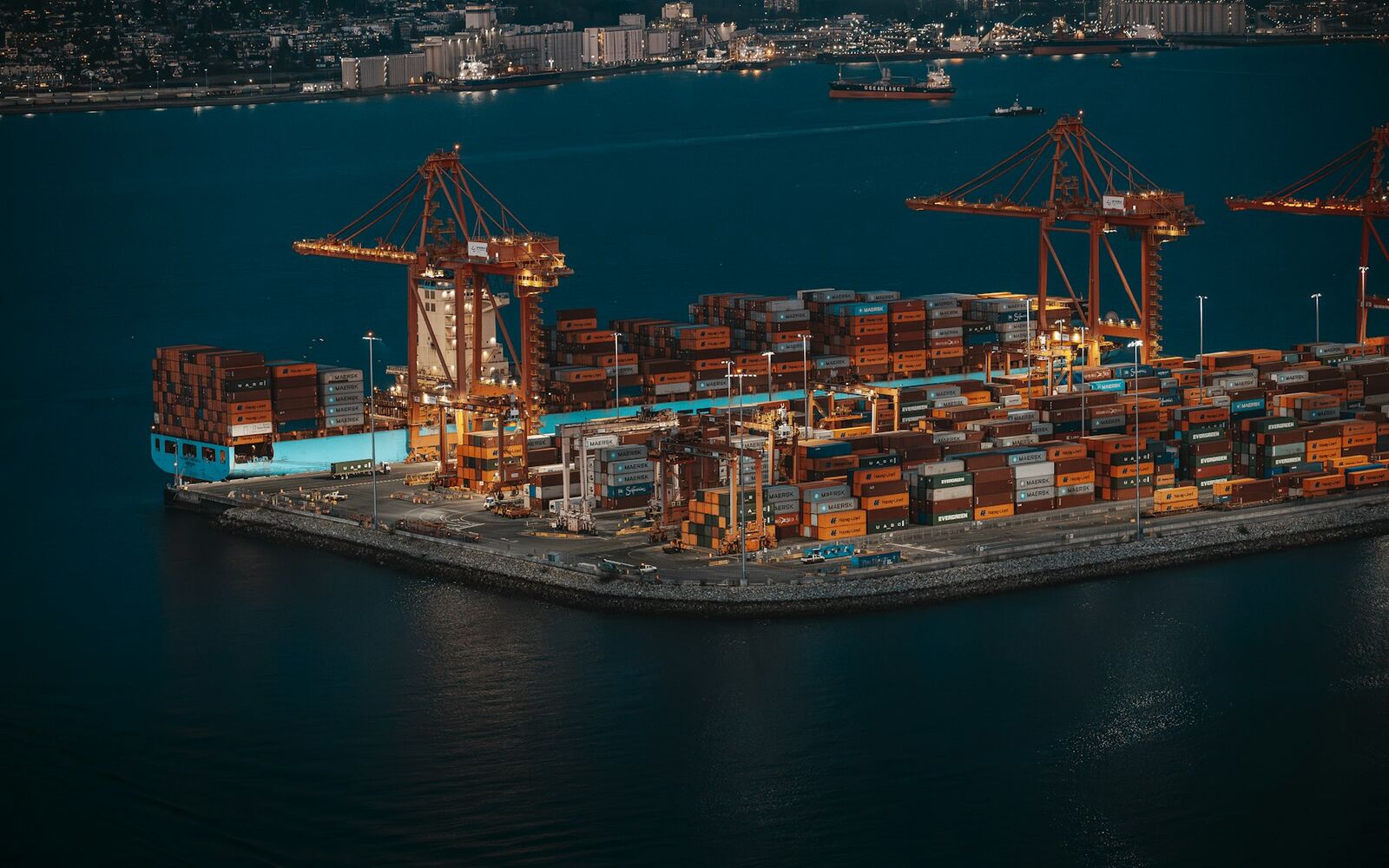
Ro-Ro vessels from Ambarli or Cesme to Trieste take the Balkan borders out of the equation. The sea leg takes 2-3 days, but the driver spends it resting and continues from Italy with full driving hours available. For southern Europe the total time is similar to the overland option, while predictability is higher.
Fixed Weekly Departures
For groupage, the biggest time loss is waiting for the vehicle to fill. Özd Global's groupage lines to Europe leave on fixed days every week, so cargo departs without delay. Consignments consolidated at our warehousing and distribution facility in Gebze are loaded onto scheduled trucks.
Early Document Preparation
Closing the export declaration and the A.TR certificate before loading day prevents the truck from waiting at customs. Having the consignee's EORI number and delivery slot booked in advance also eliminates delays on arrival.
Seasonal Variations
Road transit times to Europe do not stay constant through the year:
- Summer (July-August): Holiday traffic and passenger congestion at Balkan borders extend transit; factory shutdowns in France and Italy complicate deliveries.
- Autumn (September-November): Peak export season; trucks are harder to find and rates rise, but roads are relatively clear.
- Winter (December-February): Snow and ice can impose chain requirements and closures on Alpine passes, while year-end holidays add driving bans across Europe.
- Spring (March-June): Usually the most stable period, with low delay risk apart from the Easter holidays.
Frequently Asked Questions
How many days does a truck take from Turkey to Germany?
A single-driver full truckload usually reaches Munich or Frankfurt in 4-6 days. With a double crew this can drop to 3 days. Groupage shipments should be planned at 6-8 days because of transhipment.
Why do road transit times to Europe vary so much for similar distances?
Because driving-hour limits, border queues, weekend driving bans and delivery appointments make up a large share of the total. Two countries at the same distance but with a different number of borders or a different holiday calendar can show markedly different arrival times.
Is guaranteed transit time possible?
Double-crew express services make the delivery date highly predictable, but external factors such as borders and weather mean an absolute guarantee cannot be given. Özd Global provides a realistic date window for every shipment and reports deviations immediately through vehicle tracking.
To learn the realistic transit time and the fastest route for your next shipment to Europe, reach us via our contact page or call +90 551 462 41 34. The Özd Global planning team will build the most efficient solution around your delivery date.