

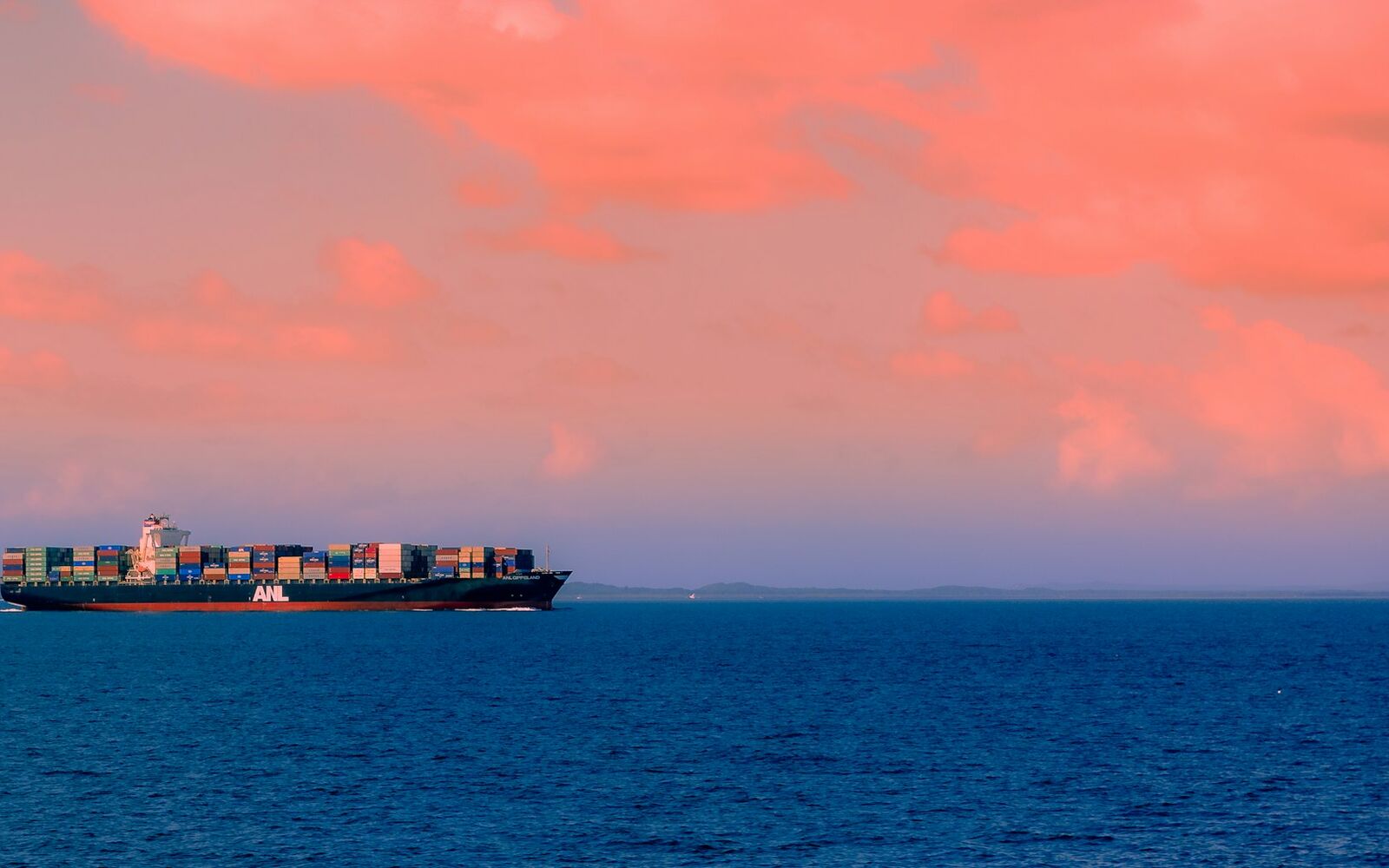
For wheeled cargo, RoRo shipping is the most practical and fastest way to move goods by sea. RoRo (Roll-on/Roll-off) is a mode in which vehicles, trailers, construction machinery and cargo secured to wheeled platforms (mafi trailers) are driven on and off the vessel on their own wheels. Because no cranes are involved, handling is fast, damage risk is low and port dwell times are short. In Türkiye, automotive exports, trailer traffic to Europe and vehicle shipments to North Africa and the Middle East rely heavily on RoRo vessels. In this article, Özd Global explains how RoRo shipping works, which cargo it suits, the main routes from Türkiye, cost elements and the operational steps involved.

What Is RoRo Shipping and How Does It Work?
RoRo vessels are designed for wheeled cargo, with ramp access and multiple decks. Units are driven up the ramp at the port, secured on deck with chains and tension straps, and driven off the same way at the destination. The process requires far less equipment and labour than container or breakbulk loading.
Main Types of RoRo Vessel
- Pure Car Carrier (PCC) and PCTC: Multi-deck vessels carrying only cars and light commercial vehicles.
- ConRo: Hybrid ships carrying both containers and RoRo cargo.
- RoPax: Ferry-type vessels carrying trailers and passengers; common on short-sea European routes.
- Heavy RoRo: Vessels with reinforced ramps for construction machinery, rail wagons and large project components.
Which Cargo Moves by RoRo?
| Cargo type | Examples | Note |
|---|---|---|
| Cars and light commercials | Passenger cars, vans, minibuses | On PCC/PCTC vessels |
| Heavy vehicles | Trucks, tractor units, buses | Driven on under their own power |
| Trailers and semi-trailers | Curtainsider, reefer, container chassis | Accompanied or unaccompanied |
| Construction machinery | Excavators, forklifts, cranes | Special measures for tracked units |
| Static cargo on mafi / roll trailers | Machinery, transformers, yachts | Non-wheeled cargo adapted for RoRo |
Cargo without wheels can be secured to low-bed mafi trailers and loaded on a RoRo vessel. This method is frequently used under project logistics for heavy and oversized cargo that does not fit in a container.
Main RoRo Routes from Türkiye
Thanks to its geography, Türkiye has regular RoRo connections to Europe, North Africa and the Middle East:
- Türkiye - Italy: From Marmara and Aegean ports to Trieste and other Adriatic ports; the backbone of trailer traffic to Europe. Transit time is usually 2-4 days.
- Türkiye - France / Spain: Unaccompanied trailer services to Western Europe.
- Türkiye - North Africa: Vehicle and trailer shipments to Egypt, Libya, Tunisia and Algeria.
- Türkiye - Black Sea: Services to Romania, Ukraine and Georgia.
- Türkiye - Middle East: Connections via Lebanon, Israel and Egypt towards the Gulf.
Route structure and frequency vary by carrier and season; the RoRo terminals in the Kocaeli and Yalova area are among the busiest departure points towards Europe.
RoRo or Road? The Unaccompanied Trailer Advantage
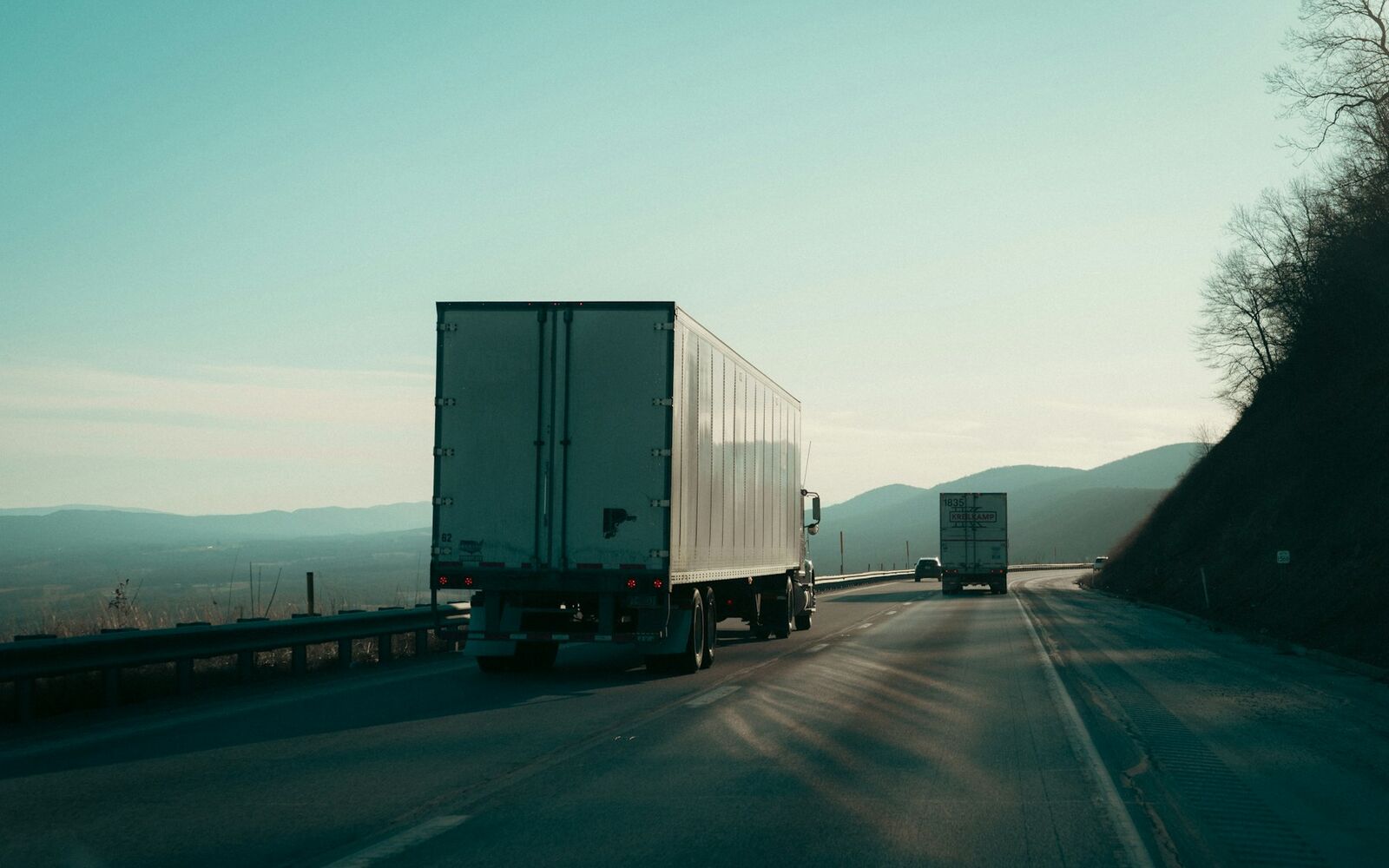
For exports to Europe, the choice between road and RoRo depends on cost, time and driver availability. With unaccompanied RoRo, the trailer is dropped at the port in Türkiye and collected by another tractor unit in Italy. This approach:
- Eliminates the days a driver spends on the Balkan route and at border queues
- Reduces the need for transit permits
- Lowers fuel and motorway costs
- Makes compliance with driver working-time rules easier
On the other hand, dependence on vessel schedules and port charges must be weighed. Our road freight and sea freight teams compare total cost and time for both options on every shipment.
Tip: Check tyre pressure, braking systems and lashing points before handing a trailer over for RoRo. Defects found during securing on board can lead to the unit being refused and the sailing missed.
Cost Elements in RoRo Shipping
RoRo freight is usually priced per vehicle or trailer, or per lane metre (the length of deck the unit occupies). The main factors influencing the price are:
- Length, width and weight of the unit
- Route and transit time
- Accompanied or unaccompanied transport
- Season and vessel utilisation
- Port terminal fees and lashing charges
- Fuel surcharges
Since exact amounts change by route and period, our sea freight team prepares a current quote for every shipment. Özd Global negotiates contract rates and space guarantees with carriers for customers with regular trailer volumes.
Operational Steps and Documents
- Booking and submission of vehicle/trailer details (plate, chassis number, dimensions, weight)
- Export declaration and customs formalities
- Delivery of the unit to the port, inspection and photographic condition report
- Loading and lashing on board
- Customs clearance and delivery at the destination port
Required documents include the commercial invoice, packing list, export declaration, vehicle registration or chassis documents, CMR (for trailers) and a certificate of origin where applicable. Özd Global prepares all of these through its customs clearance service.
Frequently Asked Questions
What is the difference between RoRo shipping and container shipping?
In RoRo, cargo is driven onto the vessel on its own wheels or on a mafi trailer; in container shipping, cargo is packed into a sealed box and lifted on board by crane. RoRo is faster and more practical for vehicles and trailers, while containers are more common for general cargo.
Is unaccompanied trailer shipping safe?
Yes. Trailers are lashed on board by professional crews, and handover reports with photographs are kept at both ends. Cargo insurance is still recommended.
Can used vehicles be exported by RoRo?
Yes, both private and commercial used vehicles can be shipped on RoRo vessels. Age and emission restrictions and import rules in the destination country should be checked in advance.
RoRo shipping offers one of the best balances of speed, safety and cost for vehicle and trailer shipments. Based in Gebze, Özd Global manages your RoRo operations from the Kocaeli and Marmara ports to Europe, North Africa and the Middle East, from booking through to delivery. Visit our contact page for a quote or call +90 551 462 41 34.