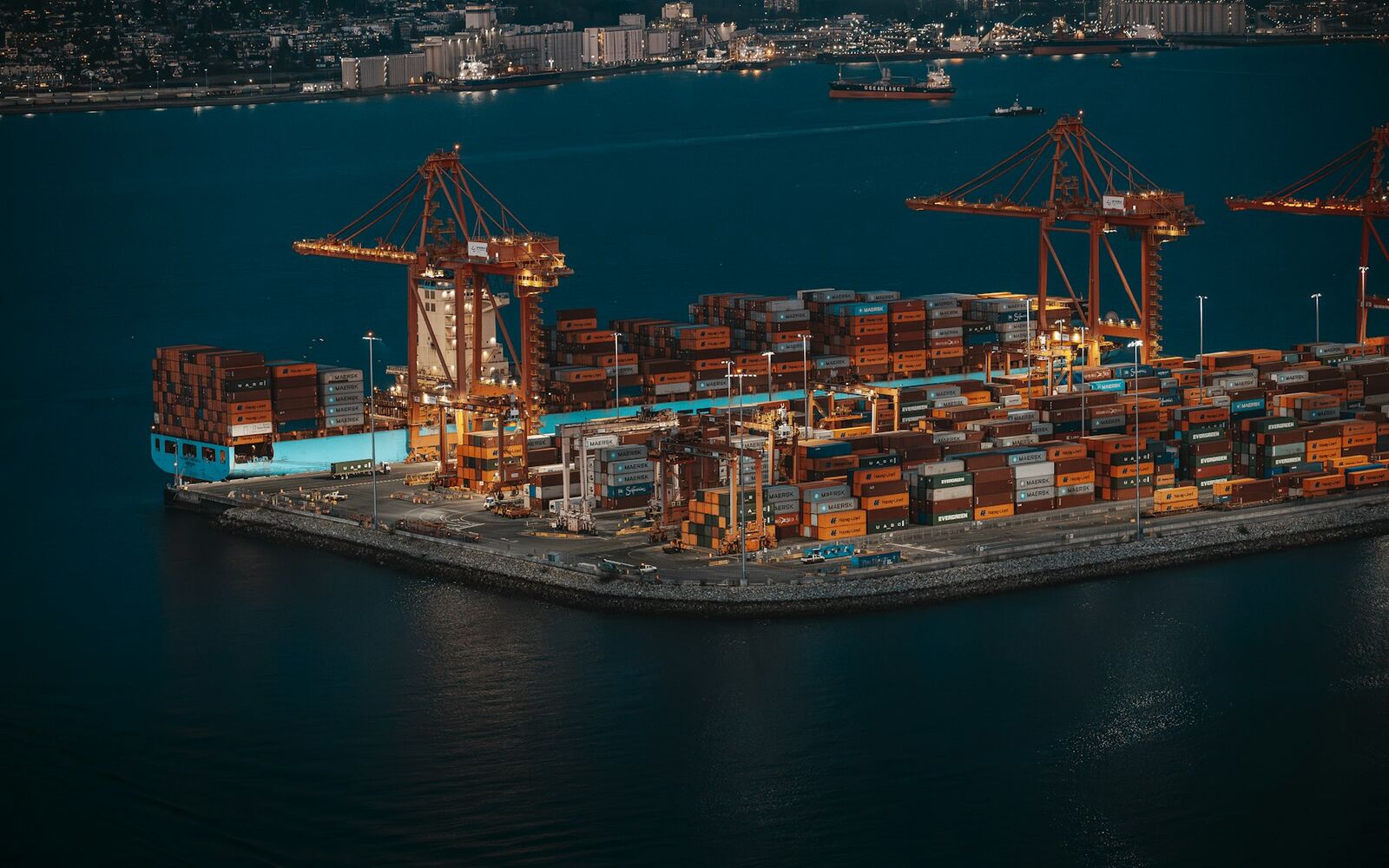
An international shipment rarely travels on a single mode: a truck takes the goods from the factory to the port, a vessel carries them across the sea, and another truck or train delivers them from the destination port to the warehouse. When each link in that chain has its own contract and its own responsible party, the coordination burden and the risk stay with the exporter. That is where the answer to "what is multimodal transport" begins: combining several modes under one contract, one document and one responsible operator. Özd Global, based in Gebze, applies this model every day on shipments from Europe to Central Asia and from Africa to the Far East. This guide explains the definition, the difference from intermodal and combined transport, the benefits, the documents involved and the types of cargo for which it makes the most sense.

What Is Multimodal Transport?
Multimodal transport is the carriage of goods from origin to destination using at least two different modes (road, sea, air or rail) under a single transport contract. The multimodal transport operator (MTO) that signs this contract is responsible to the customer for the entire journey. The operator manages the agreements with sub-carriers, the transfers between modes and the document flow, while the customer deals with one counterpart only.
How it differs from intermodal and combined transport
These three terms are often confused:
- Intermodal transport: The goods travel in the same transport unit (usually a container or swap body) across different modes without being handled. Each mode may have a separate contract.
- Combined transport: A subset of intermodal in which the road legs are kept as short as possible and the main distance is covered by rail or sea.
- Multimodal transport: The emphasis is on the contractual structure; modes and transport units may change, but responsibility rests with a single operator.
In practice, modern multimodal operations mostly use intermodal equipment, meaning the container is transferred between modes without being opened. The answer to what is multimodal transport therefore covers both the contractual and the operational dimension.
Benefits of Multimodal Transport
| Benefit | Impact for the customer |
|---|---|
| One contract, one counterpart | Less coordination and communication overhead |
| End-to-end responsibility | A clear party to turn to for damage or delay |
| Cost optimisation | The most economical mode is chosen for each leg |
| Lower emissions | Sea and rail carry the long-distance legs |
| One document, one invoice | Simpler accounting and customs processes |
| Reach | Door-to-door access to inland regions without ports |
For exporters asking what is multimodal transport good for, these advantages are most pronounced on long-distance, multi-transfer and regular shipments. We bring our road freight, sea freight and air freight services together under one plan to offer this model to our clients.
Typical Multimodal Set-Ups
The models most frequently used for shipments departing Gebze:
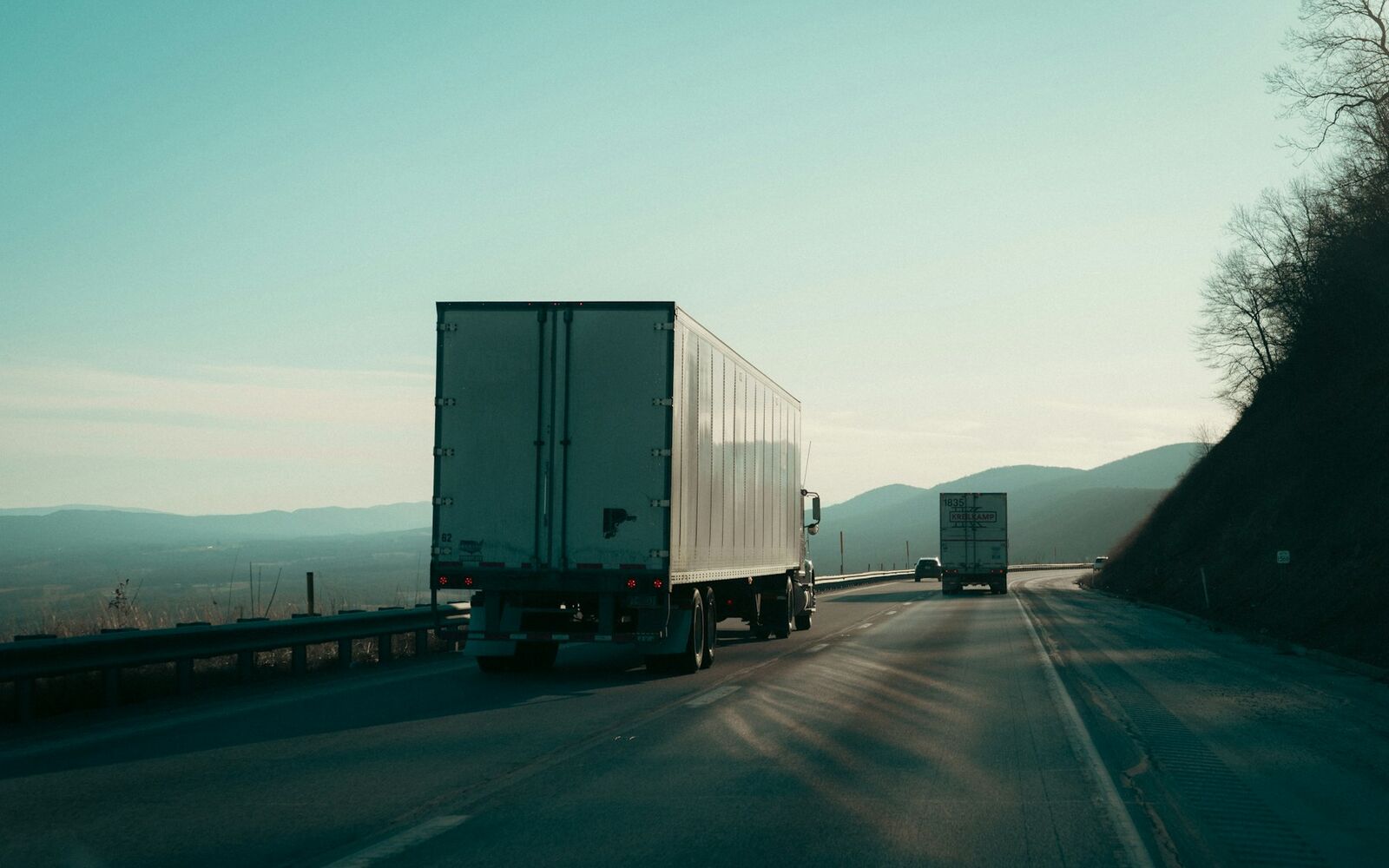
- Road + sea + road: Truck from factory to port, intercontinental vessel, truck from destination port to consignee. The standard arrangement for the Far East, Africa and the Americas.
- Road + Ro-Ro + road: The trailer sails from Turkey to Italy and continues by road into Western Europe.
- Road + rail + ferry + rail: Across the Middle Corridor to Central Asia via the Baku-Tbilisi-Kars line and the Caspian crossing.
- Sea + air (sea-air): Vessel from the Far East to the Gulf, then aircraft to Europe; a balance between speed and cost.
- Road + air + road: Full door-to-door service for urgent cargo, including delivery to and from the airport.
Tip: When requesting a multimodal quotation, ask not only for the total price but also for the transit time of each leg and the free time at transfer points. Charges incurred while waiting at a transhipment port or terminal can significantly inflate the total cost of a poorly planned arrangement.
Documents and Liability Regime
The most common document in multimodal transport is the FIATA Multimodal Transport Bill of Lading (FBL) or a multimodal transport document issued by the operator. It confirms receipt of the goods, states the conditions of carriage and the place of delivery, and is accepted by banks in letter of credit transactions.
Liability follows a "network" system: if the leg on which the damage occurred is known, the international convention for that mode applies (CMR for road, the Hague-Visby Rules for sea, the Montreal Convention for air); if the location of the damage cannot be determined, the general limit stated in the document applies. Because these limits can fall below the real value of the goods, all-risk cargo insurance is strongly recommended for multimodal shipments.
On the customs side, transit documents (T1, TIR carnet) and each country's import declaration are managed separately; the Özd Global customs clearance team takes on this flow as the operator.
When Should You Choose Multimodal?
- Intercontinental shipments and distances over 2,000 kilometres
- Cargo bound for inland regions without a port or airport
- Shipments transiting several countries
- Regular, plannable export lanes
- Long-distance cargo of companies with sustainability targets
Conversely, for short-distance, single-country or extremely urgent cargo, a single-mode solution may be more practical. Özd Global presents single-mode and multimodal options side by side for every shipment.
Frequently Asked Questions
Who do I contact if goods are damaged in multimodal transport? Your single counterpart is the multimodal transport operator. The operator handles the claim and, where necessary, recovers from the sub-carrier; you do not have to deal with several companies.
Is multimodal transport more expensive than single-mode transport? Usually not. Because the most suitable mode is chosen for each leg, the total cost is often lower, provided transfer points are planned well. Rates vary by route and period.
Is the container opened at transfer points? When intermodal equipment is used, the container is sealed at origin and is not opened until arrival. This is one of the most important factors in reducing the risk of damage and loss.
Multimodal transport makes complex international shipments manageable under one contract and one responsible party. If you want to go beyond "what is multimodal transport" and plan the best arrangement for your own cargo, reach us through our contact page or call the Özd Global team on +90 551 462 41 34, and let us deliver an end-to-end solution from Gebze to any point in the world.