

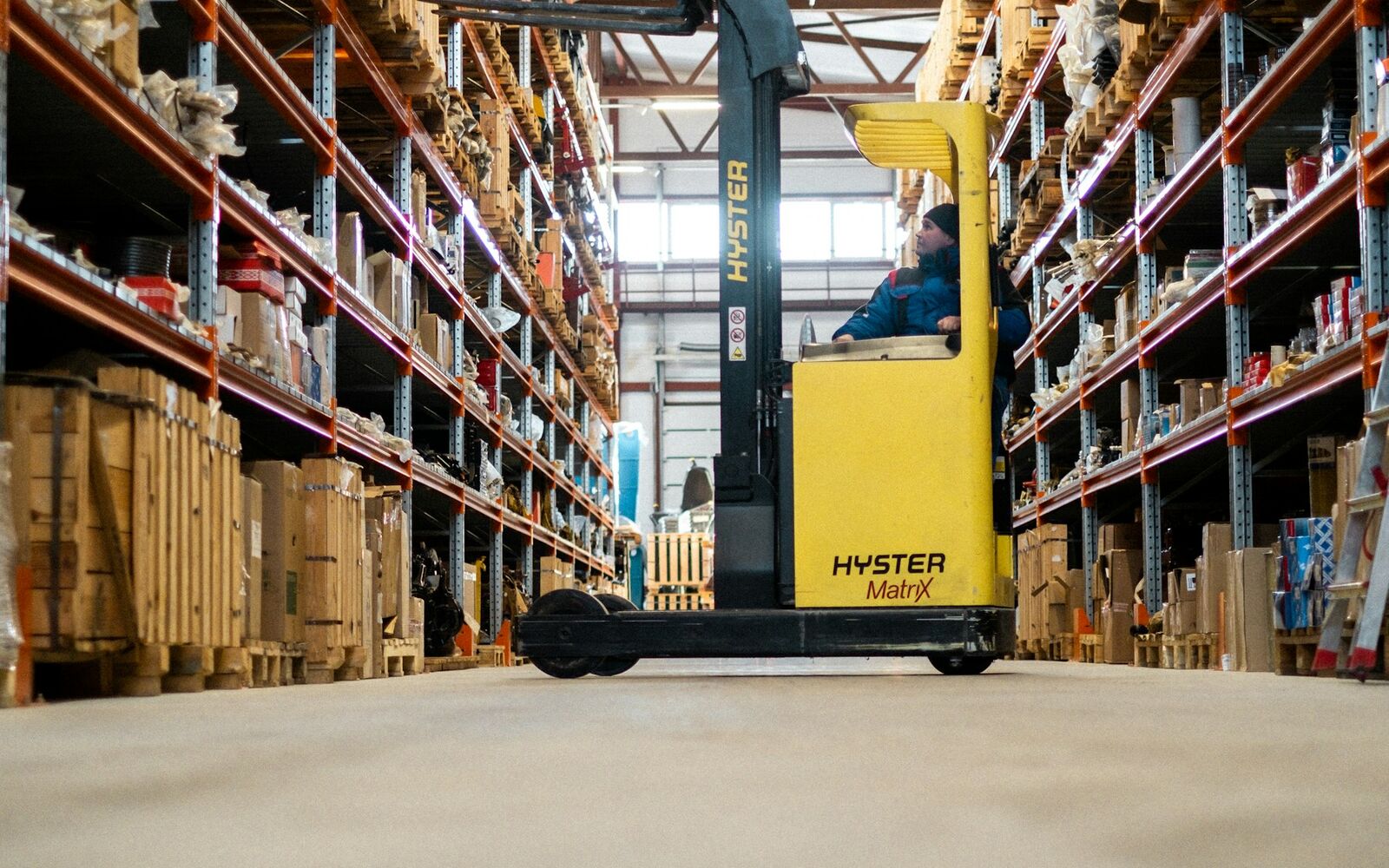
Before your shipment reaches its destination, it changes hands several times: forklift, conveyor, pallet build-up, aircraft hold and break-down at arrival. At every link in that chain, the only thing protecting the goods is the packaging. Air cargo packaging rules matter not just for preventing damage but also for airline acceptance, security screening and customs inspection. A poorly packed consignment can be refused at the acceptance desk, miss its flight or end up as a damage claim. In this guide, Özd Global shares the air cargo packaging rules we apply every day at our Gebze warehouse, from choosing the outer box to labelling the pallet.

What Makes Air Cargo Packaging Different?
In road and sea freight, cargo mostly stays put inside a container or curtain-sided trailer. In air freight, goods are built onto ULDs (Unit Load Devices) of various shapes depending on the aircraft, or travel as loose cargo in the lower hold of passenger aircraft. Packaging therefore has to cope with three things:
- Pressure and temperature changes: Holds are pressurised, but temperatures shift during flight; liquids and pressurised items need appropriate seals.
- Intensive handling: Each piece is moved at least four or five times, so corners, edges and bases take impacts.
- Volume efficiency: Air freight is charged on volumetric weight, so empty space inside a box is money wasted.
Choosing the Outer Packaging: Boxes, Crates and Pallets
Outer packaging is selected according to the weight, fragility and value of the product. The general rule: the packaging must carry the product's weight both under stacking and during a drop.
| Product type | Recommended outer packaging | Key point |
|---|---|---|
| Textiles, light consumer goods | Double-wall corrugated box | Fill all voids completely |
| Electronics, sensitive devices | Foam-fitted box or wooden crate | Use antistatic inner packaging |
| Machine parts, metal | ISPM 15 treated wooden crate or case | Bolt or brace to the base |
| Liquids and chemical samples | UN-approved combination packaging | Absorbent material and leak-proof inner container |
| Spare parts, mixed cargo | Palletised with stretch film and corner boards | No overhang beyond the pallet edge |
For wooden packaging, the ISPM 15 heat-treatment stamp is mandatory for customs acceptance in many countries. Unstamped pallets or crates can be destroyed or returned at destination.
Inner Packaging and Cushioning
Inner packaging stops the product moving inside the outer box. Bubble wrap, foam sheets, air pillows or paper fill all work. The test is simple: shake the box and nothing should be heard moving. For fragile items, double boxing adds a second layer that absorbs external shocks.
Palletising and Securing the Load
Palletising is where air cargo packaging rules are broken most often. For a correctly built pallet:
- Heavy boxes go at the bottom, lighter ones on top.
- Nothing should overhang the pallet edge; overhang causes damage and may not fit the ULD.
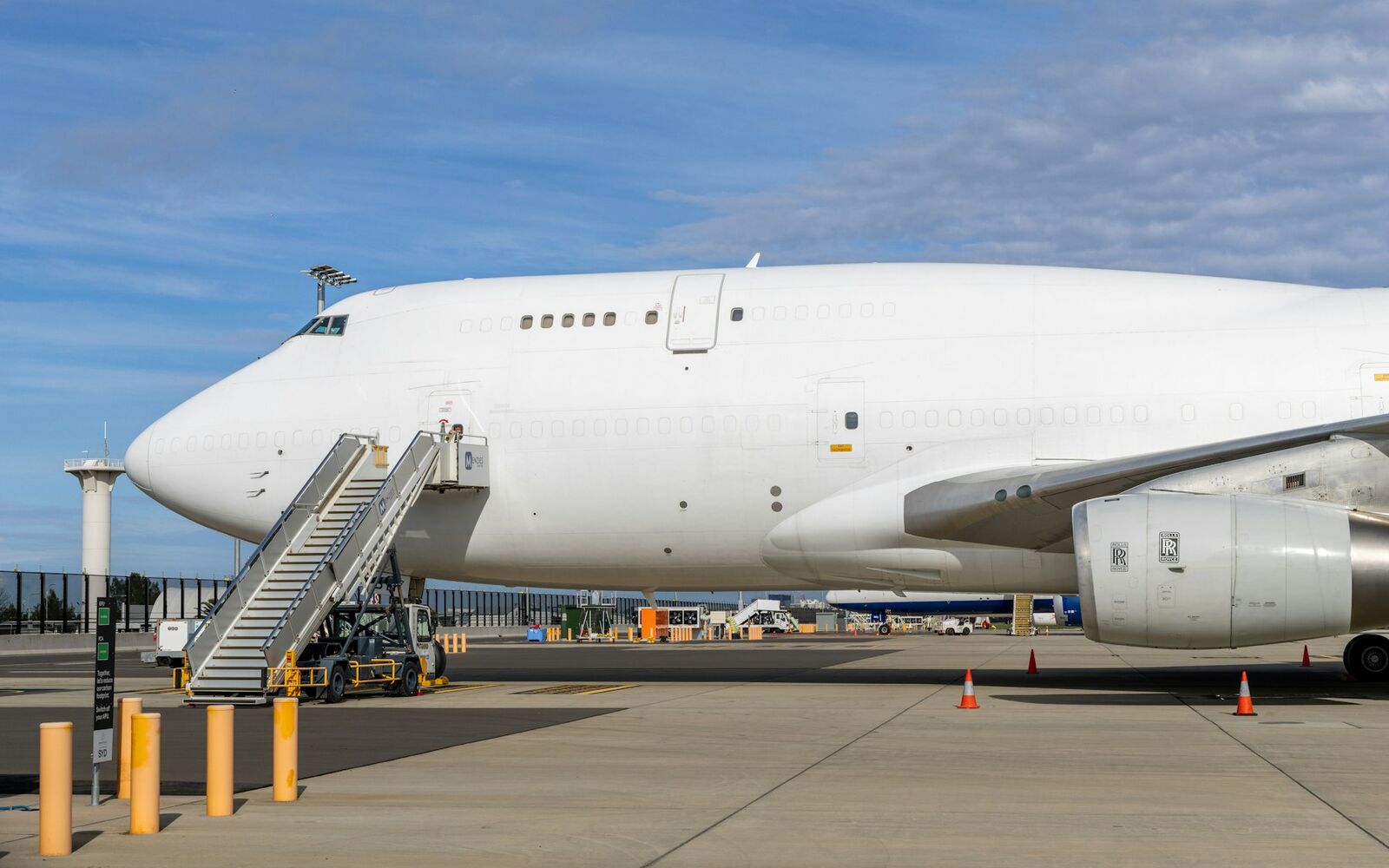
- Pallet height must suit the aircraft. The lower hold of narrow-body passenger aircraft typically limits height to around 160 cm; wide-body aircraft accept taller pallets.
- Stretch film should be wrapped at least four or five turns and anchored to the pallet base.
- Corner boards and strapping prevent crushing of the lower boxes under stacking.
Euro pallets (80x120 cm) and industrial pallets (100x120 cm) are the most common sizes in air freight. Choose with both the destination country's wood regulations and ULD dimensions in mind.
Labelling and Marking Rules
A well-packed but badly labelled shipment will still be refused. Every box and pallet should carry:
- Shipper and consignee name, address and phone number
- Air waybill (AWB) number
- Piece number and total pieces (for example 3/12)
- Gross weight and outer dimensions
- Handling marks: "This way up", "Fragile", "Keep dry", "Do not stack"
- For dangerous goods: UN number, hazard class label and the proper shipper's declaration
Labels must be legible, water-resistant and placed on at least two faces of each piece. Never stick new labels over old ones; remove all previous markings completely.
Tip: Before you finish palletising, photograph the load from three sides and compare the measured dimensions with the label. A dimension error changes the volumetric weight, and the photos are your strongest evidence in any damage claim.
Special Cargo Categories
Dangerous Goods
Lithium batteries, aerosols, perfume, paint and many chemicals are classed as dangerous goods. Their packaging, labelling and paperwork follow international dangerous goods regulations. Misdeclaration endangers flight safety and attracts serious penalties, so always work with trained personnel.
Temperature-Controlled Goods
Pharmaceuticals, food and biological samples travel in insulated boxes with gel packs or dry ice. Dry ice itself counts as dangerous goods and its quantity must be declared.
High-Value Goods
For electronics, jewellery and documents, the outer packaging should not reveal the brand or contents. Plain packaging reduces the risk of theft.
How Packaging Affects Your Freight Bill
Air freight is charged on whichever is greater: actual weight or volumetric weight, usually calculated as length x width x height (cm) / 6000. An oversized box therefore increases your bill directly. Our air freight team can repack and optimise your consignment at our Gebze warehousing and distribution centre, while our customs clearance unit checks that packaging matches the declaration. For packaging advice from the Özd Global team, reach us via our contact page or call +90 551 462 41 34.
Frequently Asked Questions
Do I have to use wooden pallets for air cargo? No. Plastic pallets and pressed wood-fibre pallets are also acceptable. If you use wood, it must carry the ISPM 15 stamp. Many exporters prefer plastic because it needs no heat treatment.
Is writing "Fragile" on the box enough protection? No. Handling marks alert staff but do not stop impacts. Protection comes from cushioning and the strength of the outer packaging; the label is only a supplement.
Can the airline reject my packaging? Yes. Damaged, damp, crushed or poorly secured consignments can be refused at acceptance, which means repacking and possibly a missed flight. Özd Global inspects packaging before tender to eliminate that risk.
Good packaging is as important as speed in air freight. Özd Global supports you with air cargo packaging rules at every step, from preparing the goods to handing them over at the aircraft. Send us your shipment details and we will build the right packaging and transport plan together.