

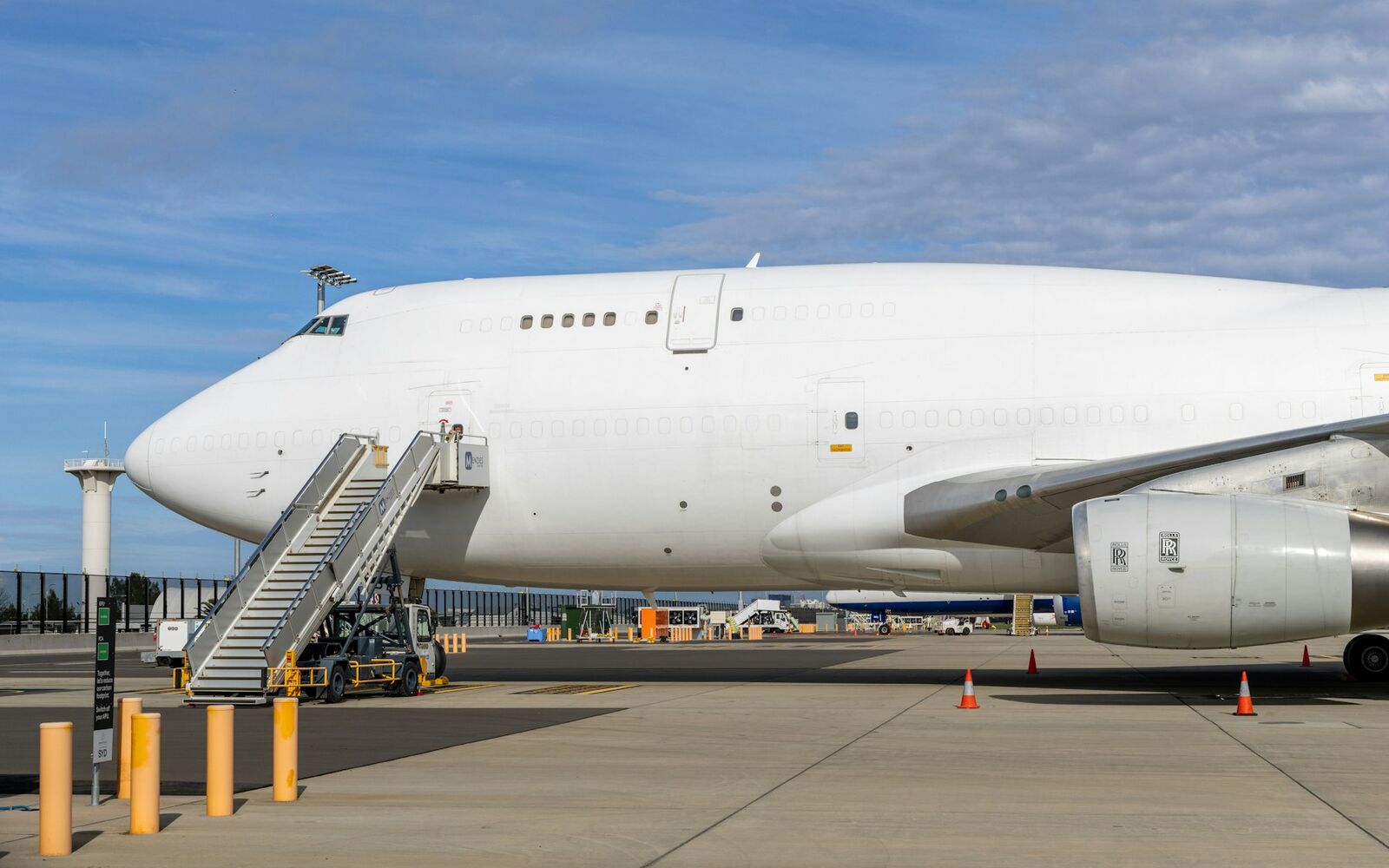
When time matters more than anything else, scheduled flights are not always enough. A spare part that has stopped a production line, urgent medical supplies, stage equipment for a live event, or hundreds of tonnes of project cargo that must move in one go: these are the moments when cargo charter flights earn their keep. A charter flight is an aircraft reserved exclusively for your shipment, with routing and departure built around your needs rather than an airline's timetable. This guide explains when cargo charter flights make sense, which aircraft are used, what drives the price and how an operation unfolds. At Özd Global, our Gebze-based team manages scheduled and charter air freight from first call to final delivery.

What Is a Cargo Charter Flight?
With scheduled air freight, your goods take whatever capacity is available on aircraft departing at fixed times. With a charter, the whole aircraft (full charter) or a defined share of it (part charter) is reserved for you, and origin, destination, timing and loading method are dictated by the cargo. The result is control and speed: no transhipments, no capacity shortages, and oversized consignments travel in a single movement.
Full Charter vs. Part Charter
- Full charter: The entire aircraft is allocated to one customer; ideal for project cargo and large consignments.
- Part charter: A portion is reserved for you and the rest is shared; lower cost, slightly less flexibility.
When Are Cargo Charter Flights the Right Choice?
Not every urgent shipment needs a charter, but in some scenarios cargo charter flights are clearly the best option:
- Production stoppages: A mould, engine or control unit holding up a factory line costs money every hour.
- Out-of-gauge dimensions: Turbine components, aircraft engines and machinery that will not fit scheduled aircraft doors.
- Peak-season capacity crunches: Holiday periods and global disruptions make scheduled space scarce.
- Humanitarian logistics: Medical supplies, tents and generators that must arrive fast.
- Live animals and sensitive cargo: Shipments where temperature and timing are critical.
- Event logistics: Concert, trade-fair and sports equipment due by a fixed date.
Aircraft Types and Capacities
Choosing the right aircraft shapes both the cost and the success of the operation. The table below summarises the aircraft classes commonly used in the charter market; exact figures depend on configuration and routing.
| Aircraft class | Example types | Approximate payload | Typical use |
|---|---|---|---|
| Small turboprop | ATR 72F, Saab 340F | 5-9 tonnes | Regional urgent parts |
| Narrow-body jet | B737F, A321F | 15-25 tonnes | Europe and Middle East lanes |
| Wide-body jet | B767F, A330F | 45-65 tonnes | Intercontinental large consignments |
| Heavy freighter | B747F, B777F | 90-110 tonnes | Project and high-volume cargo |
| Outsize freighters | An-124, Il-76 | 50-120 tonnes | Oversized and heavy machinery |
Once volume, weight and piece dimensions are known, the right aircraft can be identified. Light but bulky cargo is limited by cubic capacity, dense cargo by floor loading.
What Drives the Cost of Cargo Charter Flights?
Charter prices are not tied to a fixed tariff; every flight is priced individually. The main cost drivers are:
- Aircraft type, age and current position (whether an empty positioning flight is needed)
- Route length, fuel prices and overflight permits
- Airport handling, parking and slot fees
- Loading and unloading equipment (high loaders, cranes, special pallets)
- Market demand and how far in advance the flight is booked
- Special requirements such as dangerous goods, live animals or temperature control
Prices for the same lane vary considerably with season and availability, so a firm figure requires a request with full cargo details. Özd Global compares offers from several operators to find the option that fits your budget.
How the Operation Unfolds, Step by Step
A well-planned charter moves surprisingly quickly. The standard flow looks like this:
- Request and analysis: Packing list, dimensions, weights, origin, destination and target timing are collected.
- Aircraft and routing: Options are built around suitable aircraft types, positioning flights and slot availability.
- Quotation and approval: Price, payment terms and cancellation conditions are agreed and the contract is signed.
- Permits: Overflight and landing permits, plus any dangerous goods approvals, are obtained.
- Ground operation: Cargo is trucked to the airport, palletised and cleared through customs.
- Flight and delivery: The flight is tracked, and unloading and final delivery are organised at destination.
Our air freight team handles the flight side while our customs clearance team runs declarations in parallel. For oversized machinery, our project logistics unit plans the road legs on both ends.
Tip: When you send a charter request, prepare a piece-by-piece list of dimensions and weights. Quotes built on estimates lead to surprises on loading day, and the most expensive mistake in this business is cargo that does not fit the aircraft.
Points to Watch When Planning a Charter
- Airport choice: The nearest airport is not always the best; runway length and cargo infrastructure matter.
- Cancellation terms: Know the penalties for cancelling or shifting departure before you sign.
- Insurance: Arrange comprehensive cargo insurance for high-value shipments.
- Documents: Invoice, packing list, certificate of origin and any licences must be ready before departure.
- Destination customs: A shipment stuck at customs wipes out the charter advantage, so brief the receiving agent early.
When your charter requirement is clear, reach the Özd Global team through our contact page or call +90 551 462 41 34.
Frequently Asked Questions
How quickly can a cargo charter flight be arranged? It depends on aircraft availability and permits, but on European and Middle Eastern lanes departure within 24-48 hours is often achievable. Intercontinental routes and lengthy permit procedures can add a few days.
Is it worth chartering an aircraft for a small shipment? For a few hundred kilograms of urgent parts, part charter or an on-board courier is usually more economical. A full charter becomes attractive as the volume grows or when no scheduled option exists at all.
Does customs work differently on a charter flight? The regulations are the same; the difference is that everything runs on a much tighter timeline aligned with the flight. Declarations and documents therefore need to be prepared in step with the flight plan.
For your most time-critical shipments, the Özd Global team is ready to build the right aircraft, routing and operational plan with you. Tell us about your cargo charter flight requirement and we will prepare a tailored solution the same day.