

A container stuffing plan is one of the most decisive preparation steps in sea freight, because it determines cargo safety, cost per unit and how quickly the box can be unloaded at destination. A well-built container stuffing plan brings pallet layout, weight distribution, lashing method and document alignment together in a single framework. Working with exporters around Gebze and Kocaeli, Özd Global sees the same mistake repeatedly: loading improvised on the warehouse floor. This guide covers the core principles of a container stuffing plan, the order of work and the errors we most often help clients avoid.

Why a Container Stuffing Plan Matters So Much
Between origin and destination, a container is lifted by cranes, rolled by the ship and shaken on trucks. If the cargo is not positioned correctly, those forces make goods shift, pallets topple and packaging crush. Planning also makes full use of the container's volume, which lowers freight cost per unit.
A solid container stuffing plan answers these questions clearly:
- Which product goes in first, in what orientation, and in what sequence?
- Is the total gross weight below the container limit and the road limits along the route?
- Is the centre of gravity close to the middle of the box, or shifted to one side?
- Which void-fill material (airbags, foam, timber bracing) will close the gaps?
- In what order, and with what equipment, will the receiving party unload?
Information to Gather Before Planning
Product and Packaging Data
The dimensions, gross and net weight, stackability and packaging type of every line item form the basis of the plan. Confirm how many layers the cartons can bear, the pallet standard in use, and whether fragile or liquid goods are included.
Container Type and Internal Dimensions
20' standard, 40' standard and 40' high cube containers differ in internal volume and door opening. When calculating pallet count, consider door width, internal height and floor load distribution together. The table below summarises approximate figures for common container types; exact dimensions vary slightly by carrier and manufacturer.
| Container type | Approx. internal length | Approx. internal height | Euro pallets (single layer) | Typical max payload |
|---|---|---|---|---|
| 20' standard | 5.9 m | 2.39 m | 11 | 21–28 t |
| 40' standard | 12.0 m | 2.39 m | 24–25 | 26–28 t |
| 40' high cube | 12.0 m | 2.69 m | 24–25 | 26–28 t |
Route and Destination Constraints
Some countries enforce road axle-weight limits strictly; a container that sails without issue may be unable to leave the port by truck. That is why sea freight planning must include the inland leg at destination.
Container Stuffing Plan, Step by Step
- Build the cargo list. Record every item with its dimensions, weight and stacking properties in one table.
- Choose the container type. Is volume or weight the limiting factor? Light, bulky goods usually favour a 40' high cube; dense goods are often more efficient in a 20' standard.
- Design the weight distribution. Place heavy pallets on the floor and towards the centre, lighter ones on top and at the ends. For front-to-back and side-to-side balance, no more than about 60 percent of the weight should sit in any one half.
- Draw the layout. Even a simple sketch keeps the crew error-free; software adds 3D visualisation.
- Define lashing and void fill. Airbags, straps, corner protectors and timber chocks are selected according to the cargo.
- Sequence loading in reverse of unloading. The first item to come off should be nearest the doors.
- Verify with a checklist. Seal number, photo record and VGM (verified gross mass) declaration must be complete before the doors are closed.
Tip: Photograph every stage of loading. Three frames, taken with the doors open, at the halfway point and just before sealing, are your strongest evidence in any damage claim.
Common Mistakes and How to Fix Them
Shifted centre of gravity: Piling heavy goods near the doors makes the container tilt during crane lifts. The fix is to spread heavy items across the central section.
Leaving voids: Even a few centimetres between pallets allow friction and toppling during the voyage. Airbags or foam blocks eliminate this risk.
Incompatible mixed loads: Liquids above dry food, or odorous chemicals beside textiles, cause avoidable damage.
Documents that do not match the physical load: When the packing list carton count differs from the box, customs clearance can stall for days.
Integrating the Plan with Warehouse Operations
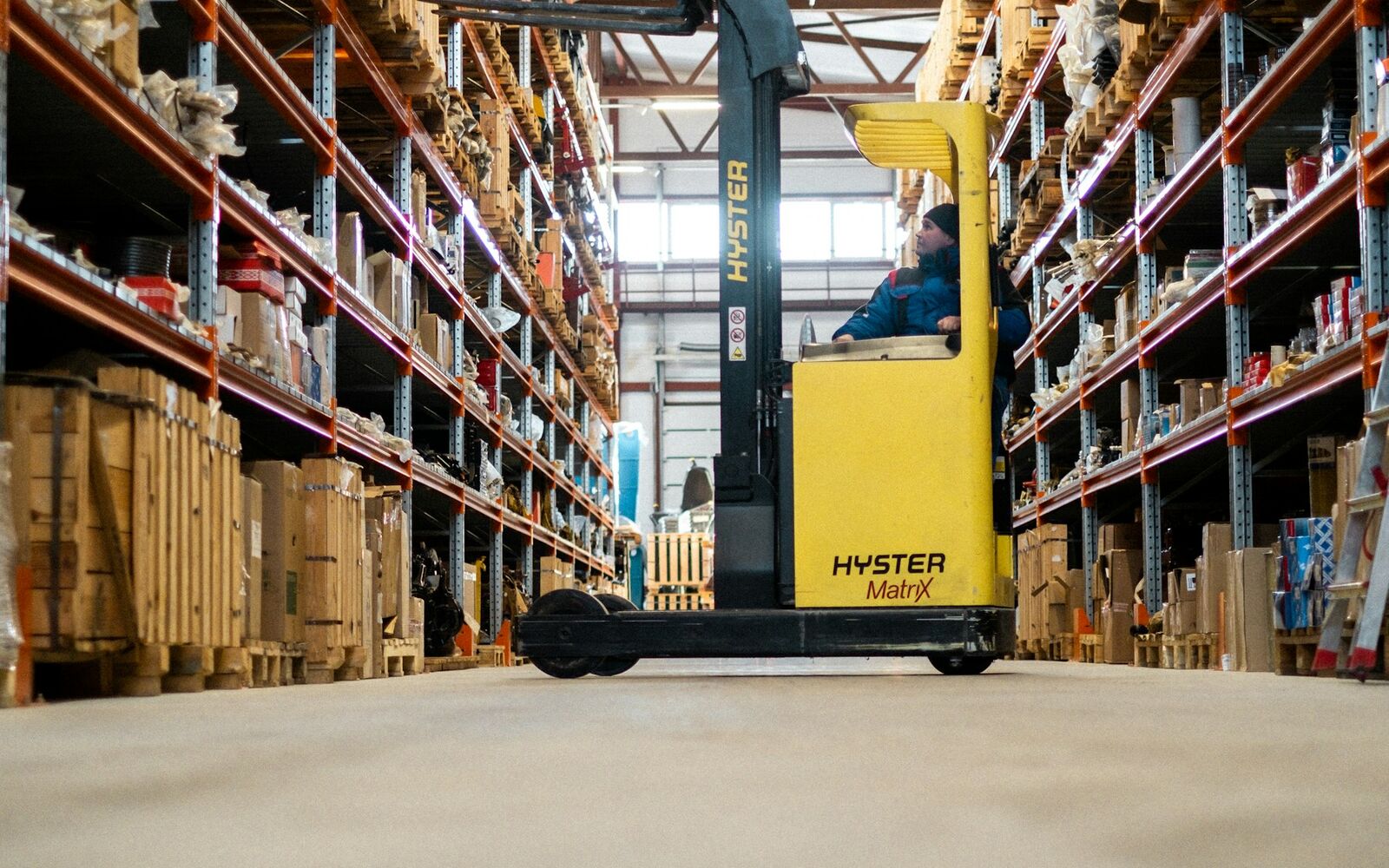
A container stuffing plan is not finished at the desk; it is executed in the warehouse. Forklift operators need the plan, pallets should be pre-labelled and the loading bay organised in sequence. Within Özd Global's warehousing and distribution services, container stuffing is managed by one team from plan to seal, minimising information loss and last-minute changes.
Software or Experience?
Load-planning software excels at maximising volume, but it cannot always account for packaging strength, product interaction or unloading conditions at destination. The most reliable approach is to have experienced field staff review the software output, which is exactly how Özd Global balances volume and safety.
Frequently Asked Questions
Who should prepare the container stuffing plan?
The exporter, the forwarder and the warehouse team should prepare it together. Product knowledge sits with the exporter, route knowledge with the forwarder, and execution experience with the warehouse crew. Özd Global brings all three parties together at a single coordination point.
How many Euro pallets fit in a 40' container?
Typically 24–25 Euro pallets in a single layer; with stackable goods that number can double. However, the weight limit is often reached before the volume limit, so total tonnage must be calculated alongside pallet count.
Is the VGM declaration part of the stuffing plan?
Yes. Without a verified gross mass declaration, a container cannot be loaded onto the vessel. The total weight calculated during planning forms the basis of the VGM declaration and must be confirmed by weighing.
A container stuffing plan is the most effective way to prevent damage and keep freight costs under control in sea export. If you would like a tailored plan for your cargo and a specialist team to carry out the loading, reach Özd Global through our contact page or call +90 551 462 41 34.