

Selling directly to consumers abroad is no longer a distant ambition for Turkish manufacturers and brands; it is a concrete growth channel. Companies taking orders through marketplaces, their own websites and social commerce all face the same question: how do we get the product to the customer quickly, economically and without problems? That is where cross-border e-commerce logistics comes in. Unlike traditional export, e-commerce involves thousands of small parcels going to many countries, each with its own customs rules and the possibility of a return. In this guide Özd Global, based in Gebze, walks through how warehousing, order fulfilment and international delivery combine into one seamless flow.

Why E-Commerce Logistics Is Different
Classic export sends pallets or containers to a single buyer. In e-commerce, each order contains one or a few items, ships to an end consumer and is usually expected within 2-7 days. This changes three core areas of logistics:
- Warehousing: Inventory is managed by unit rather than by pallet, and fast picking is essential.
- Customs: Every parcel is a separate consignment, so simplified declaration regimes become important.
- Delivery: Consumers expect door delivery, tracking notifications and an easy return option.
Micro-Export and the ETGB Regime
In Turkey, e-commerce shipments below certain weight and value limits can be exported under a simplified procedure using the Electronic Commerce Customs Declaration (ETGB). The declaration is filed electronically through authorised express carriers and is far faster and cheaper than a standard export declaration. Because the thresholds and rules are updated by regulation, current values should be checked before shipping.
For larger volumes, or when stock is held abroad, goods are exported in bulk under a standard declaration and distributed from a warehouse in the destination country. Our customs clearance team compares the two models according to your business volume.
Warehousing and Order Fulfilment
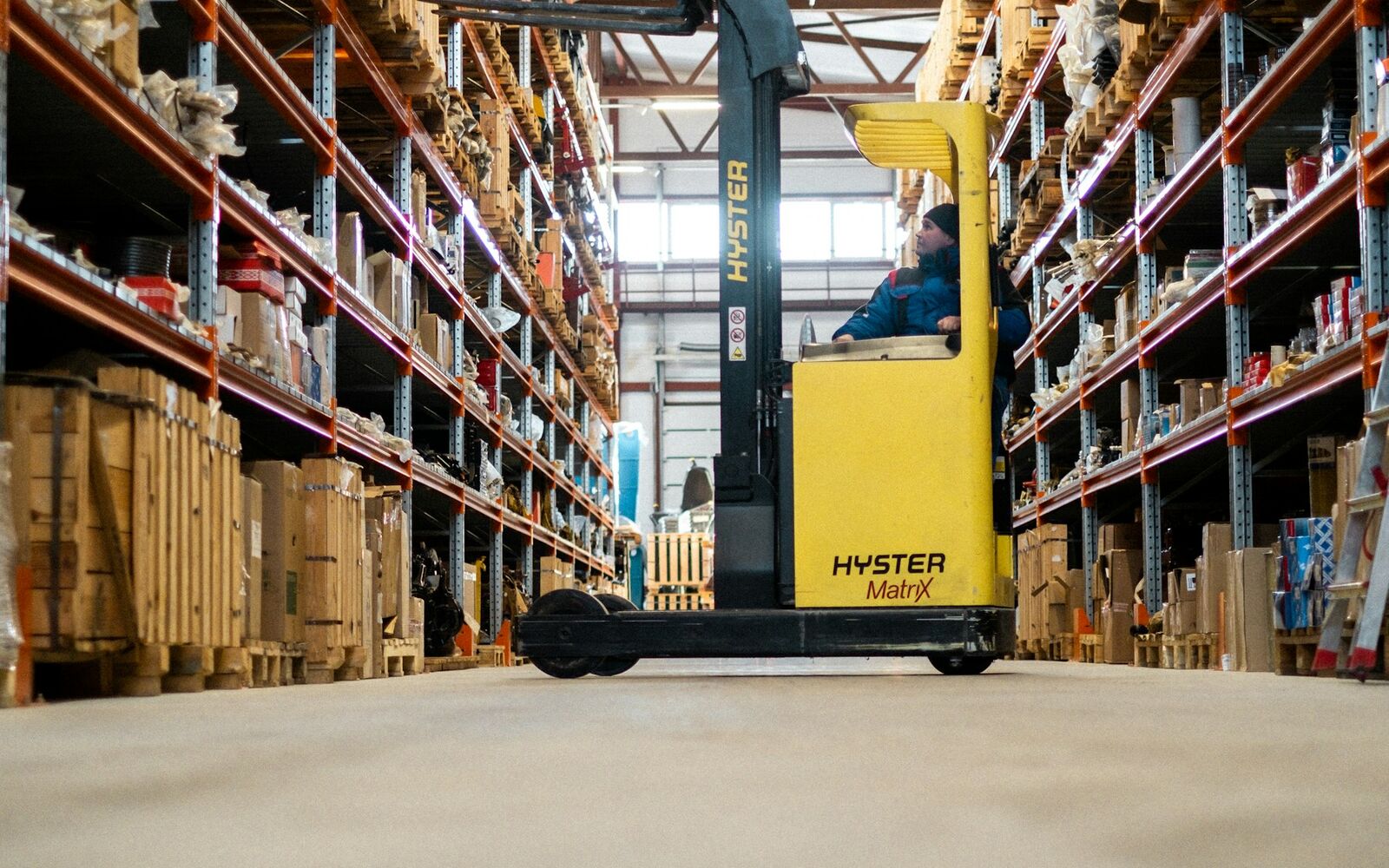
Cross-border e-commerce logistics rests on a solid warehouse operation. A well-designed fulfilment process follows these steps:
- Receiving goods, barcoding and assigning them to shelf locations
- Importing orders from marketplaces or the web store into the warehouse management system
- Picking, checking and packing appropriate to the product
- Generating country-specific labels, invoices and customs documents
- Handing over to the carrier and sending the tracking number to the customer
Our warehousing and distribution facility in Gebze, close to Turkey's manufacturing centres and Istanbul's airports, is a natural consolidation point for e-commerce exporters.
Tip: Optimise package size and weight for each product. International parcel rates are based on volumetric weight, so unnecessarily large boxes noticeably increase your cost per delivery.
Delivery Models
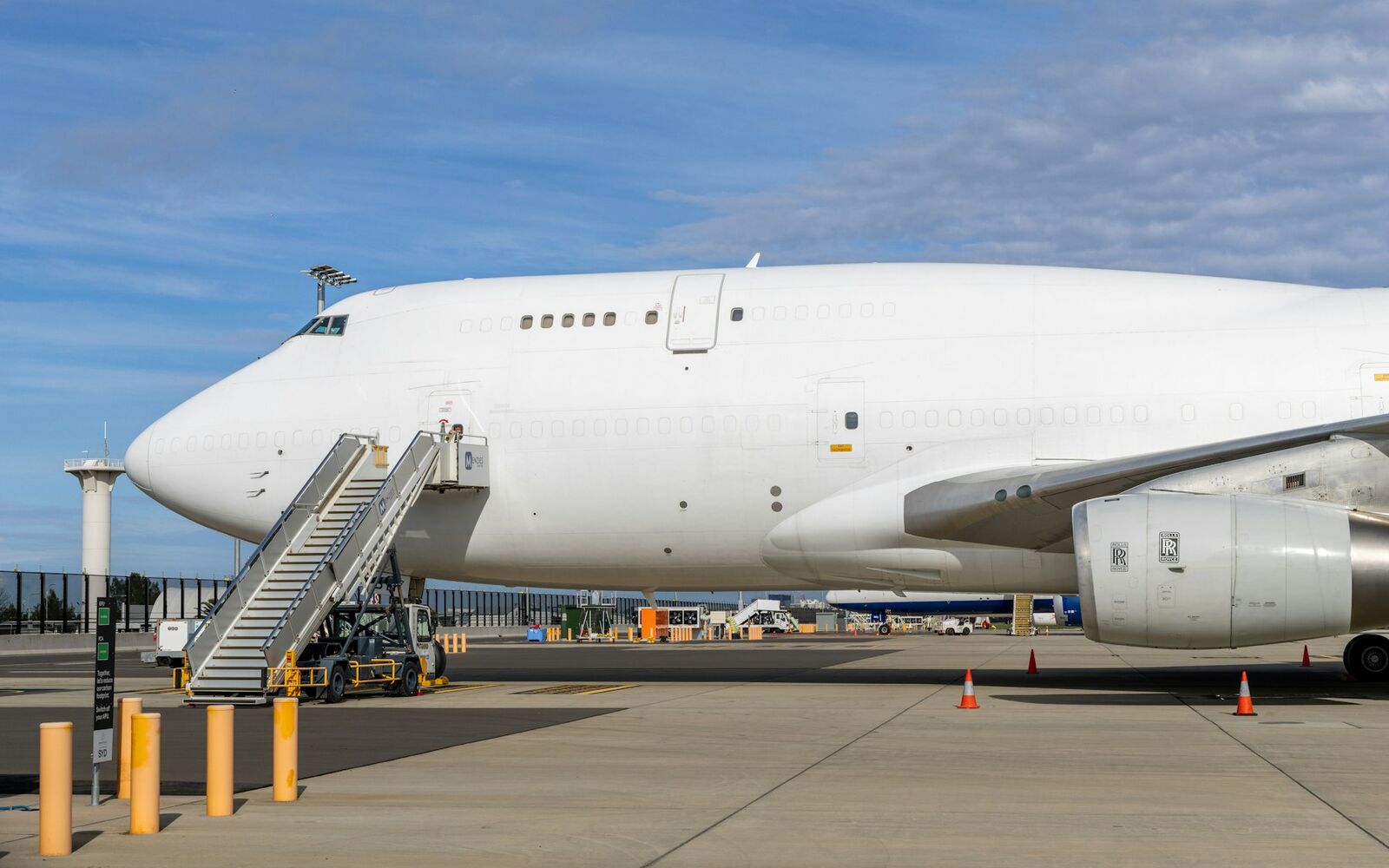
Three delivery models are used in cross-border e-commerce, each suited to a different scenario:
| Model | How it works | Best for |
|---|---|---|
| Direct shipping | Each order ships individually from Turkey by express courier | Low volume, many countries, testing phase |
| Consolidated shipping | Orders are grouped, shipped in bulk to the destination country and injected into the local carrier network | Medium volume, focus on one market |
| Overseas warehouse | Stock is pre-positioned in a warehouse in the target country and orders ship from there | High volume, fast-delivery expectations |
In the consolidated and overseas-warehouse models the main leg uses air freight or, for Europe, road transport; Özd Global plans this trunk movement together with the last-mile integration in the destination country.
Taxes and Customs in the Destination Market
The import VAT, duty exemption thresholds and product safety rules of the target market directly affect your selling price. The European Union has specific VAT arrangements for distance selling, while the United States and the Gulf countries apply different thresholds. Offering delivered duty paid (DDP) terms improves customer satisfaction but requires the seller to calculate taxes in advance. Getting this right significantly reduces return rates and customer complaints.
Returns Management
Returns are the most neglected part of cross-border e-commerce logistics. In categories such as fashion and footwear, return rates are high, and bringing a returned item back to Turkey often costs more than the product is worth. Practical solutions include:
- Using a returns collection address in the target market and reselling returned goods there
- Applying a refund-without-return policy for low-value items
- Analysing return reasons to improve product descriptions and size charts
Özd Global includes the returns flow in the operational plan for consolidated and overseas-warehouse models.
Checklist for Successful Cross-Border E-Commerce Logistics
- Review customs thresholds and prohibited product lists for each target market.
- Integrate inventory, order and shipping systems; manual handling increases errors.
- Set realistic delivery promises and send tracking notifications.
- Keep packaging on-brand but lightweight.
- As monthly volume grows, evaluate moving from direct shipping to a consolidated model.
Frequently Asked Questions
How much stock do I need to start e-commerce export? With the direct shipping model you do not need stock abroad; orders ship from Turkey. As volume grows, moving to a consolidated or overseas-warehouse model lowers unit costs.
Can VAT be reclaimed on goods shipped under ETGB? The regulations allow micro-export shipments to benefit from the export exemption under certain conditions. We recommend reviewing the current requirements with your accountant.
Marketplaces have their own logistics programmes. Why do I need a separate logistics partner? Marketplace programmes generally cover only sales on their own platform and do not include moving stock to that country. Özd Global manages the trunk transport, customs and consolidation steps from your factory to the marketplace warehouse.
With the right logistics infrastructure, selling online abroad becomes a scalable growth channel. To plan your cross-border e-commerce logistics across warehousing, customs and delivery, reach us through our contact page or call the Özd Global team on +90 551 462 41 34, and let us help you reach customers anywhere in the world from Gebze.