


Geographic proximity, cultural ties and strong trust in Turkish products make the Middle East one of Turkey's most dynamic export markets. Food, building materials, furniture, textiles and machinery flow to a vast region stretching from Iraq to the Gulf and from Jordan to Lebanon. Yet exporting to the Middle East logistics involves different rules, border dynamics and document requirements than shipping to Europe. Özd Global, based in Gebze, has been running regular services to the region for years, and this guide distils that experience: which routes are used, which documents are needed, how long shipments take and what to watch out for.

The Logistics Landscape of the Region
From a logistics standpoint the region can be divided into three sub-markets:
- Iraq: As Turkey's land neighbour, Iraq generates the heaviest road traffic. The Habur / Ibrahim Khalil crossing is the main gateway, with deliveries to Erbil, Mosul, Baghdad and Basra.
- The Gulf: Saudi Arabia, the United Arab Emirates, Qatar, Kuwait, Oman and Bahrain. Served both by road (via Iraq or Jordan) and by sea from Mersin and Izmir.
- The Levant: Jordan, Lebanon and neighbouring countries, reached through road and Ro-Ro combinations as well as sea services.
Each sub-market has its own customs approach, document expectations and infrastructure, so planning must be country-specific rather than based on a single "Middle East template". Exporting to the Middle East logistics plans should be shaped around the conditions of each target country.
Transport Modes and Routes
Road
For Iraq and the Kurdistan Region, road is practically the only option. A drive of roughly two days from Gebze to Habur is followed by the border crossing. For the Gulf there are two classic corridors: the southern route through Iraq and the Syria-Jordan corridor. On both, the current conditions in transit countries directly influence route selection. Our road freight service relies on drivers who know the region and on established local partners.
Sea
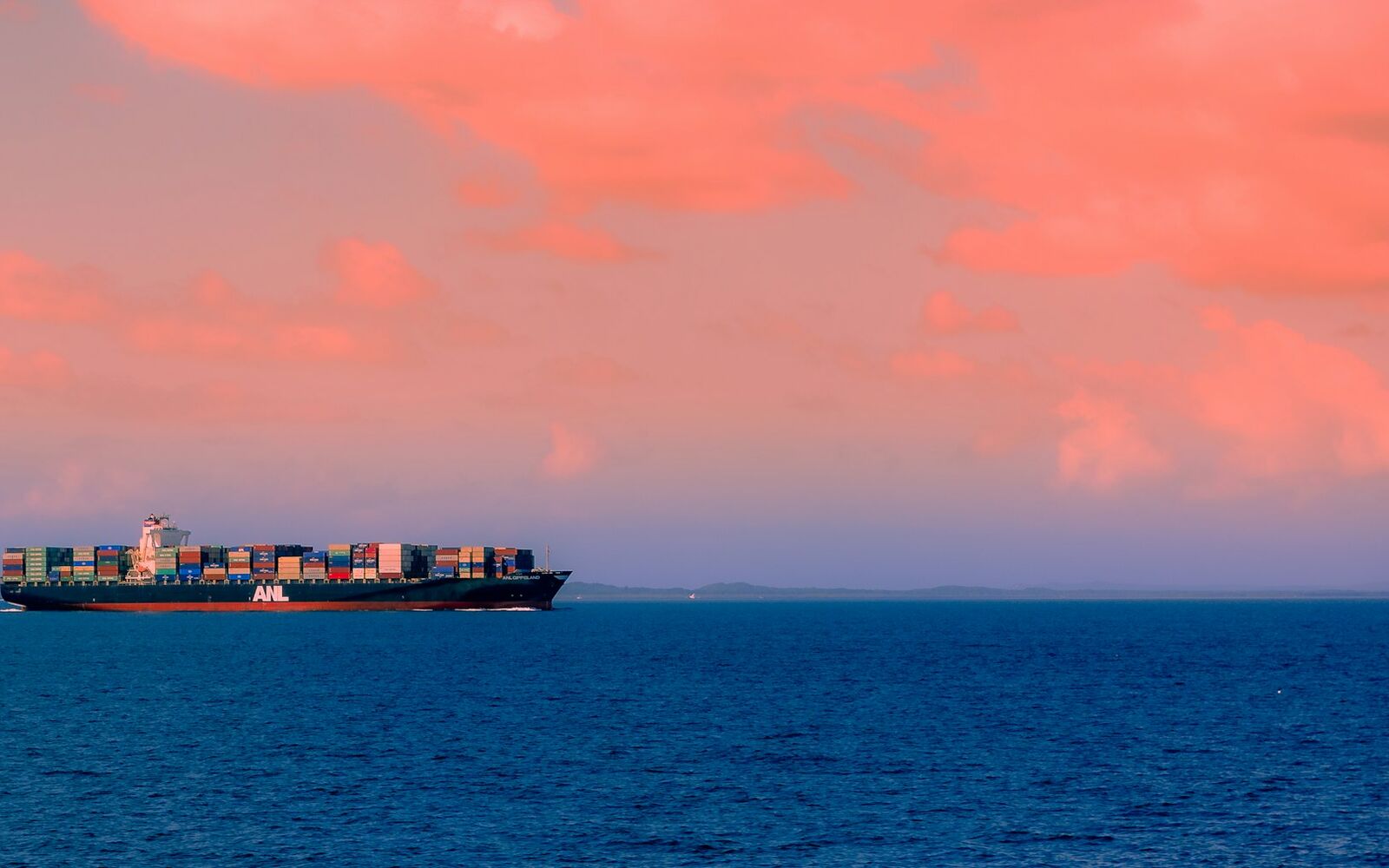
Container shipping is the most economical and predictable mode for Saudi Arabia (Jeddah, Dammam), the UAE (Jebel Ali), Qatar (Hamad) and Kuwait. Direct and transhipment services operate from Mersin, Izmir and the Marmara ports. Our sea freight team evaluates FCL and LCL options according to volume.
Air
For urgent spare parts, samples, pharmaceuticals and high-value goods, daily flights connect Istanbul with the Gulf. Air freight is more expensive, but delivery within 1-3 days ensures you never miss a market opportunity.
Typical Transit Times
| Destination | Road | Sea | Air |
|---|---|---|---|
| Erbil / Northern Iraq | 3-5 days | - | 1-2 days |
| Baghdad / Basra | 5-8 days | 14-20 days (Umm Qasr) | 1-2 days |
| Saudi Arabia | 7-12 days | 10-18 days | 1-3 days |
| UAE / Qatar / Kuwait | 8-14 days | 12-20 days | 1-3 days |
| Jordan / Lebanon | 4-7 days | 6-12 days | 1-2 days |
Times vary with border congestion, religious holidays and customs processing; allow extra time around Ramadan and Eid al-Adha.
Document and Compliance Requirements
Document discipline is critical when exporting to the Middle East. Typical requirements include:
- Commercial invoice and packing list (some countries request Arabic translation and consular legalisation)
- Certificate of origin endorsed by the chamber of commerce
- CMR or bill of lading
- Product conformity certificates: SABER/SASO for Saudi Arabia, ESMA for the UAE, conformity assessment certificates for Iraq
- Halal certificates, health certificates and shelf-life declarations for food and cosmetics
- Labelling in Arabic alongside the original language where required
Tip: Start conformity certification processes such as SABER weeks before the shipment date. Without these documents the cargo sits at the destination port and storage charges accumulate quickly.
Our customs clearance team prepares country-specific document checklists so that gaps are identified before the goods leave.
Cost Factors and Pricing
In exporting to the Middle East logistics, freight rates fluctuate with route security, border waiting times, return-load availability, fuel prices and insurance premiums. For the Gulf, sea freight is generally cheaper than road; for Iraq, road is both fast and cost-effective. Region-specific extras include consular legalisation fees, conformity certificate costs, border escort charges and port handling fees in the destination country. Because exact amounts depend on the product and the period, Özd Global provides an itemised, up-to-date quotation for every shipment.
Managing Risk
Given geopolitical volatility in the region, risk management is an integral part of exporting to the Middle East logistics:
- Arrange all-risk cargo insurance with war and strikes extensions.
- Check the current situation in every transit country before departure.
- Align the payment method (letter of credit, advance payment, documents against payment) with document requirements.
- Confirm that the buyer's import licence and customs registration are valid.
Through its regional agents and representatives at border points, Özd Global maintains a real-time flow of information at every stage of the shipment.
Frequently Asked Questions
Can I send groupage cargo to Iraq? Yes. We operate regular groupage departures from Gebze to Erbil and Baghdad, consolidating smaller consignments so you do not bear the cost of a full truck.
Can goods be shipped to Saudi Arabia without a SABER certificate? For regulated products, customs clearance is not possible without SABER registration. The process must be started in advance together with the importer; Özd Global provides guidance throughout.
Is road or sea better for the Gulf? Road is usually preferable for urgent, medium-volume cargo, while sea is more economical for large, planned shipments. We price both options side by side so you can compare.
A dependable logistics partner is one of the strongest advantages an exporter can have in the Middle East market. To plan your exporting to the Middle East logistics, reach us through our contact page or call the Özd Global team on +90 551 462 41 34, and let us organise your shipment from Gebze to Iraq, the Gulf and the Levant together.