

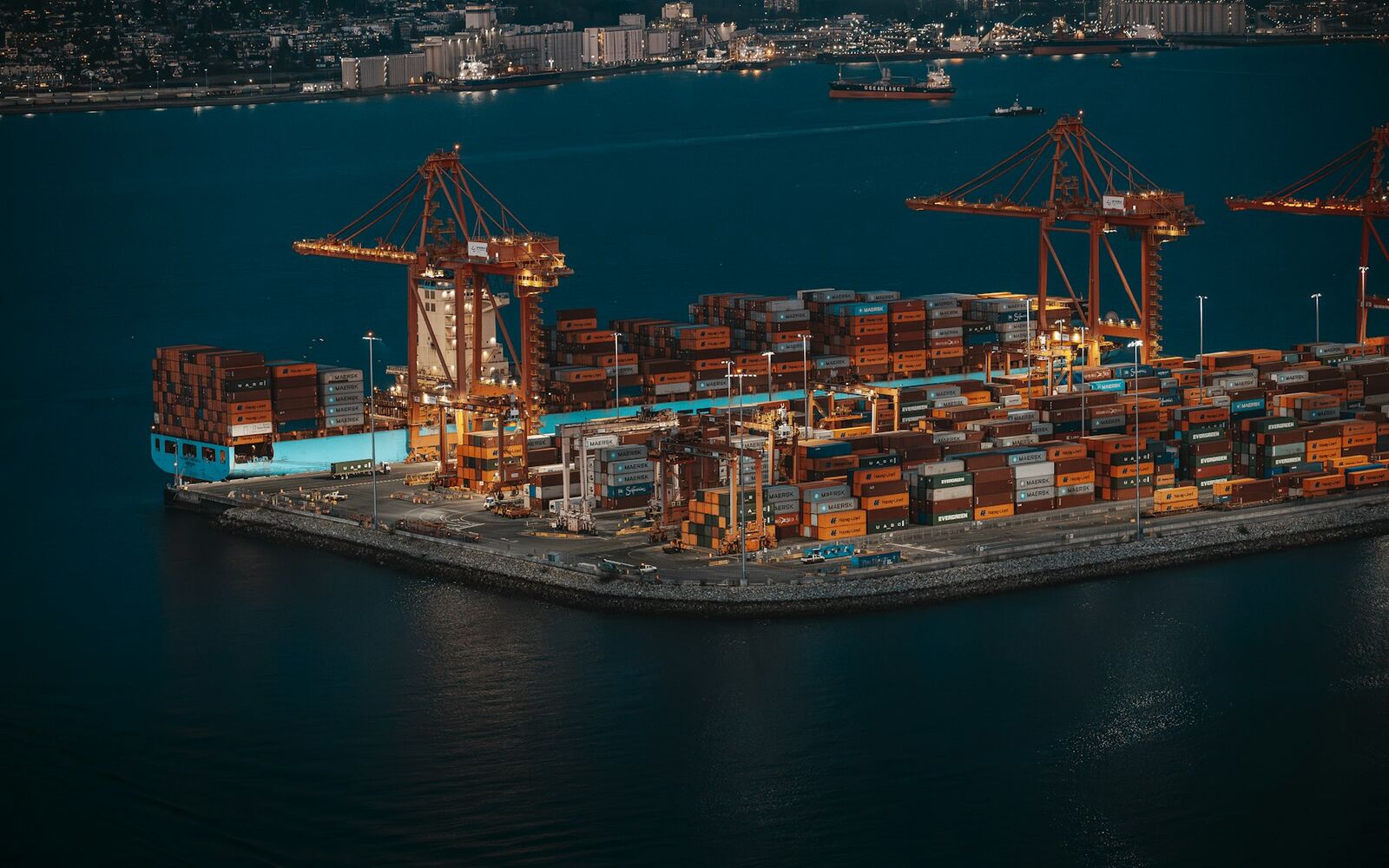
The FCL vs LCL difference is the first and most fundamental decision any company faces when planning an import or export by sea. FCL (Full Container Load) means a whole container is assigned to a single shipper; LCL (Less than Container Load) means goods from several shippers are consolidated and carried in the same container. The right choice depends on cargo volume, weight, time sensitivity, the nature of the product and the budget. The wrong choice means either paying freight for empty space or dealing with unnecessary transhipment and delays. In this Özd Global guide, we compare the FCL vs LCL difference in terms of cost, time, risk and operations, and explain which to choose in each situation.

What Is FCL?
FCL is a shipping method in which a container is filled with cargo belonging to one customer, or is assigned exclusively to that customer even if not full. The container is usually stuffed at the shipper's warehouse, sealed and opened only at the consignee's premises. It never comes into contact with other cargo. The 20-foot, 40-foot and 40-foot high cube are the most common FCL equipment.
Advantages of FCL
- The container travels sealed door to door, so damage and mixing risk is low.
- Without transhipment or deconsolidation, transit time is shorter.
- As volume grows, cost per cubic metre falls noticeably.
- The stuffing plan is entirely under the shipper's control.
Disadvantages of FCL
- The full rate is payable even if the container is only half full.
- For small volumes, unit cost can be high.
- Positioning the empty container at the warehouse and returning it on time requires planning.
What Is LCL?
LCL is a method in which goods from multiple shippers are loaded into a single container at a consolidation warehouse (CFS) and separated again at the destination port. The shipper pays only for the volume or weight their goods occupy, with pricing usually calculated per cubic metre (CBM).
Advantages of LCL
- Economical for small lots; no full container fee.
- Enables frequent, smaller shipments without tying up stock.
- No difficulty sourcing container equipment.
Disadvantages of LCL
- Consolidation and deconsolidation extend transit time.
- Because cargo is handled alongside other goods, the risk of damage rises.
- CFS charges and deconsolidation fees are added at the destination port.
- Departure depends on the container filling, so date flexibility is lower.
FCL vs LCL Comparison Table
| Criterion | FCL | LCL |
|---|---|---|
| Pricing | Fixed per container | Per cubic metre or tonne |
| Economic threshold | Around 15 m³ and above | 1-15 m³ |
| Transit time | Shorter | 1-2 weeks longer due to transhipment |
| Damage risk | Low (sealed) | Medium (shared handling) |
| Departure flexibility | Tied to vessel schedule | Tied to container filling |
| Extra charges | Demurrage/detention risk | CFS and deconsolidation fees |
| Suitable cargo | Bulky, regular, sensitive | Small lots, samples, first orders |
Tip: If your cargo falls in the 12-15 cubic metre range, request quotes for both options. Once destination port surcharges for LCL are factored in, a 20-foot FCL often turns out cheaper than expected and shortens transit time as well.
When to Choose FCL and When to Choose LCL
Work through these questions in order to settle the FCL vs LCL difference for your shipment:
- How large is the cargo? Above 15 cubic metres, lean towards FCL.
- Is the product sensitive? FCL is safer for fragile goods or items sensitive to moisture or odour.
- Is the delivery date critical? Choose FCL when speed matters.
- How frequent are shipments? Weekly small lots suit LCL; monthly large lots suit FCL.
- Can the consignee unload a container? Without a dock or forklift, pallet-based LCL delivery may be more practical.
For current rates and vessel schedules on either option, visit the Özd Global sea freight page.
Points to Watch in the Cost Calculation
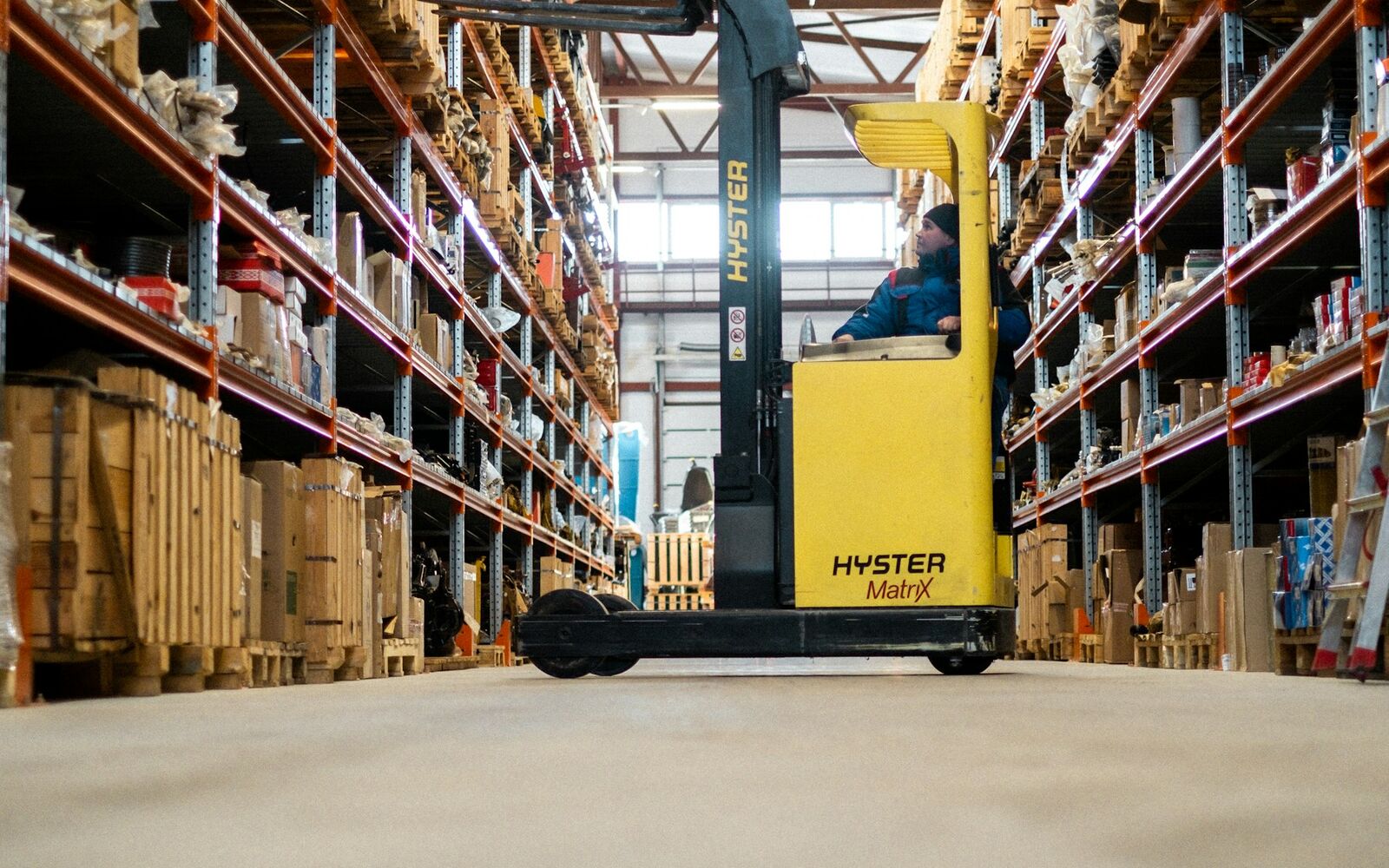
The FCL vs LCL difference should never be judged on the freight figure alone. Although LCL freight per cubic metre may look low, CFS charges, deconsolidation, documentation and delivery fees at the destination raise the total. With FCL, demurrage and detention apply if the container's free time is exceeded. For both scenarios, the full door-to-door cost should be calculated.
In addition, LCL is charged on whichever is greater, volume or weight, with 1 cubic metre commonly treated as equal to 1 tonne. For heavy, compact cargo this rule can make LCL more expensive than anticipated.
The Consolidation Advantage with Özd Global
At our Gebze facilities, we can bring together cargo from several suppliers and load it into a single FCL container. This "buyer's consolidation" model avoids the surcharges of LCL while delivering the security and speed of FCL. Under our warehousing and distribution service, we palletise the goods, prepare the stuffing plan, seal the container and dispatch it to the port. Because the same team manages the customs declaration and bill of lading, you deal with a single point of contact.
Frequently Asked Questions
How big is the FCL vs LCL difference in price?
With LCL you pay per cubic metre, so the total is low for small shipments. As volume grows, however, LCL's unit price overtakes FCL. The costs of the two options generally converge at around 15 cubic metres, though the threshold varies by route and period.
How long does LCL delivery take?
Because of consolidation at origin and deconsolidation at the destination port, LCL cargo usually takes 7-14 days longer than FCL on the same route. The exact time depends on the consolidator's departure frequency and the vessel schedule.
Can a single pallet be shipped by sea?
Yes, LCL exists precisely for this need. A single pallet or a few cartons can be combined with other cargo at the consolidation warehouse and sent to almost any port in the world. The price is calculated on the pallet's volume and weight.
If you are unsure whether FCL or LCL suits your cargo, share your volume, weight and destination details via our contact page or call +90 551 462 41 34. The Özd Global team will prepare comparative quotations for both options and identify the most economical solution with you.