

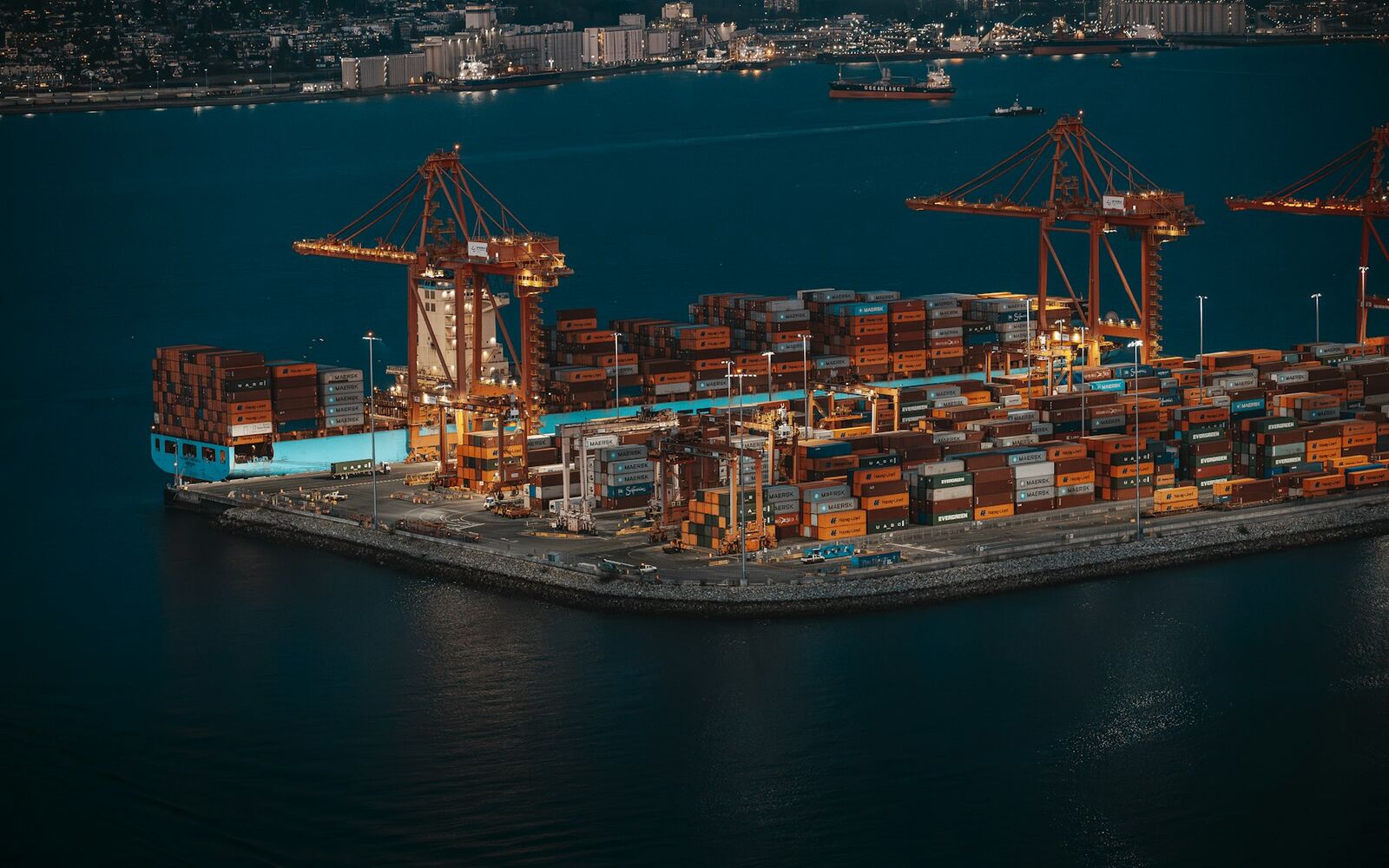
For businesses that need raw materials, machinery or finished goods from abroad, learning how to import to Turkey is the first step into international sourcing. Importing is a multi-stage process: it begins with finding the right supplier and continues through tariff classification, duty calculation, documentation, transport organisation and the customs declaration. A small gap at any stage can leave cargo stuck at the port and generate unexpected costs. This guide brings together the essential steps and practical tips every first-time importer should know. From our operations centre in Gebze, Özd Global manages transport and customs clearance for imports arriving from the Far East, Europe and beyond.

Step 1: Prerequisites and Supplier Selection
Legal Prerequisites
To import, you need a registered taxpaying business that is defined in the customs systems. Unless you lodge declarations yourself, you grant a power of attorney to a licensed customs broker. Certain product groups (food, medical devices and electrical goods, for example) require permits, registrations or conformity documents from the relevant authorities before import. Identifying which regulations apply to your product at the very start saves considerable time later.
Supplier Selection and Samples
A reliable supplier is the single most important element of any import. Evaluate production capacity, quality certificates, references and payment terms. Requesting samples before the first order and, where possible, arranging a third-party pre-shipment inspection is the most effective way to avoid quality disputes.
Step 2: Determining the Tariff Code
The tariff code (HS code, known locally as GTİP) is the 12-digit classification of the goods you import. Duty rates, VAT, additional financial obligations and required documents all follow from this code. A wrong classification can lead to penalties for underpaid duty or to money lost through overpayment. If in doubt, binding tariff information can be requested from the customs administration.
Step 3: Cost and Duty Calculation
The true cost of an import goes well beyond the supplier's invoice. The table below summarises the main components of the landed cost.
Landed Cost Components
| Cost Item | Description | Set By |
|---|---|---|
| Goods value | Supplier invoice (depends on delivery term) | Supplier |
| Freight and insurance | Varies by mode and route | Logistics provider |
| Customs duty | Rate depends on tariff code and origin | Regulation |
| Import VAT | Charged on customs value plus duties | Regulation |
| Additional charges | Anti-dumping, surveillance, excise where applicable | Regulation |
| Port and storage | Container handling, waiting charges | Port / warehouse |
| Customs brokerage | Declaration and advisory service | Broker |
Because customs value is generally assessed on a CIF basis, freight and insurance are added to the value for EXW or FOB purchases. Keep this in mind when comparing supplier quotations.
Tip: If a free trade agreement exists between the country of origin and Türkiye, ask the supplier for a EUR.1 certificate or origin declaration. It can substantially reduce customs duty.

Step 4: Contract, Delivery Term and Payment
The contract with your supplier should specify product description, quantity, price, the Incoterms 2020 rule, lead time and payment conditions. From the importer's perspective, FOB or FCA gives you cost control because you arrange freight with your own logistics partner. Keeping the advance payment low, paying the balance against shipping documents, or using a letter of credit all reduce risk.
Step 5: Organising Transport
The transport mode depends on volume, value and urgency. For bulky cargo from the Far East or the Americas, sea freight is the most economical choice, either as a full container (FCL) or as groupage (LCL). Urgent and high-value goods travel by air freight. For purchases from Europe, road freight balances speed and cost. Özd Global offers door-to-door solutions in all three modes and tracks your cargo throughout the journey.
Step 6: Documents, Customs Declaration and Delivery
Core Import Documents
The core import documents are:
- Commercial invoice and packing list
- Transport document (bill of lading, CMR or air waybill)
- Certificate of origin or movement certificate, where applicable
- Product-specific permits and conformity documents
- Insurance certificate (used in valuation)
When the goods arrive in Türkiye, your broker lodges the import declaration; duties are paid, a physical inspection takes place if required, and the goods are released for free circulation. Our customs clearance service manages the process from document pre-check to the closure of the declaration, keeping time at the port to a minimum.
Delivery and Storage
Cleared goods can be delivered straight to your facility or stored according to need. When distribution to several locations is planned, using a bonded or general warehouse brings cash-flow and operational advantages. Özd Global's warehousing infrastructure in Gebze lets you hold imported stock and dispatch it on demand.
Common Import Mistakes
Companies working out how to import to Turkey most often stumble on these points:
- Failing to check whether the product needs a pre-import permit.
- Comparing supplier offers on goods value alone, ignoring duties and freight.
- Paying demurrage and storage because the container waited at the port.
- Triggering inspections through inconsistencies between the invoice and packing list.
Frequently Asked Questions
Which taxes are paid on imports? Primarily customs duty and import VAT. Depending on the product, excise duty, additional financial obligations, anti-dumping duty or surveillance measures may also apply. Rates depend on the tariff code and the country of origin.
How long does the import process take? It depends on mode and route; when planning how to import to Turkey, consider transit time together with the delivery term. Sea freight from the Far East typically takes several weeks, air freight a few days, and road freight from Europe between a few days and a week. Customs clearance is usually quick when documents are complete.
Can an individual import goods? Commercial imports require a registered business. Private individuals may only bring in goods for personal use within set limits.
The answer to how to import to Turkey becomes much clearer with careful planning and an experienced logistics partner. Özd Global manages the whole chain, from collection at your supplier to customs clearance and warehousing. Visit our contact page or call +90 551 462 41 34 to discuss your import plan.