

With raw material prices, energy bills and freight rates squeezing margins year after year, how to reduce logistics costs has moved to the top of many management agendas. Logistics typically represents a significant share of total costs for manufacturers and trading companies, and that share can be cut without sacrificing service quality. The savings rarely come from simply finding a cheaper carrier; they come from redesigning processes. In this article Özd Global shares ten concrete strategies that we apply in the field and recommend to our clients.

What Makes Up Your Logistics Costs
Before planning savings, you need to know where the money goes. The main components are:
- Transport: Freight, fuel, tolls, inland haulage and last-mile delivery.
- Warehousing: Rent, racking, handling, labour and energy.
- Inventory carrying cost: Capital tied up in stock, insurance, shrinkage and obsolescence.
- Customs and documentation: Brokerage fees, waiting time, penalties.
- Administration: Planning, software and communication.
In many companies the hidden costs (waiting, demurrage, emergency shipments, returns) make up a surprisingly large part of the total.
Levers That Cut Transport Costs
Transport is where most answers to how to reduce logistics costs begin.
1. Consolidate Your Shipments
Replacing small, frequent consignments with fewer, fuller vehicles lowers the unit cost of transport. On European lanes, consolidating part loads into regular weekly departures delivers clear savings on road freight. At sea, grouping several LCL lots into a single FCL container is often the cheaper option.
2. Rethink Routes and Transport Modes
Not every shipment needs to fly, and not every shipment can wait for a vessel. Matching the mode to the value, lead time and volume of the goods, and considering multimodal sea-road combinations, can unlock substantial gains.
| Mode | Cost Level | Speed | Typical Cargo |
|---|---|---|---|
| Road | Medium | Medium-fast | Europe and nearby regions, FTL/LTL |
| Sea | Low | Slow | Bulky, time-flexible cargo |
| Air | High | Very fast | Urgent, light, high-value goods |
| Multimodal | Low-medium | Medium | Long-distance, planned shipments |
3. Choose Incoterms Strategically
Your choice of Incoterms feeds directly into cost. If your freight buying power exceeds your supplier's, purchasing FOB or FCA and organising transport yourself may be cheaper. If the opposite is true, CIF or DAP reduces hidden charges.
Tip: At least once a year, compare your supplier's CIF price against a FOB price plus a freight quote from your own logistics partner. As the freight market moves, the advantage shifts from one side to the other.

Levers That Cut Warehouse and Inventory Costs
Warehousing and stock are the most neglected areas in how to reduce logistics costs programmes.
4. Improve Warehouse Efficiency
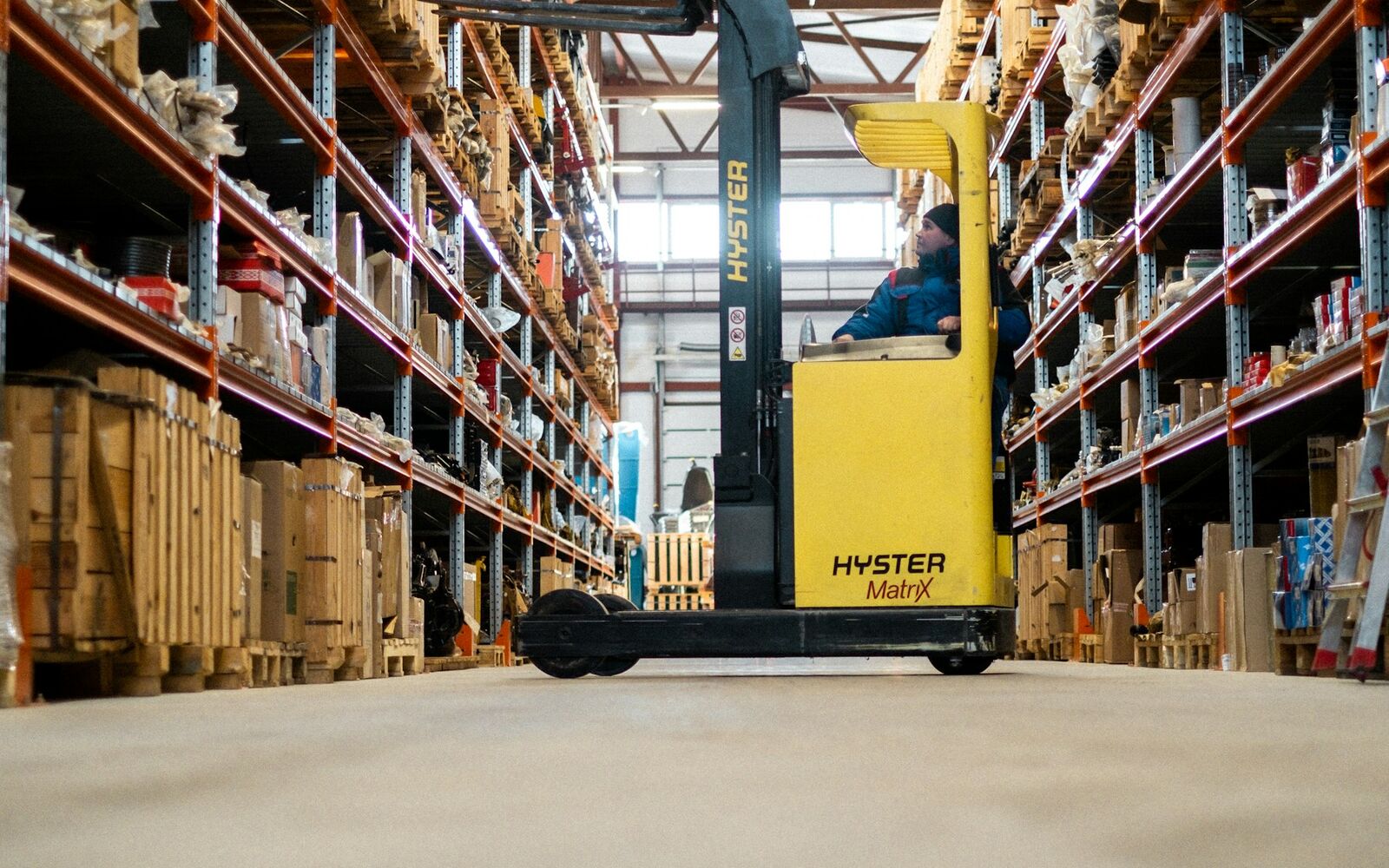
Poor use of warehouse space inflates both rent and handling costs. Vertical racking, slotting based on ABC analysis, barcode-driven stock control and cross-docking all reduce cost per pallet. Renting only the space you need instead of running your own facility turns fixed costs into variable ones; our warehousing and distribution service offers exactly that flexibility.
5. Optimise Inventory Levels
Excess stock ties up capital; too little stock forces emergency shipments. Demand forecasting, properly calculated safety stock and regular monitoring of supplier lead times raise inventory turnover. A single urgent air shipment can cost several times more than a planned sea shipment.
6. Redesign Your Packaging
Freight is often charged on volume. Carton dimensions that fit standard pallets, nested product arrangements and the elimination of empty space raise vehicle utilisation. Better packaging also cuts damage rates, which lowers insurance and returns costs.
Process and Partnership Levers
The final group delivers lasting savings by redesigning processes and partnerships.
7. Speed Up Customs Clearance
Every day at customs turns into storage and demurrage on your invoice. Checking documents before shipment, classifying goods correctly and issuing movement certificates properly prevents waiting time. Our customs clearance team runs a pre-declaration document check that keeps such delays to a minimum.
8. Sign Longer-Term Carrier Agreements
Spot rates fluctuate. If you have regular volumes, annual or six-month contracted rates provide price predictability and guaranteed capacity. Özd Global builds volume-based agreements with clients who ship on a regular schedule.
9. Measure and Track Your Data
You cannot reduce a cost you do not measure. Tracking cost per shipment, vehicle fill rate, on-time delivery percentage and damage rate every month makes improvement opportunities visible.
10. Outsource Logistics
Companies that run their own fleet and warehouse carry heavy fixed costs. Working with an experienced logistics partner lets you benefit from economies of scale and concentrate on your core business. From its operations centre in Gebze, Özd Global provides transport, warehousing and customs clearance under a single contract, eliminating coordination overhead as well.
Frequently Asked Questions
Does cutting logistics costs hurt service quality? Not when done properly. Consolidation, planning and efficiency measures lower costs while usually improving delivery reliability. The real risk lies in simply picking the cheapest carrier.
Where do the fastest savings come from? For most companies the first gains come from consolidation and mode selection. Warehouse layout and inventory optimisation follow in the medium term.
Can small businesses apply these methods? Yes. Groupage transport, shared warehousing and outsourcing allow small and medium-sized companies to access the scale advantages that larger shippers enjoy.
There is no single answer to how to reduce logistics costs; the real gains come from applying several levers together. Özd Global analyses your current shipping structure and quantifies the savings opportunities in concrete figures. Visit our contact page or call +90 551 462 41 34 to request a free review.