

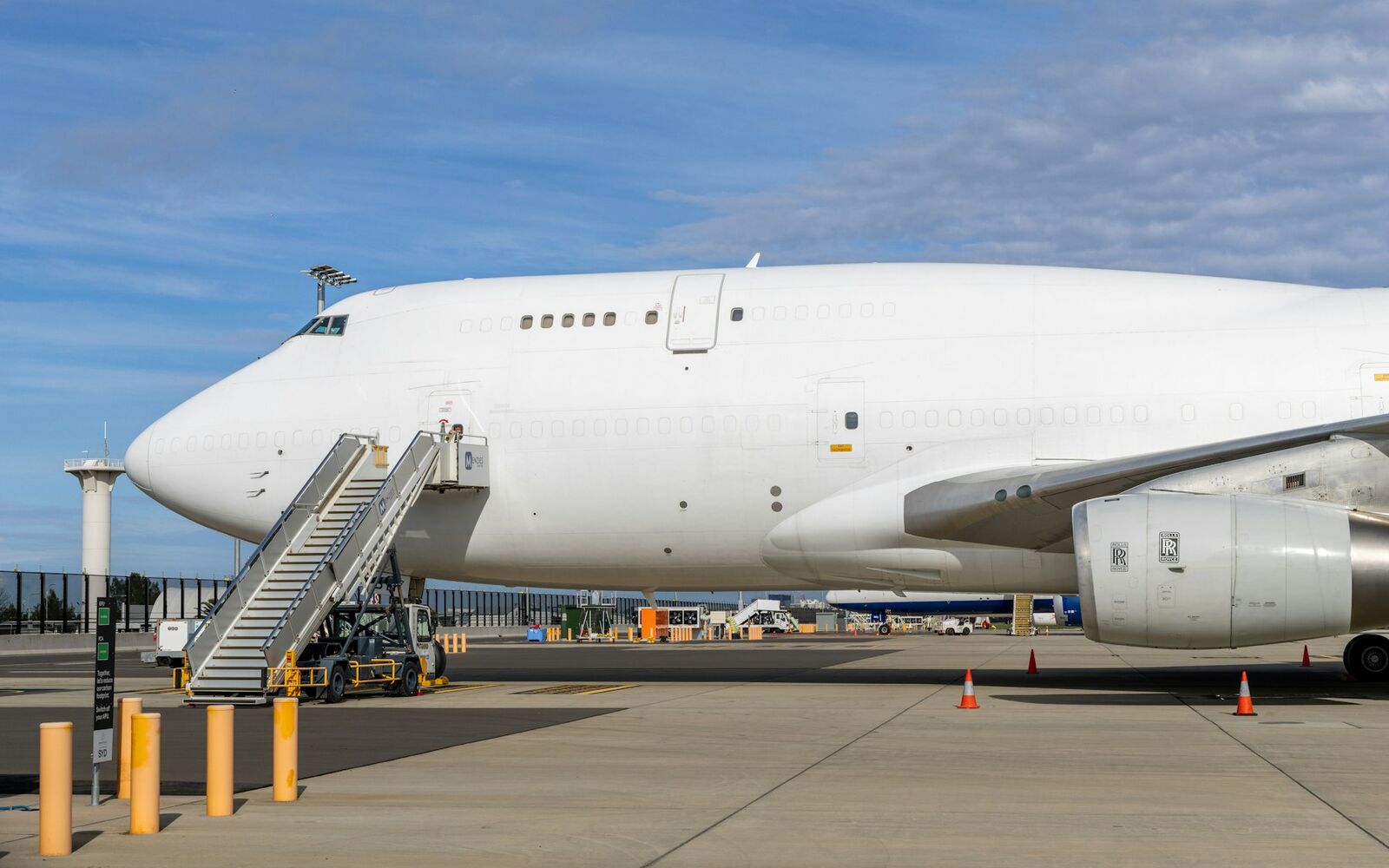
From smartphones to electric scooters and from laptops to energy storage units, a large share of the goods moving around the world today contain lithium batteries. But when it comes to shipping lithium batteries by air, things are far more complicated than an ordinary consignment. Because of the risk of overheating and fire, lithium batteries are classified as dangerous goods (Class 9) under international regulations, with strict rules on packaging, labelling, documentation and airline acceptance. A badly prepared shipment is not just refused at the aircraft; it can lead to heavy penalties. This guide walks through shipping lithium batteries by air step by step, from battery types to packaging. Özd Global, with its Gebze-based dangerous goods experience, manages these shipments in full compliance.

Why Are Lithium Batteries Dangerous Goods?
Lithium batteries have a high energy density. A short circuit, physical damage, manufacturing defect or overheating can trigger thermal runaway, a chain reaction that becomes a fire that is hard to extinguish. Because such an event in an aircraft hold has severe consequences, aviation authorities and airlines apply special rules. The rules differ by chemistry and shipping configuration, so the first step is to identify exactly which category your product falls into.
Battery Types and UN Numbers
Lithium batteries fall into two chemistries, and each has defined shipping configurations:
| Battery type | Configuration | UN number | Example product |
|---|---|---|---|
| Lithium-ion (rechargeable) | Batteries alone | UN 3480 | Spare laptop battery, power bank |
| Lithium-ion | Packed with equipment | UN 3481 | Phone with spare battery in separate box |
| Lithium-ion | Contained in equipment | UN 3481 | Laptop, tablet |
| Lithium metal (non-rechargeable) | Batteries alone | UN 3090 | Camera battery, sensor battery |
| Lithium metal | Packed with or in equipment | UN 3091 | Medical device, measuring instrument |
Lithium-ion batteries shipped alone (UN 3480) are forbidden on passenger aircraft; they are accepted only on cargo aircraft and at a reduced state of charge (typically below 30 percent). Batteries contained in equipment are subject to more flexible rules.
Watt-Hour and Lithium Content Limits
Lithium-ion capacity is measured in watt-hours (Wh); lithium metal batteries are measured by lithium content in grams. Small batteries (under 20 Wh per cell and 100 Wh per battery) may qualify for simplified provisions, while larger ones must be prepared as fully regulated dangerous goods. If the Wh rating is not printed on the battery, request the manufacturer's technical data sheet.
Packaging Requirements for Shipping Lithium Batteries by Air
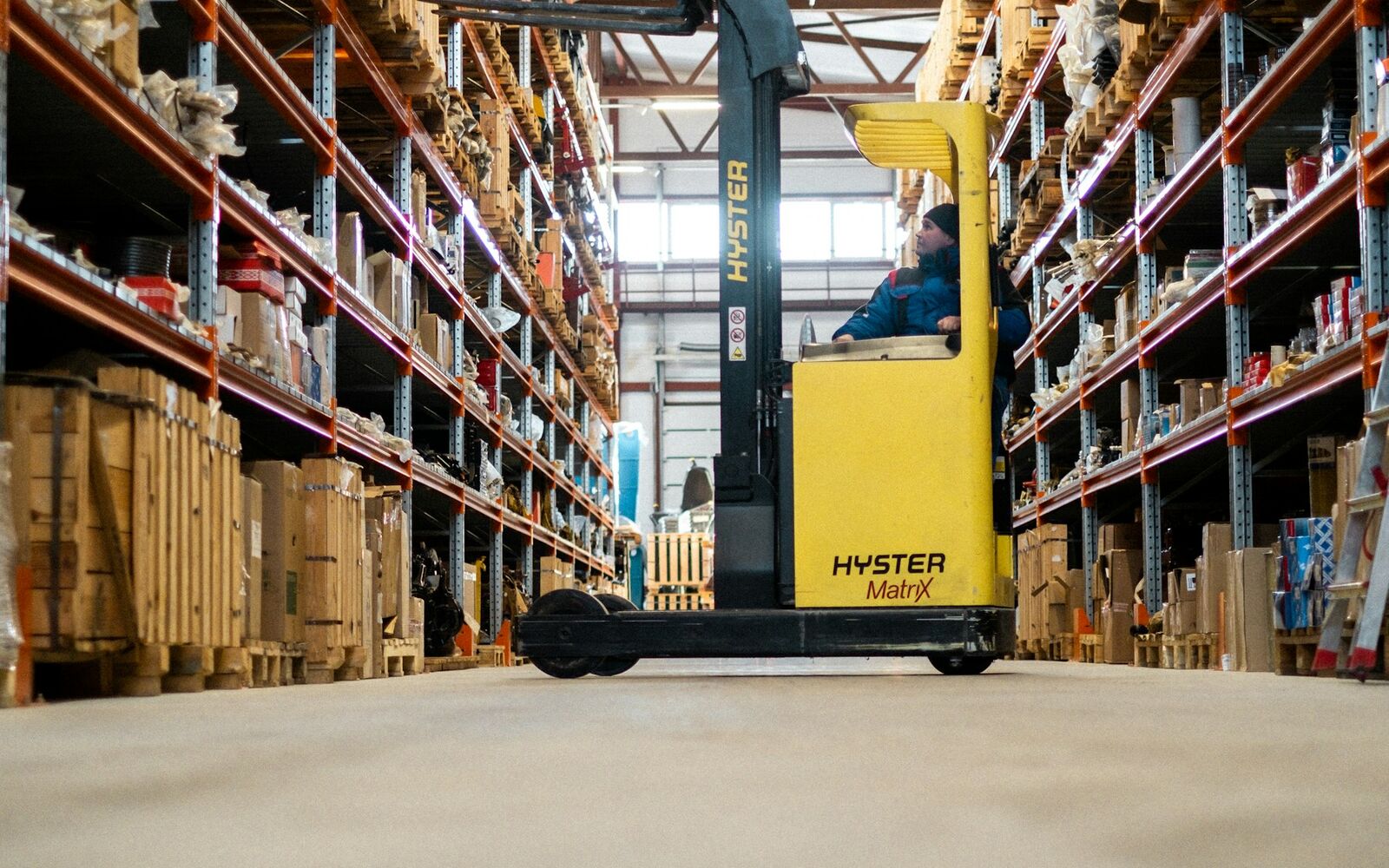
Packaging is the most critical stage of the process. The core rules are:
- Short-circuit protection: Terminals must be taped or each battery placed in its own inner packaging (blister pack, plastic sleeve).
- Insulation and immobilisation: Batteries must not touch each other or conductive surfaces, and must not move inside the box.
- Strong outer packaging: Fibreboard, wood or plastic boxes capable of passing the required drop test. UN-specification packaging is mandatory for larger batteries.
- Quantity limits: The permitted number of batteries and net weight per package depend on battery type and configuration.
- Damaged and recalled batteries: Damaged, defective or recalled lithium batteries cannot be shipped by air at all.
State of charge also matters. A reduced charge level is mandatory for lithium-ion batteries shipped alone because it lowers the risk of thermal runaway.
Labelling and Marking
Every package must carry the marks appropriate to its configuration:
- Lithium battery mark: The standard mark showing the battery symbol, UN number and an emergency phone number.
- Class 9 hazard label: Mandatory for fully regulated shipments.
- "Cargo Aircraft Only" label: Required for shipments forbidden on passenger aircraft.
- Shipper and consignee details, package weight and proper shipping name.
Labels must be firmly attached, on a non-folding face of the package and fully visible. Missing or incorrect labels are the most common reason for refusal at acceptance.
Tip: Ask your supplier for the Wh rating, UN number and the manufacturer's UN 38.3 test summary at the ordering stage. No airline will accept the shipment without these three items, and chasing documents on flight day causes serious delays.
Documents and Declarations
The following documents should be ready for shipping lithium batteries by air:
- Shipper's Declaration for Dangerous Goods (DGD): Mandatory for fully regulated shipments and signed by a trained, authorised person.
- UN 38.3 test summary: The manufacturer's proof that the battery is fit for transport.
- Safety data sheet (SDS): May be requested by the airline or customs.
- Commercial invoice and packing list: Battery type and quantity clearly stated.
- Air waybill: Showing the dangerous goods information and, where required, "Cargo Aircraft Only".
The Özd Global customs clearance team checks the paperwork, while our air freight unit confirms acceptability with the airline before booking. If batteries need to be stored separately from equipment, our Gebze warehousing and distribution centre provides suitable conditions.
Airline and Country Restrictions
On top of the international regulations, every airline has its own operator variations. Some carriers refuse lithium-ion batteries shipped alone; others apply lower quantity limits per package, and import rules at destination can differ. Confirming with the airline before booking is what gets the shipment flying at the first attempt. For your lithium battery shipment, reach the Özd Global team through our contact page or call +90 551 462 41 34.
Frequently Asked Questions
Can power banks be shipped by air? Yes, but a power bank is treated as a lithium-ion battery shipped alone (UN 3480). It can only travel on cargo aircraft, at a reduced state of charge and in compliant packaging; it cannot go in the hold of a passenger aircraft.
Is it easier to ship batteries inside the device? Usually, yes. Batteries contained in equipment (UN 3481 / UN 3091) are subject to more flexible rules and are permitted on passenger aircraft. The device must still be switched off and protected against accidental activation.
How long does it take and how much does it cost? Dangerous goods shipments involve extra checks and surcharges; the price depends on battery type, quantity and routing. With complete paperwork, transit time is close to standard air freight.
There is no margin for error in lithium battery transport. Özd Global manages shipping lithium batteries by air in full compliance, from classification and documentation to packaging and airline confirmation. Share your battery details and let us get your shipment airborne safely.