

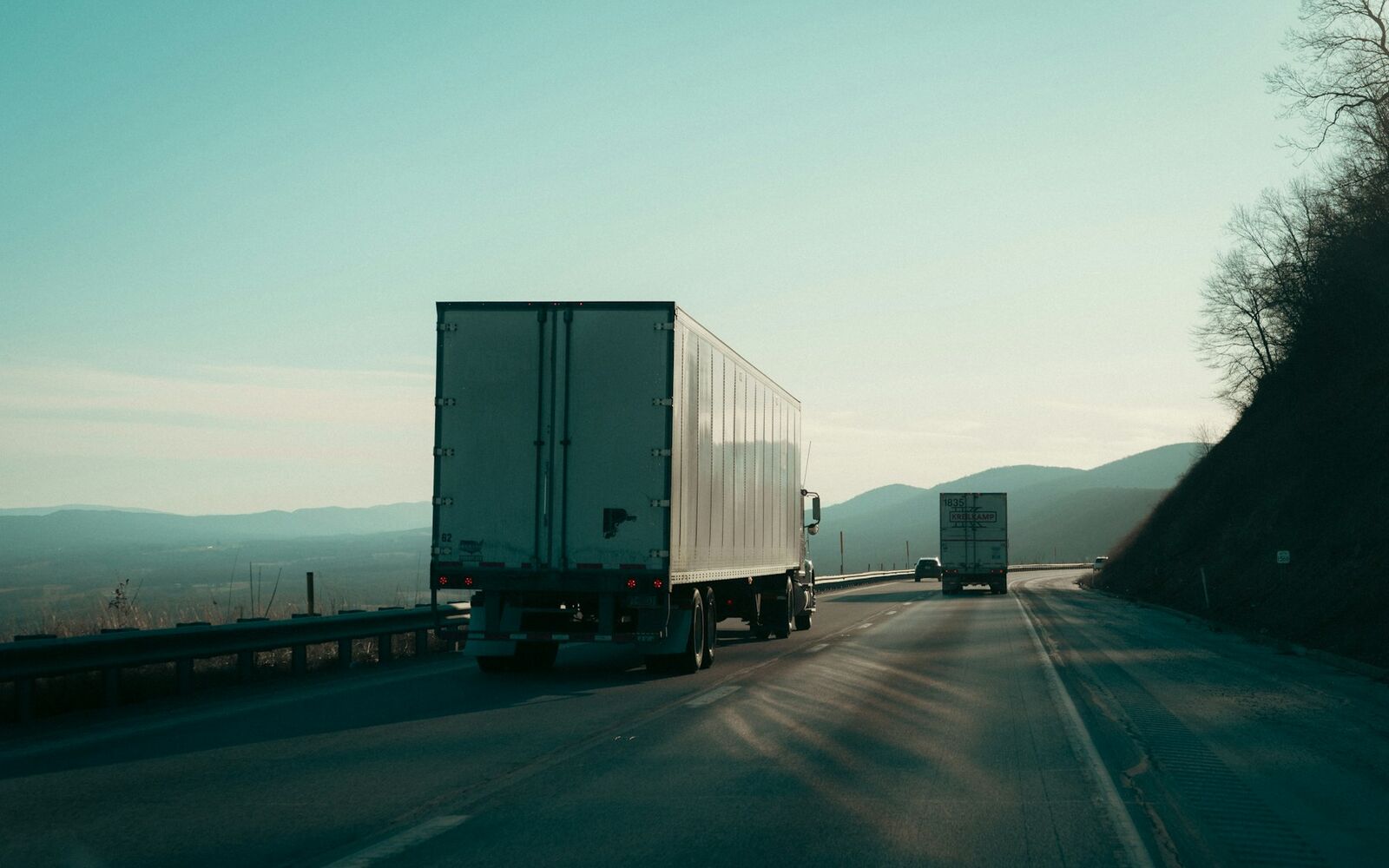
The European Union remains Turkey's largest export market, and thousands of companies in automotive components, textiles, appliances, food and many other sectors send goods to Europe every week. For that flow to run smoothly, Turkey to Europe export logistics has to be planned as a whole: route, transport mode, border crossing and documentation all need to work together. Based in Gebze, Özd Global operates this corridor every day, linking the manufacturing hubs of the Marmara region with distribution centres across Europe. In this guide we look at the transport options available, typical transit times, the documents required and the factors that drive cost.

Transport Options to Europe
Four main modes dominate exports to Europe, each with its own strengths:
- Full truckload (FTL): Trucks cross into Bulgaria at Kapikule or Hamzabeyli and continue through the Balkans to Central and Western Europe. Door-to-door service with maximum flexibility.
- Groupage (LTL): Smaller consignments are consolidated at our Gebze hub and deconsolidated at a European distribution centre, with weekly departures on regular lanes.
- Ro-Ro plus road: Trucks or trailers sail from Turkey's western ports to Italy or France and complete the journey by road. This cuts border waiting times and eases driver-hour constraints.
- Sea freight container: For bulky, less time-sensitive cargo, direct and transhipment services connect Marmara ports with Northern and Western European ports.
Intermodal solutions combining rail and road are also increasingly popular for Germany, Austria and the Benelux countries. We combine our road freight and sea freight services according to the nature of the cargo to build the most suitable set-up.
Typical Transit Times
Times vary with the season, border congestion and customs processing, but for a shipment departing Gebze the general picture is as follows:
| Destination | Full truckload | Ro-Ro plus road | Sea container |
|---|---|---|---|
| Balkans and Greece | 2-4 days | - | 5-8 days |
| Central Europe (Germany, Austria, Czechia) | 4-7 days | 5-8 days | 10-16 days |
| Western Europe (France, Benelux) | 5-8 days | 5-9 days | 12-18 days |
| UK and Scandinavia | 7-10 days | 7-11 days | 14-22 days |
These figures assume customs formalities are completed without issue; missing paperwork can cost days at the border. Any Turkey to Europe export logistics plan should build that margin in from the start.
Border Crossings and Customs
Thanks to the Customs Union between Turkey and the EU, industrial goods are not subject to customs duty, but that does not mean customs formalities disappear. The export declaration is closed in Turkey and the import declaration in the destination country. Queues can form at Kapikule and Hamzabeyli during peak periods, and trucks enter the EU through Bulgaria under a TIR carnet or a T1 transit declaration.
Our customs clearance team prepares declarations in advance and coordinates with the consignee's customs broker, keeping waiting times at the border to a minimum.
Document Checklist
A typical export to Europe requires:
- Commercial invoice and packing list
- A.TR movement certificate (Customs Union benefit for industrial goods)
- EUR.1 or certificate of origin (agricultural products and certain special cases)
- CMR consignment note
- Export declaration and T1 or TIR transit document
- Product-specific documents: CE declaration, health certificate, test reports
Tip: Make sure the A.TR certificate matches the invoice and packing list exactly. Small discrepancies in product description, quantity or weight are among the most common reasons for additional inspection and delay at the destination customs office.
What Drives the Cost
The cost of Turkey to Europe export logistics cannot be reduced to a single figure; freight rates fluctuate with:
- Fuel prices and European motorway tolls
- Season (summer months and year-end peaks)
- Availability of return loads (empty return legs are priced into the rate)
- Volume, weight and special equipment needs (reefer, low-bed, ADR)
- Border waiting times and additional services such as insurance and storage
For regular shippers, annual agreements based on volume provide both price stability and guaranteed capacity. As rates change constantly, we recommend requesting a quotation before each shipment.
Planning Recommendations
The most frequent problems in Turkey to Europe export logistics are document mismatches, inadequate palletisation and missed delivery appointments. To avoid them:
- Use European-standard (EUR) pallets and packaging suitable for stacking.
- Find out in advance whether the consignee uses a slot-booking system for deliveries.
- Factor weekend and public-holiday driving bans into the schedule.
- Share shipment details with the consignee and customs broker before departure.
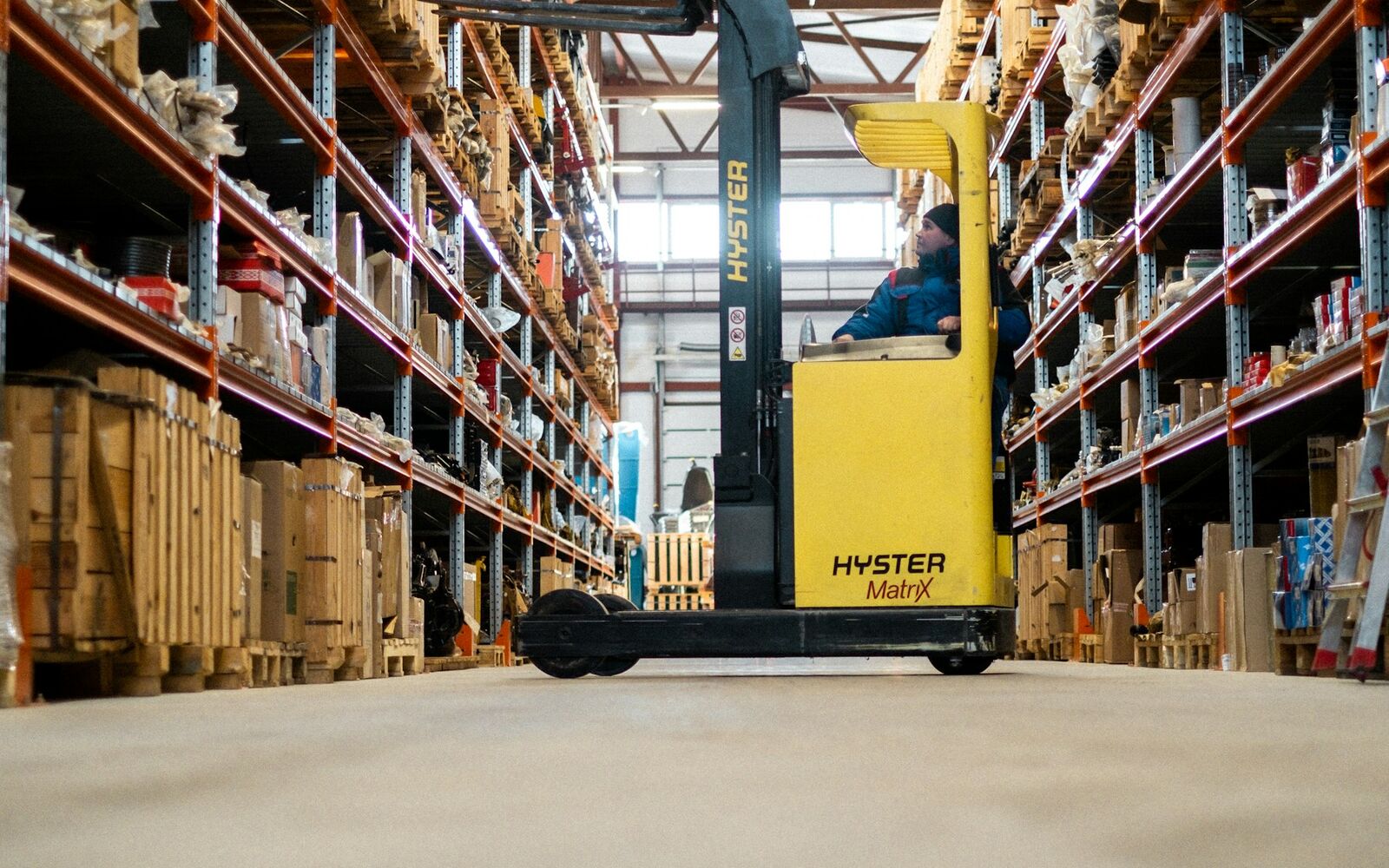
With our warehousing infrastructure in Gebze, Özd Global offers consolidation, labelling and palletising under one roof, shortening the preparation phase for exporters.
Frequently Asked Questions
How long does groupage freight to Europe take? Because consolidation and distribution steps are added, groupage typically takes two to three days longer than a full load. From Gebze to Central Europe, 6-9 days with weekly departures is a typical range.
Is Ro-Ro or road more advantageous? It depends on urgency and destination. For Italy, France and Spain, Ro-Ro is often more predictable, while road is faster for Germany and Eastern Europe. Özd Global prices both options side by side so you can compare.
Why are documents still required under the Customs Union? The Customs Union removes duty, but export and import declarations, the A.TR certificate and transport documents remain mandatory. VAT, product safety and labelling rules are also enforced under EU legislation.
Success in the European market depends as much on reliable delivery as on product quality. Let us plan the right mode, route and documentation for your Turkey to Europe export logistics together. Write to us through our contact page or call Özd Global on +90 551 462 41 34, and we will share a same-day quotation from Gebze to any point in Europe.