

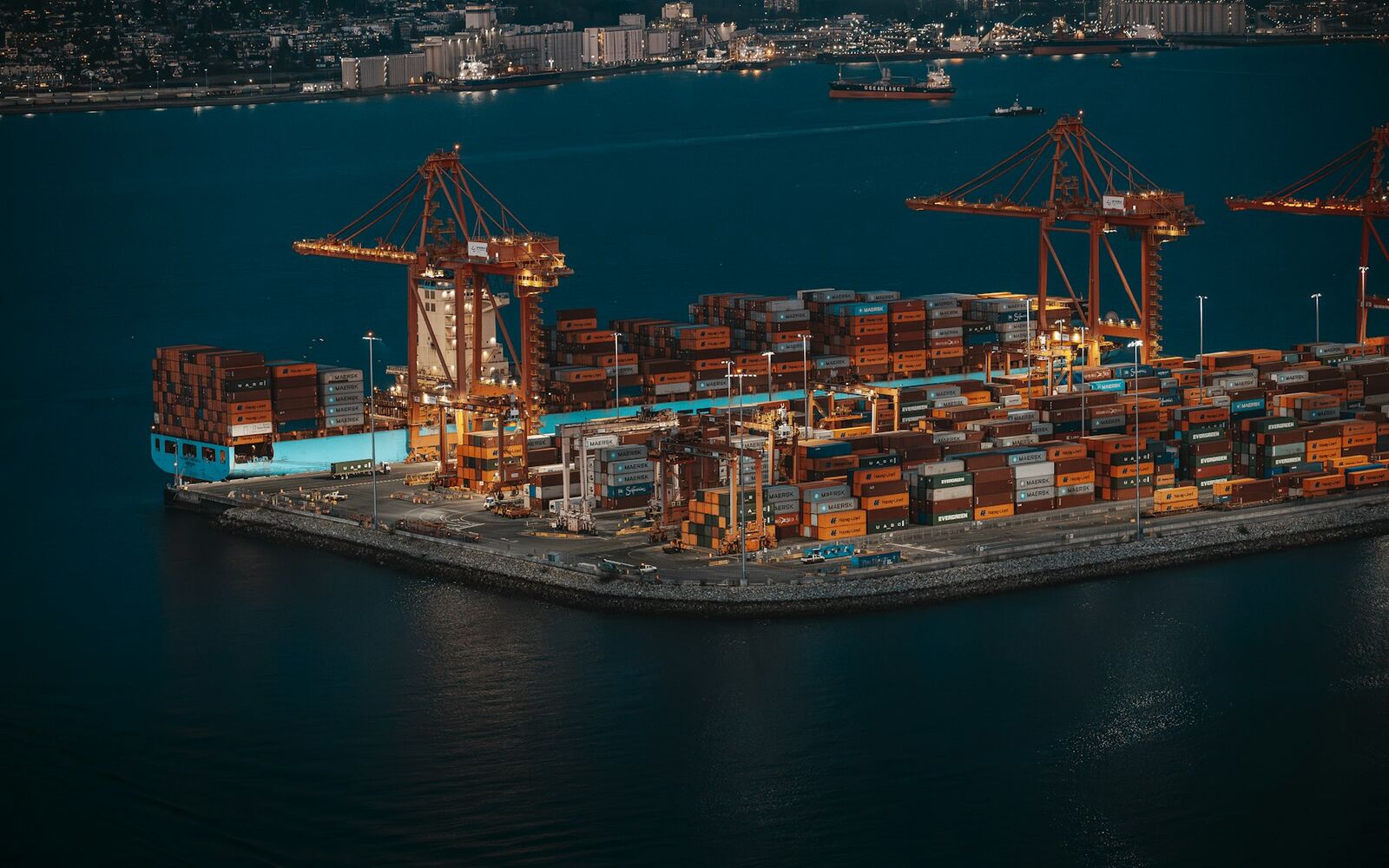
Sooner or later, every company that imports or exports by sea asks the same question: what is demurrage, and why has it appeared on my invoice? In short, demurrage is a daily charge that accrues when a container is not collected from the port (imports) or loaded onto the vessel (exports) within the free time granted by the shipping line. This minor-looking line item can quickly outgrow the ocean freight itself when customs, documents or warehouse space fall behind. This guide explains what demurrage is, how it differs from detention, how it is calculated, and the methods Özd Global uses to keep these costs off your invoices.

What Is Demurrage? The Basic Definition
In container shipping, the carrier allocates a container to you free of charge for a defined period. For imports, this free time starts when the vessel arrives at the port; for exports, it starts when the laden container enters the terminal. Once free time expires and the container is still sitting in the port area, the carrier charges demurrage for each additional day. Its purpose is to keep containers circulating and equipment working productively.
Who Is Responsible for Demurrage?
Responsibility follows the parties named on the bill of lading and the Incoterms rule in the sales contract. Under FOB, CIF and CFR terms, destination demurrage usually falls on the buyer. Clarify at the contract stage how much free time applies and who bears any charges.
Demurrage vs. Detention: What Is the Difference?
The two terms are often confused. The table below summarises the distinction:
| Charge | Where it arises | When it starts | Who pays |
|---|---|---|---|
| Demurrage | Inside the port or terminal | When free port time expires | Consignee/shipper on the bill of lading |
| Detention | Outside the port, at the customer's premises | When the return deadline is missed after gate-out | The party holding the container |
| Port storage | Inside the terminal | When the terminal's own free period ends | The terminal customer |
Put simply, demurrage concerns waiting inside the port, while detention concerns waiting outside it. Some carriers merge the two under a "combined free time" arrangement covering both inside and outside use.
How Is Demurrage Calculated?
Demurrage is usually calculated on a progressive tariff. After free time ends, the first few days carry a lower daily rate, and subsequent tiers are noticeably more expensive. Factors that influence the calculation include:
- Container type and size: 40' HC and reefer units carry higher daily rates than a standard 20' box.
- Carrier and trade lane: Each line applies its own tariff, and rates differ between Far East and transatlantic routes.
- Port and country: Free time may be 3-5 days at some ports and 7-14 days at others.
- Season and congestion: Carriers may shorten free time during peak periods.
Daily rates typically start at tens of dollars per container and can exceed one hundred dollars in later tiers; the exact figure depends on the carrier, the port, and the tariff in force. For reefer containers, plug-in electricity charges are added on top, so total costs can escalate rapidly.
The Most Common Causes of Demurrage
In our experience, demurrage most often arises from the following:
- Missing or incorrect documents: Late original bills of lading, mismatches between invoice and packing list.
- Extended customs procedures: Physical inspection, laboratory analysis, or pending permits.
- Payment delays: Duties and freight not settled on time.
- Poor planning: Warehouse space not ready, trucks arranged too late.
- Port congestion: Terminal bottlenecks preventing timely pick-up.
Tip: Complete your document check before the vessel arrives, have duties calculated in advance, and book trucks against the estimated time of arrival. These three steps eliminate most demurrage risk.
How to Avoid Demurrage Costs
At the Contract Stage
When comparing freight quotes, look beyond the price to the free time offered. Özd Global negotiates with carriers on behalf of customers to secure additional free time suited to the route and confirms it in writing; for regular shippers, extensions are usually achievable.
During the Operation
Preparing the customs declaration before the vessel arrives can shorten the gate-out process by days. Our customs clearance service includes pre-checking documents, accurate HS code classification to reduce inspection risk, and full document management. Our sea freight team then handles container tracking, terminal appointments, and truck planning from a single point of contact.
Gain Flexibility with Warehousing
If your own warehouse is not ready, moving the container to a bonded or general warehouse is far cheaper than leaving it at the port. Our warehousing and distribution facilities in Gebze let you unload quickly and return the container, cutting both demurrage and detention exposure.
What to Do If You Receive a Demurrage Invoice
First, check the day count: the start date of free time and how public holidays and port closure days were treated. Some lines exclude weekends; others count calendar days. If the delay was caused by the carrier or the terminal (equipment failure, system outage), you have grounds to dispute the charge. Özd Global account managers handle correspondence with the line and prepare a reasoned dispute file in such cases.
Frequently Asked Questions
How many days of free time apply to demurrage?
For standard containers, 5-7 calendar days is common on most lines; reefers and special equipment may get less. Extensions of 10-21 days can be negotiated in return for regular volumes. Remember that free time varies by carrier and port.
Can a container leave the port before demurrage is paid?
Generally no. The carrier will not release the delivery order until accrued demurrage has been settled. That is why it is important to spot the problem early and start the payment or dispute process immediately.
Does demurrage apply to exports too?
Yes. If a laden container enters the port early and the sailing is postponed, or the container is rolled to a later vessel, the exporter can also face demurrage. Vessel schedule changes should be monitored closely.
The answer to "what is demurrage" is straightforward, but keeping the cost under control takes careful planning and an experienced logistics partner. Based in Gebze, Özd Global manages the entire process, from freight negotiation to customs clearance and warehousing, so unexpected waiting charges never catch you off guard. To reduce demurrage risk in your container operations, reach us through our contact page or call +90 551 462 41 34.