

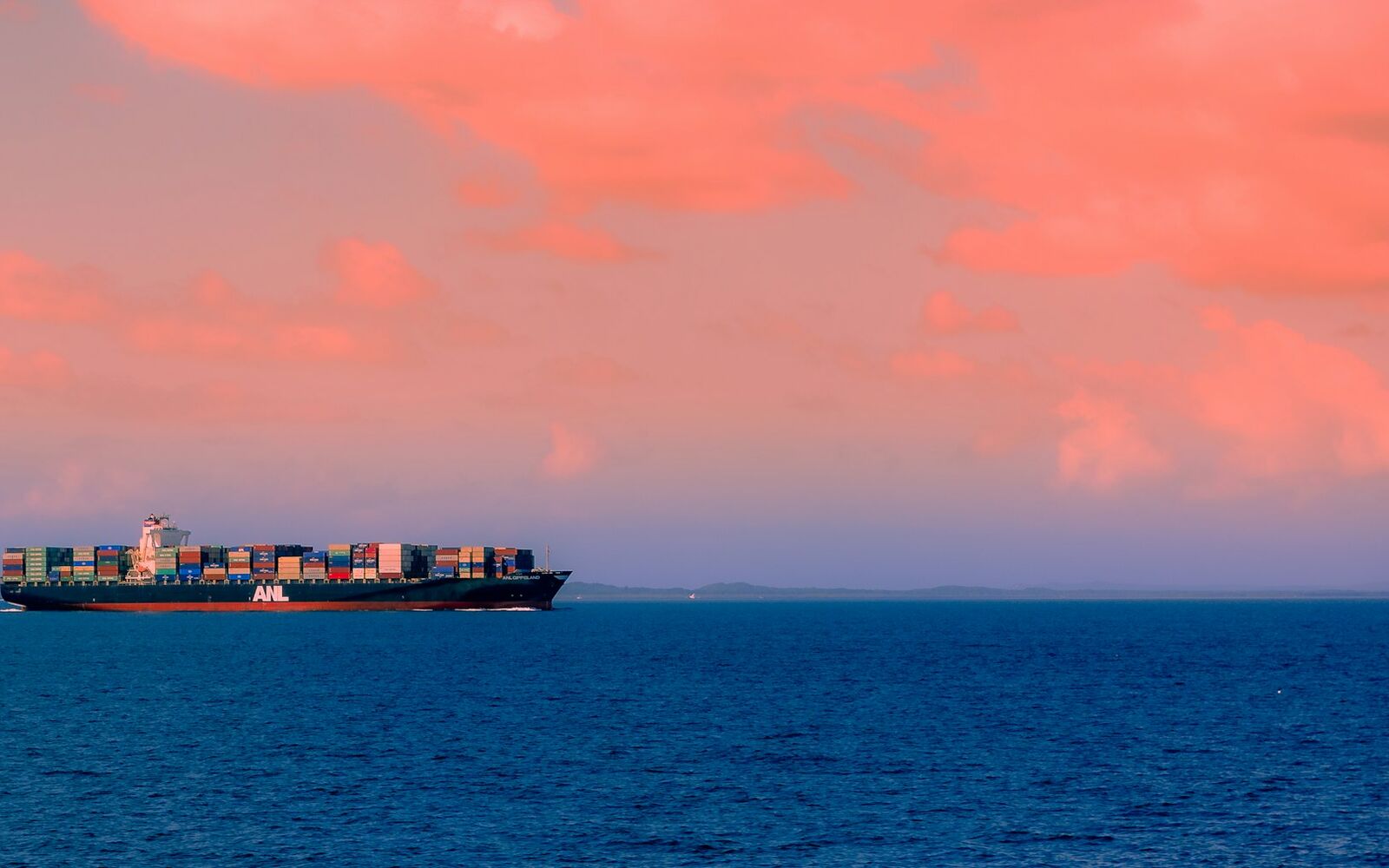
One of the first terms any company new to international trade encounters is the ocean freight charge. So what is ocean freight charge, exactly? Put simply, it is the price paid to a carrier for transporting cargo from one point to another by sea. The concept originates in maritime transport and is still most commonly used for container and bulk shipments, although the word "freight" is used in the same sense for road and air movements as well. Understanding how the charge is built, what it includes and who pays it is the first step towards calculating your export and import costs accurately. In this article, Özd Global explains the ocean freight charge, its components and the factors that drive it.

What Is Ocean Freight Charge? Definition and Scope
The ocean freight charge is the basic fee paid under a contract of carriage for moving the goods. In sea transport, that contract is evidenced by the bill of lading, which states whether the freight is "prepaid" or "collect" (payable at destination). The charge covers only the carriage on board the vessel; port charges, customs clearance, insurance and inland haulage are separate items. When comparing quotes, always clarify whether you are looking at an all-in price or the ocean freight alone.
Types of Ocean Freight
- Container freight: A fixed rate per 20' or 40' container (FCL) or a rate per m³/tonne (LCL).
- Bulk freight: Calculated per tonne for commodities such as coal, grain and ore.
- Breakbulk freight: Set according to volume, weight and handling difficulty for project and heavy cargo.
- Charter freight: Hiring an entire vessel or part of it for a period or a voyage.
Components of the Ocean Freight Charge
A sea freight quote usually consists of a base rate plus a series of surcharges:
| Item | Description |
|---|---|
| Base freight | Carriage cost per container or per tonne |
| BAF / FAF | Adjustment factor linked to fuel prices |
| CAF | Adjustment for currency fluctuations |
| PSS | Peak season surcharge |
| THC | Terminal handling charges at origin and destination |
| Canal transit fee | Applied on Suez or Panama transits |
| Documentation fee | Bill of lading issuance |
| Low sulphur / ETS surcharges | Items linked to environmental regulation |
Surcharges change periodically and vary by carrier. A quote that itemises each element is far easier to compare.
Factors That Influence the Ocean Freight Charge
- Route and distance: There is a large gap between the Far East lane and intra-European services.
- Supply and demand: Empty container availability and vessel capacity set the price directly.
- Seasonality: Demand ahead of Chinese New Year and in late summer pushes rates up.
- Cargo type: Dangerous goods (IMO), reefer and out-of-gauge cargo attract extra charges.
- Fuel prices: Passed through via the BAF.
- Contract type: Spot rates and long-term contract rates can sit at very different levels.
- Geopolitical events: Canal closures or rerouting increase costs.
Tip: Evaluate a freight quote not just by the total figure but by its validity period, free time, whether surcharges are included, and transit time. The cheapest quote is not always the most economical choice.
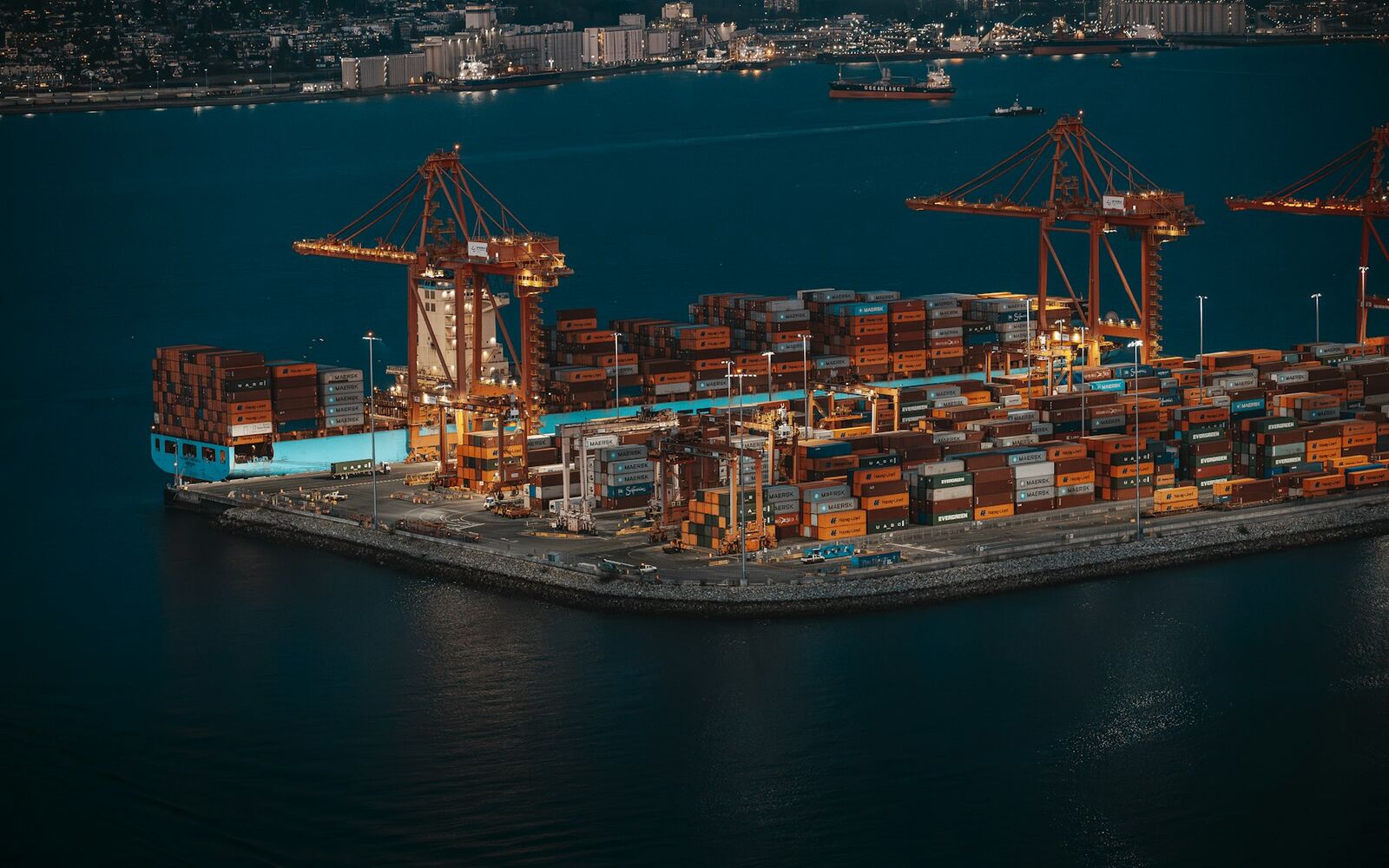
Who Pays the Freight? The Incoterms Link
Which party pays the ocean freight charge is determined by the Incoterms rule in the sales contract:
- EXW and FCA: The buyer pays the main carriage.
- FOB: The seller loads the goods on board; ocean freight is for the buyer's account.
- CFR and CIF: The seller pays the freight (and insurance under CIF); risk passes to the buyer on loading.
- CPT and CIP: The seller pays carriage to the named destination.
- DAP and DDP: The seller bears all transport costs to the destination.
Choosing the wrong Incoterms rule can expose you to unexpected freight and port costs. Our sea freight team states clearly at the quotation stage which costs fall on you under the agreed delivery term.
Costs Beyond the Freight Charge
The ocean freight charge is only one part of your total logistics cost. Other elements include:
- Inland haulage from factory to port (road freight)
- Origin and destination port charges
- Customs declaration and brokerage (customs clearance)
- Cargo insurance
- Duties and taxes in the destination country
- Warehousing and distribution
Özd Global presents customers with a door-to-door quote covering all of these items so there are no surprise costs.
How to Save on Ocean Freight
- Negotiate annual contract rates with carriers if you have regular volumes.
- Stow cargo efficiently and consider a 40' HC where it fits.
- Book early ahead of peak season.
- Evaluate FCL once LCL volume exceeds about 15 m³.
- Track surcharge validity dates and plan loading accordingly.
Because Özd Global works with multiple carriers, we can find the most suitable combination of rate and service on every trade lane.
Frequently Asked Questions
How is the ocean freight charge calculated?
For container shipments it is a fixed rate per container; for LCL it is based on m³ or tonne, whichever is higher; for bulk cargo it is per tonne. BAF, THC and seasonal surcharges are then added to the base rate.
Is ocean freight the same as shipping cost?
In everyday language the terms are often interchangeable, but ocean freight refers specifically to the main sea carriage. Shipping cost may cover the entire door-to-door movement.
How long is a freight quote valid?
Spot quotes are usually valid for 15-30 days, and surcharges may be updated at the start of each month. Contract rates can remain fixed for 3-12 months, although some surcharges stay variable.
The answer to "what is ocean freight charge" may look simple, but pricing correctly requires understanding every component and risk. Based in Gebze, Özd Global provides transparent, comparative freight quotes for sea, road and air shipments. For a current freight quote on your cargo, visit our contact page or call +90 551 462 41 34.