If you buy or sell goods across borders, sooner or later you will need Incoterms 2020 explained in practical terms. Incoterms are standardised trade terms published by the International Chamber of Commerce (ICC). They define how costs, risks and responsibilities are divided between buyer and seller in an international sale. The current edition, Incoterms 2020, took effect on 1 January 2020 and contains 11 rules. Each rule settles where goods are delivered, who pays freight, who insures and when risk passes to the buyer. At Özd Global, our Gebze-based team works with these rules daily and helps clients choose the term that best protects their margins and cargo.

Why Incoterms 2020 Matter
At its core, Incoterms 2020 explained simply means answering who pays for what and where risk changes hands. Without an agreed delivery term, a sales contract leaves obvious questions open: who pays the ocean freight, and who is liable if a pallet is damaged at the port? Incoterms 2020 remove that ambiguity. A three-letter code such as FOB or DAP, plus a named place, tells both parties exactly what they have signed up for.
Note what Incoterms do not cover: transfer of ownership, payment terms and remedies for breach of contract all belong in the sales agreement itself.
The 11 Incoterms 2020 Rules
The rules fall into two groups: those for any mode of transport, and those designed only for sea and inland waterway shipments.
Rules for Any Mode of Transport
- EXW (Ex Works): The seller makes the goods available at its premises; loading and everything after is the buyer's cost and risk.
- FCA (Free Carrier): The seller hands the goods to the carrier nominated by the buyer and clears them for export.
- CPT (Carriage Paid To): The seller pays freight to destination, but risk passes on handover to the first carrier.
- CIP (Carriage and Insurance Paid To): CPT plus comprehensive cargo insurance arranged by the seller.
- DAP (Delivered at Place): The seller delivers the goods at the named destination, ready for unloading.
- DPU (Delivered at Place Unloaded): The seller delivers and unloads at the named place; it replaced DAT.
- DDP (Delivered Duty Paid): The seller takes on everything, including import clearance and duties.
Rules for Sea and Inland Waterway Transport Only
- FAS (Free Alongside Ship): Goods are placed alongside the vessel at the port of shipment.
- FOB (Free on Board): The seller loads the goods on board; risk passes once they are on the vessel.
- CFR (Cost and Freight): The seller pays freight to destination, yet risk passes on loading.
- CIF (Cost, Insurance and Freight): CFR plus minimum-cover insurance arranged by the seller.
Cost and Risk Allocation at a Glance
Who handles the main obligations under the most common terms:
| Rule | Export Clearance | Main Carriage | Insurance | Import Clearance | Risk Transfers At |
|---|---|---|---|---|---|
| EXW | Buyer | Buyer | Buyer | Buyer | Seller's premises |
| FCA | Seller | Buyer | Buyer | Buyer | Handover to carrier |
| FOB | Seller | Buyer | Buyer | Buyer | On board the vessel |
| CIF | Seller | Seller | Seller | Buyer | On board the vessel |
| DAP | Seller | Seller | Optional | Buyer | Named destination |
| DDP | Seller | Seller | Optional | Seller | Named destination |
The most misunderstood part of this table is the C group (CPT, CIP, CFR, CIF): the seller pays for carriage, yet transit risk already sits with the buyer.
What Changed from Incoterms 2010 to 2020
Incoterms 2020 kept the system intact but introduced updates that matter in practice:
- DAT became DPU. Delivery can now take place anywhere unloading is possible, not only at a terminal.
- Higher insurance under CIP. CIP now requires broad cover (comparable to Institute Cargo Clauses A), while CIF keeps minimum cover.
- On-board bill of lading under FCA. In letter-of-credit deals, the buyer can instruct the carrier to issue an on-board bill of lading to the seller.
- Own-transport clarified. A buyer or seller may now explicitly use its own vehicles instead of a third-party carrier.
- Security obligations spelled out. Transport security costs are listed within each rule.
How to Choose the Right Term
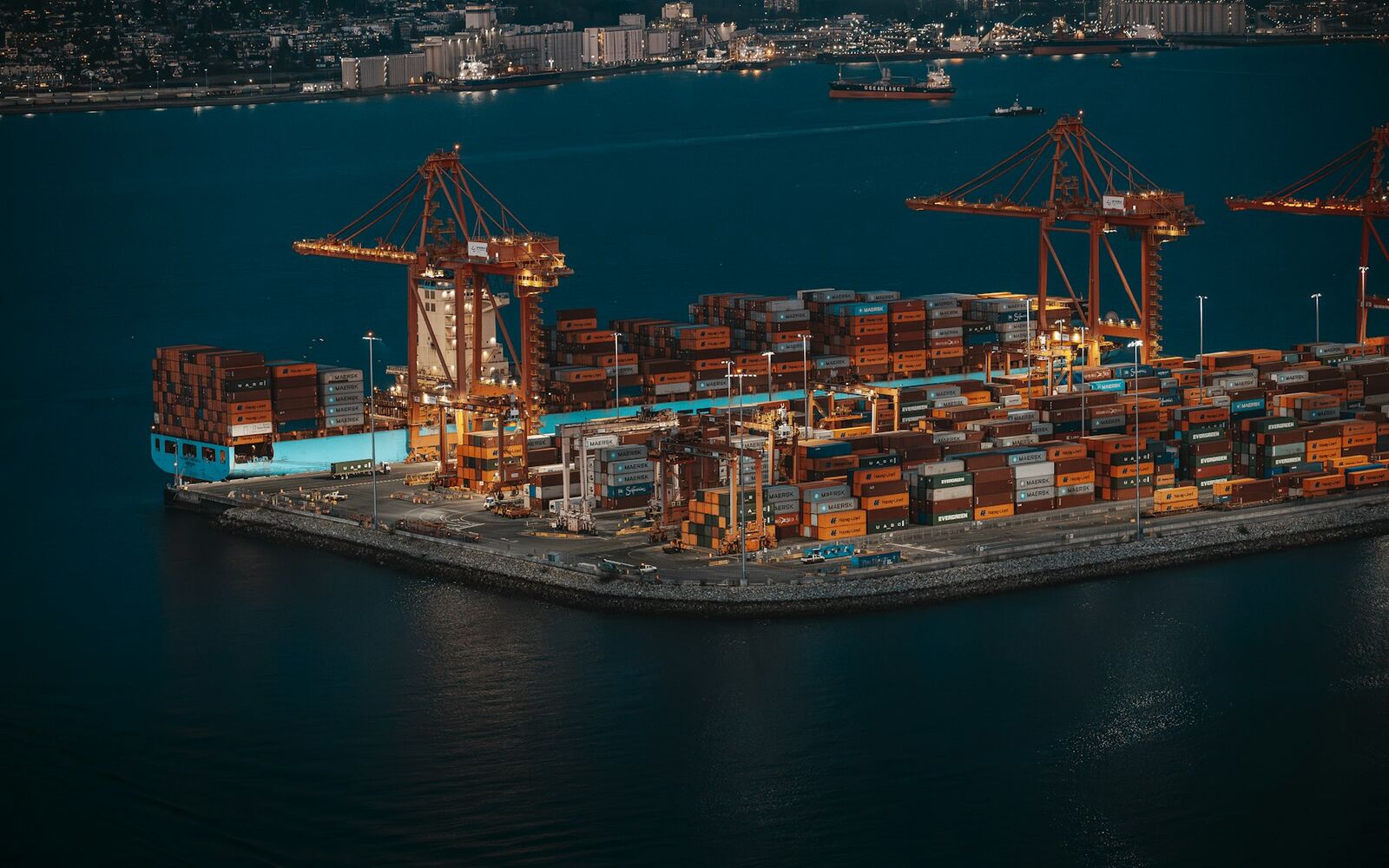
The best term depends on the value of the goods, the transport mode, each party's logistics experience and the payment method. For containerised cargo, FCA is usually better than FOB, because containers are handed over at the terminal, not lifted on board. In our sea freight operations, this distinction decides who is responsible when damage occurs at the container yard.
Tip: Always add a precise named place after the term. "FOB Turkey" invites argument; "FOB Port of Gemlik, Incoterms 2020" leaves no room for interpretation.
Exporters trucking goods to Europe usually choose FCA or DAP. In our road freight service we remind clients that under DAP the buyer unloads at destination. If you would rather not manage formalities yourself, our customs clearance team handles both export and import declarations.
Common Mistakes to Avoid
Even with Incoterms 2020 explained in detail, these errors keep recurring in practice:
- Choosing EXW and still expecting the seller to handle export clearance.
- Using FOB for container shipments, leaving terminal damage in a grey zone.
- Quoting DDP without checking VAT and duty rules at destination.
- Assuming CIF insurance is comprehensive when it only provides minimum cover.
Each of these pitfalls can be avoided by talking to the Özd Global team before you quote; Özd Global reviews the term and the named place together with your price.
Frequently Asked Questions
Are Incoterms 2020 legally binding? Not by themselves. They become binding when the parties incorporate them into the contract. Always write "Incoterms 2020" explicitly; otherwise an older edition or a local interpretation may apply.
Can I still use Incoterms 2010? Yes, if both parties agree, though most guides with Incoterms 2020 explained recommend moving on. However, Incoterms 2020 reflect current logistics practice more accurately and should be the default for new contracts.
Which term is safest for an exporter? There is no universal answer. FCA is balanced because the seller transfers risk at a point it controls; exporters offering a premium service can use DAP instead.
Having Incoterms 2020 explained is one thing; applying them to your trade lanes is another. Özd Global helps you select the most advantageous term from quotation to final delivery. Reach us through our contact page or call +90 551 462 41 34 to discuss your next shipment.