


Nationwide distribution in Turkey is the art of delivering your products to a customer base spread across 81 provinces at the right time, at the right cost and without damage. In a country surrounded by sea on three sides and stretching more than two thousand kilometres from west to east, distribution planning means juggling warehouse location, vehicle type, route optimisation and regional transfer hubs all at once. In this article, Özd Global explains how a Gebze-based distribution network is built, the choice between groupage and full-truck loads, realistic transit times and the methods that bring distribution costs down.

The Centre of the Network: Why Marmara?
A large share of Türkiye's population and industrial output is concentrated in the Marmara region. The Istanbul, Kocaeli, Bursa and Tekirdağ corridor is both the biggest consumer market and the biggest manufacturing base. A distribution centre in Gebze reaches this market the same day while sitting at the start of the motorways heading into Anatolia. Ankara is roughly four to five hours away, İzmir around five hours thanks to the Osmangazi Bridge, and Adana or Gaziantep are within a day's drive.
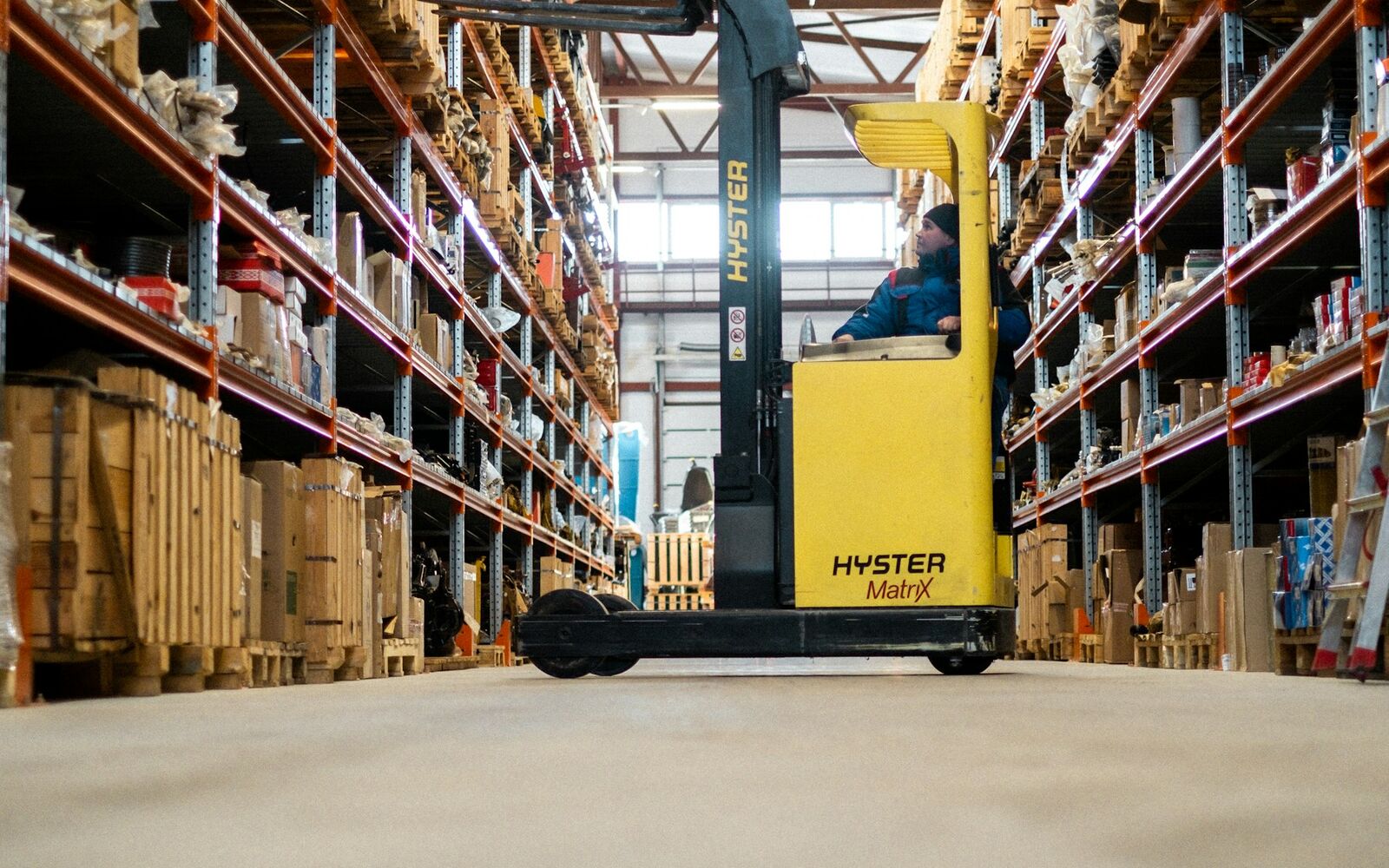
This is exactly why Özd Global's warehousing and distribution centre is located in Gebze. Imported goods arriving from the ports and the airport are received into the warehouse and split into regional loads according to the nationwide distribution plan.
Groupage or Full Truck?
The most basic distribution decision is how the load will travel. Each model has its own strengths:
- Full truckload (FTL): The vehicle is dedicated to you; there is no transhipment, so speed and security are high. Ideal for large volumes going to a single address.
- Less than truckload (LTL): The vehicle is shared with other customers' cargo and the cost is split by volume. More economical for small and medium shipments to multiple addresses.
- Milk run: One vehicle visits several delivery points along a fixed route in sequence; common in retail and dealer networks.
- Hub-and-spoke: A line-haul truck runs to a regional hub, from where smaller vehicles complete the final delivery.
Making the Right Choice
As a rule of thumb, loads that fill more than half a vehicle are cheaper as a full truck, while smaller loads suit groupage. Product sensitivity, delivery-time expectations and the consignee's receiving hours can shift that balance.
Transit Times by Region
Typical delivery times for shipments departing Gebze are shown below. They may vary with weather, holiday traffic and the consignee's receiving schedule.
| Region | Example Provinces | Typical Transit Time |
|---|---|---|
| Marmara | Istanbul, Bursa, Kocaeli, Tekirdağ | Same day or next day |
| Aegean | İzmir, Manisa, Denizli | 1 day |
| Central Anatolia | Ankara, Konya, Kayseri | 1 day |
| Mediterranean | Antalya, Adana, Mersin | 1-2 days |
| Black Sea | Samsun, Trabzon, Rize | 1-2 days |
| East and Southeast | Gaziantep, Diyarbakır, Erzurum, Van | 2-3 days |
Tip: Never calculate transit time from driving hours alone. Receiving hours, dock availability and urban truck restrictions can add a full day. Sharing the delivery plan with the consignee in advance removes the single most common cause of delay.
Ways to Reduce Distribution Costs
The cost of nationwide distribution in Turkey depends on fuel, labour, toll charges and vehicle utilisation. The way to lower it permanently is not to find cheaper trucks but to design a better network:
- Consolidation: Orders for the same region are collected on fixed days and shipped on one vehicle.
- Route optimisation: Delivery sequence is planned with software that accounts for road conditions and receiving hours.
- Backhaul loads: A truck heading into Anatolia carries another customer's cargo on the way back, cutting empty kilometres.
- Regional stock: An intermediate warehouse in high-volume regions shortens the last-mile distance.
- Pallet standards: Standard pallets directly improve vehicle fill rates and handling speed.
Visibility and Proof of Delivery
In modern distribution, customers expect to know where their goods are. Vehicle tracking, driver-app proof of delivery with signature and photo, and exception alerts have become standard. In our road freight operations every shipment is monitored from loading to delivery, and the data feeds monthly performance reports that measure on-time delivery and damage rates.
Sector-Specific Requirements
Temperature logging in food and pharma, booked time slots in retail, doorstep returns in e-commerce, and dock height or forklift needs in industry all shape the distribution plan. For imported goods, running customs clearance and the distribution plan together significantly shortens the time from port to customer.
What to Look for in a Distribution Partner
Fleet size alone is not a sufficient yardstick. Your partner's nationwide hub network, regional partner structure, insurance cover, damage rate and reporting infrastructure matter at least as much as the number of trucks. Özd Global combines its own fleet with contracted regional networks to balance speed with cost.
Frequently Asked Questions
Which model is the most economical for nationwide distribution in Turkey? No single model wins in every case. Full trucks suit large single-address loads, while groupage or hub-and-spoke distribution suits small multi-address shipments. A mixed model based on your volume profile usually gives the best result.
Can a small company distribute across the whole of Turkey? Yes. Groupage services and shared distribution networks let small-volume companies reach every province without their own fleet. The key is consolidating shipments on regular dispatch days.
How is the distribution cost calculated? It is typically based on distance, weight or volume, number of delivery points and extra services such as time slots, forklift unloading or insurance. Because rates move with fuel prices and seasonal demand, a current quotation is essential.
For reliable and cost-effective delivery to every corner of Türkiye, you can rely on Özd Global's Gebze-based network. Write to us through our contact page or call +90 551 462 41 34 for a distribution plan and quotation tailored to your needs.