
Reverse logistics returns management has become one of the fastest-growing areas of logistics as e-commerce keeps expanding. A product's journey back from the customer to the supplier involves many steps: return acceptance, quality inspection, restocking, repair, repackaging or recycling. Where forward logistics is planned and predictable, the return flow is fragmented, small-scale and hard to control. In this article, Özd Global explains what reverse logistics is, how a returns process should be designed, which cost items matter and how a well-run returns operation adds value to a brand.

What Is Reverse Logistics?
Reverse logistics is the movement of goods from the point of consumption back upstream, either to recover value or to dispose of them properly. Its scope goes well beyond customer returns: warranty repairs, product recalls, collection of empty packaging and pallets, take-back of unsold end-of-season stock and recycling of scrapped items all fall under the same heading.
In forward logistics the aim is to deliver the product to the customer as fast and as cheaply as possible. In reverse logistics the aim is to recover as much value as possible from the returned item while protecting the customer experience. Both flows may share a warehouse, but they must run on separate processes.
The Steps of a Returns Process
Good reverse logistics returns management requires every step to be defined from the moment the product leaves the customer until its final disposition:
- Return request and authorisation: The customer opens a request, the system issues a return number and the return conditions are checked.
- Collection or parcel shipment: The item is collected from the customer or sent via a contracted carrier to the returns warehouse.
- Receipt and registration: Every incoming unit is matched to its return number and logged in the system.
- Inspection and grading: The item is examined and classified as resaleable, repairable, to be repackaged, scrap or return-to-vendor.
- Decision and routing: Resaleable goods go back to the shelf; everything else is routed to the relevant flow.
- Financial closure: Customer refund, supplier chargeback or insurance claim is completed.
Why Grading Matters Most
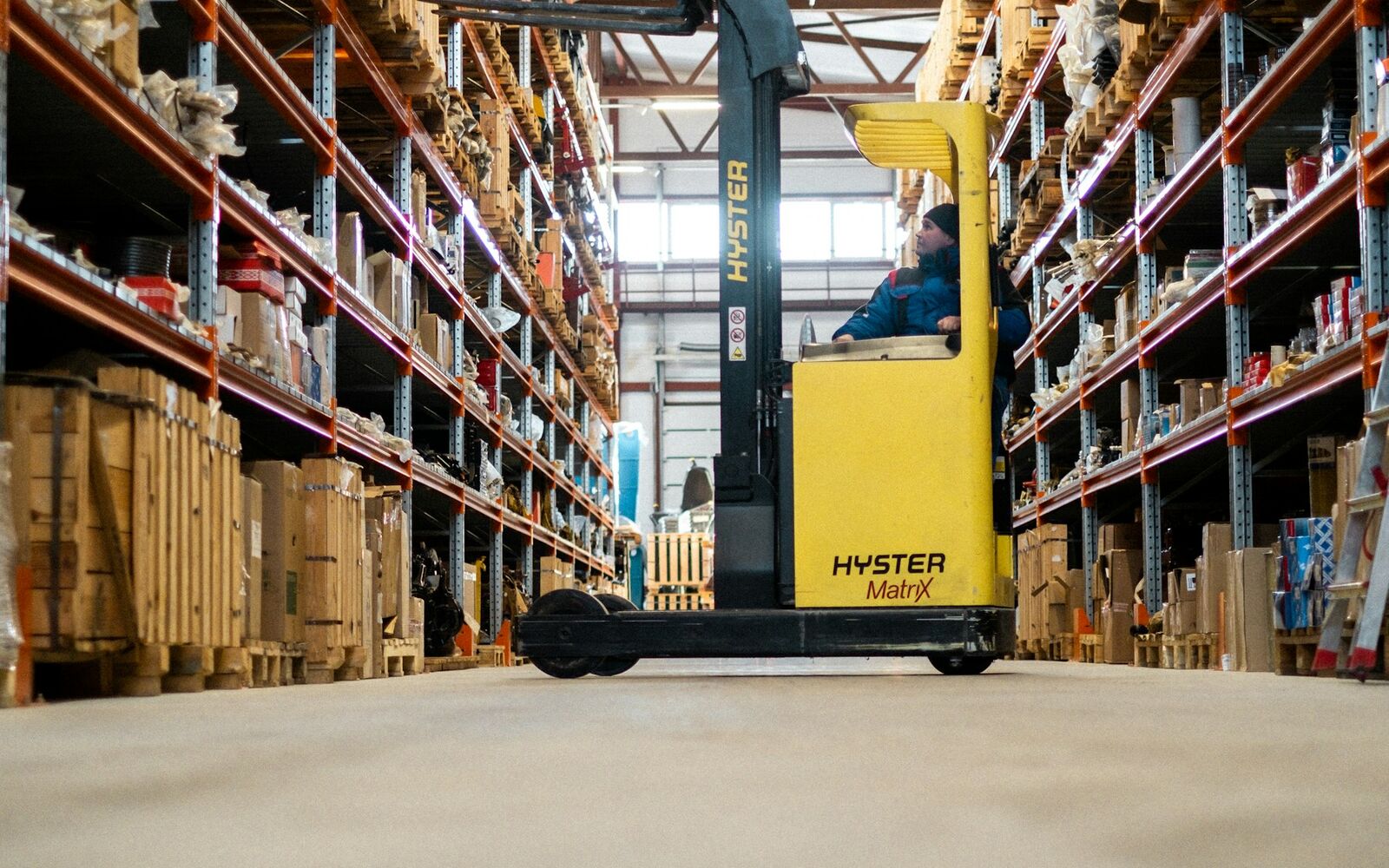
Inspection and grading is the most critical point in the process. Fast, accurate grading shortens the time resaleable stock takes to return to the shelf and protects cash flow. At Özd Global warehouses the returns receiving area is physically separated from forward operations, so returned items never get mixed into new outbound orders by mistake.
The Cost Items of Reverse Logistics
A poorly managed return can cost more than the product is worth. The table below summarises the typical cost drivers and how to reduce them.
| Cost Item | When It Rises | How to Reduce It |
|---|---|---|
| Transport (collection/parcel) | Many small individual returns | Consolidation, regional return points |
| Handling and inspection | Non-standard products | Checklists, barcode-based receiving |
| Inventory value loss | Slow decisions | Fast grading, clear decision rules |
| Repackaging | Damaged packaging | Durable, easy-open packaging design |
| Disposal and recycling | High scrap rates | Supplier agreements, licensed recyclers |
Costs vary widely by sector, product type and return rate; apparel and footwear see far higher return rates than electronics or food. This is why a sector-specific returns policy is essential.
Tip: Code every return reason and analyse the data monthly. If a particular size, colour or product description keeps coming back, the problem may lie in the product page or in production rather than in logistics.
Warehouse Layout and System Integration
Reverse logistics returns management needs a separate receiving dock, inspection benches, quarantine racking and a repackaging station inside the warehouse. The warehouse management system must match each item to its return number and push the grading result to the e-commerce or ERP platform in real time. In our warehousing and distribution services we report the returns flow on the same platform as outbound shipments, which helps clients shorten their refund cycle.

International Returns and the Customs Dimension
Returns from abroad call for a different kind of expertise. When an exported product comes back, duty-free re-entry may be possible under the returned goods regime, provided the export declaration, the reason for return and the time limits are fully documented. Our customs clearance team prepares the return declarations so that the goods come back to the warehouse without unnecessary duties. For bulk returns, we organise consolidated backhaul loads from Europe through our road freight network.
Product Recall Operations
In safety-related recalls, speed and traceability are vital. Lot-level records must show which batch went to which customer, collected items must be quarantined and disposal records must be kept on file.
How Good Returns Handling Builds Brand Value
An easy, fast returns process directly influences purchasing decisions. Shoppers buy with more confidence from brands whose return policy is clear. Reselling recovered items, lowering scrap rates and recycling packaging also support sustainability goals. At Özd Global we treat reverse logistics not as a cost centre but as an opportunity for customer loyalty and value recovery.
Frequently Asked Questions
What is the main difference between reverse and forward logistics? Forward logistics moves goods from supplier to customer, while reverse logistics manages the flow back from the point of consumption. The forward flow is planned and consolidated; the reverse flow is irregular and fragmented, so it needs its own processes and space.
Can a logistics provider reduce the return rate? Partly. Returns caused by damaged deliveries can be cut with proper packaging and transport, whereas returns driven by size, colour or expectation are solved on the product-information and sales side. Return-reason analysis guides both.
Is import duty payable on goods returned from abroad? Under certain conditions, duty-free re-entry is possible under the returned goods regime. Export documents, time limits and the requirement that the goods come back in the same condition are assessed case by case.
The Özd Global team is ready to help you design your returns operation end to end, reduce costs and raise customer satisfaction. To learn about returns receiving, inspection and restocking services at our Gebze warehouses, visit our contact page or call +90 551 462 41 34.