
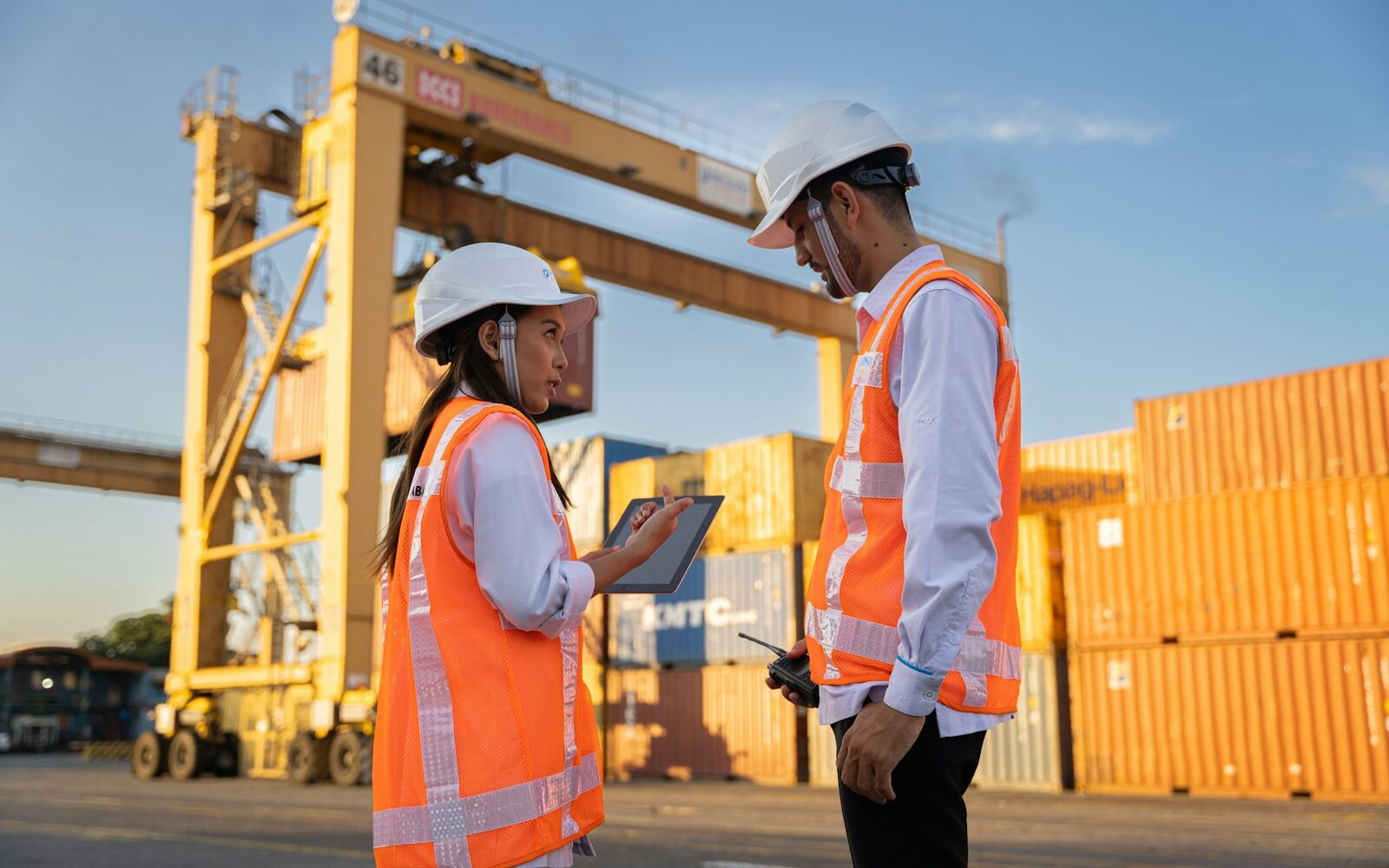
What is 3PL logistics? It is a question every growing business asks itself at some point. 3PL stands for third-party logistics: instead of running warehousing, order fulfilment, transport, distribution and customs clearance in-house, a company hands these processes to a specialised external provider. Set up correctly, the 3PL model turns fixed investments into variable costs, lifts the operational burden and lets the business focus on what it does best. In this article, Özd Global explains the scope of 3PL, the logistics levels from 1PL to 5PL, which companies gain the most from the model and what to look for when choosing a 3PL partner.

What Is 3PL Logistics and What Does It Cover?
Third-party logistics means that the physical flow between a producer or seller and the end customer is managed by an outside specialist. Depending on the company's needs, the scope can range from a single service to an end-to-end operation:
- Warehousing and inventory management
- Order picking, packing and labelling
- Domestic distribution and final delivery
- International transport by road, sea and air
- Customs clearance and foreign trade documentation
- Returns handling and reverse logistics
- Reporting and stock visibility
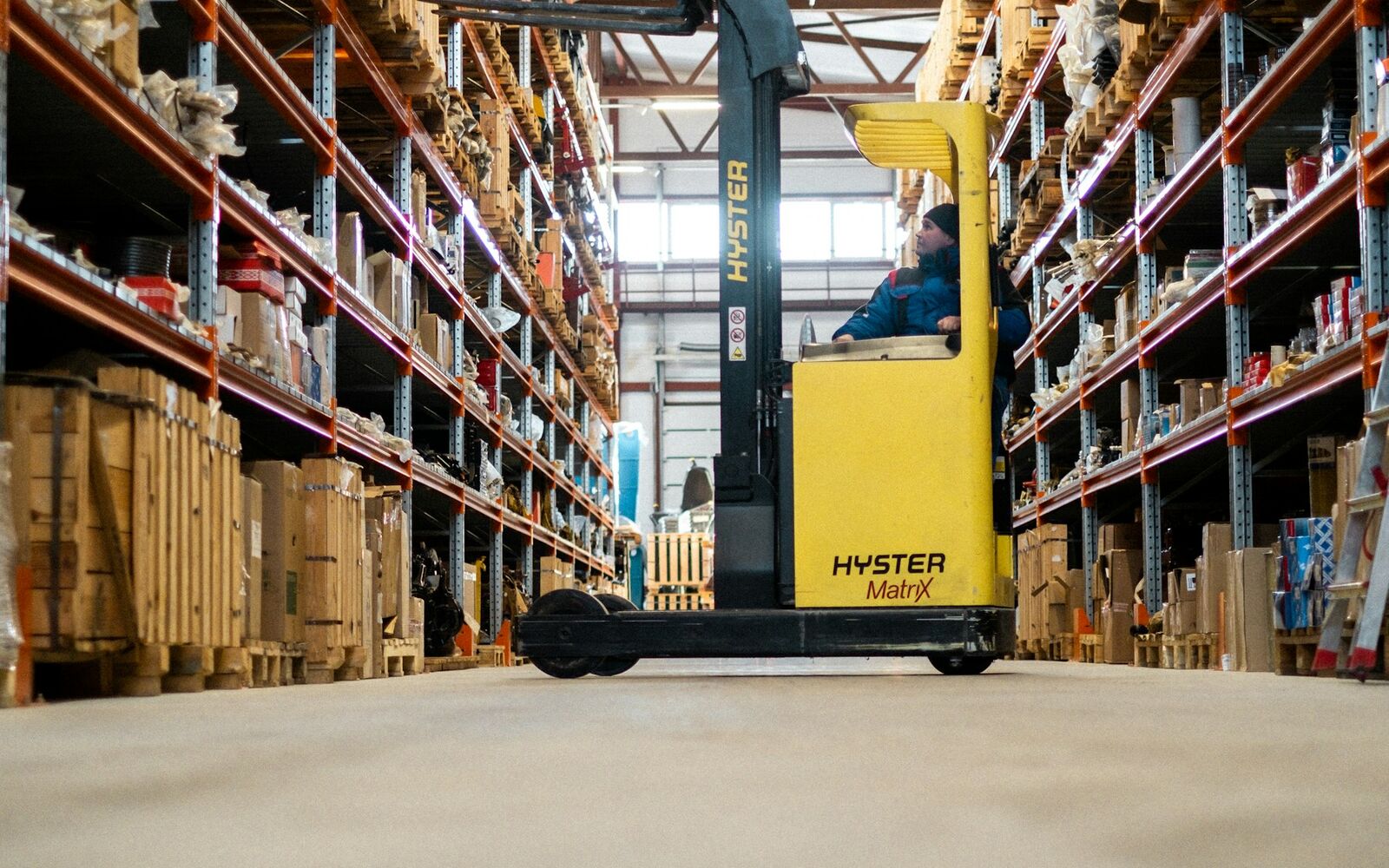
Özd Global's warehousing and distribution services deliver this entire scope from our Gebze facilities under a single contract.
Logistics Levels: From 1PL to 5PL
The easiest way to understand 3PL is to compare it with the other levels. The table below summarises who runs each level and how.
| Level | Definition | Typical Example |
|---|---|---|
| 1PL | The company moves its own goods with its own vehicles | A manufacturer delivering with its own van |
| 2PL | Only the transport leg is outsourced | A one-off contract with a haulage company |
| 3PL | Warehousing, handling and transport are outsourced together | A logistics provider running the warehouse and distribution |
| 4PL | The whole supply chain is managed by a single integrator | A lead firm coordinating several 3PLs |
| 5PL | Technology-driven, network-based supply chain management | Platform-level optimisation across multiple clients |
Most SMEs in Türkiye are at the point of moving from 2PL to 3PL. That move closes the gap between how fast the company grows and how much logistics capacity it has.
The Advantages of the 3PL Model
After "what is 3PL logistics", the next question is usually "what does it do for us?" The main gains are:
- Fixed costs become variable: Instead of investing in warehouse rent, forklifts, racking and staff, you pay for the volume you actually use.
- Scalability: Space and labour ramp up quickly for campaigns and peak seasons and scale back in quiet periods.
- Expertise and technology: Warehouse management systems, vehicle tracking and reporting come ready to use.
- Geographic reach: The provider's existing distribution network opens new markets without new investment.
- Focus on the core business: Management time goes to product, sales and customers rather than logistics.
Tip: Before moving to 3PL, calculate your real in-house logistics cost in full: rent, energy, staff, equipment depreciation, software, insurance and management time. Most companies discover the true figure is higher than they assumed.
Risks to Keep in Mind
Like any model, 3PL carries risks: a reduced sense of control, dependence on the provider, and the damage a poorly chosen partner can do to the customer experience. These are managed through clearly defined service levels (SLAs), regular performance reports and transparent pricing.
Which Companies Benefit from 3PL?
The 3PL model is not reserved for large corporations. On the contrary, the clearest benefits go to companies with the following profiles:
- Manufacturers and importers whose stock levels fluctuate seasonally
- E-commerce brands with rapidly rising order counts
- Foreign companies entering Türkiye for the first time without wanting to build local infrastructure
- Companies distributing to several regions from a single warehouse
- Businesses that import and export at the same time and need customs clearance
Integrated 3PL: One Partner from Warehouse to Customs
The real power of 3PL comes from connecting the services. A container arriving at the port can be moved into the warehouse as soon as customs clearance is complete, put away the same day and distributed to customers the next day by road freight only when all of these steps are planned by the same team. With a fragmented supplier structure, every hand-over point creates waiting time, information loss and extra cost.
How Is 3PL Priced?
3PL pricing is usually volume based: a storage fee per pallet per day, a fulfilment fee per order, handling per carton or pallet, and transport charged by distance. Some contracts include a minimum monthly commitment. Because rates depend on the sector, the product's characteristics and the service level, comparisons should look at the total cost of ownership rather than unit prices alone.
What to Look for in a 3PL Partner
The right 3PL partner is not the one with the lowest quote but the one that understands your business best. Assess the warehouse location and infrastructure, whether the provider's software integrates with your systems, insurance cover, references, reporting frequency and the exit terms of the contract. At Özd Global we invite prospective clients to our facilities to see the operation first-hand and prefer to design the process together.
Frequently Asked Questions
What is the difference between a 3PL and a haulage company? A haulage company only moves cargo from point A to point B (2PL). A 3PL takes on warehousing, inventory management, order fulfilment and distribution as a whole; transport is just one part of that package.
Is there a minimum volume for switching to 3PL? Generally no. Pallet-based storage and groupage distribution make 3PL services available even with a few pallets of stock. Unit costs fall as volume grows.
How long does a 3PL contract last and how is it ended? Common practice is a one-year contract with a defined notice period. The contract should clearly set out how stock is handed back, how data is transferred and how the final invoice is calculated.
Handing your logistics to a specialist can accelerate your growth. With its Gebze facilities and nationwide distribution network, Özd Global is ready to design the right 3PL model with you. Visit our contact page or call +90 551 462 41 34 for more information.