

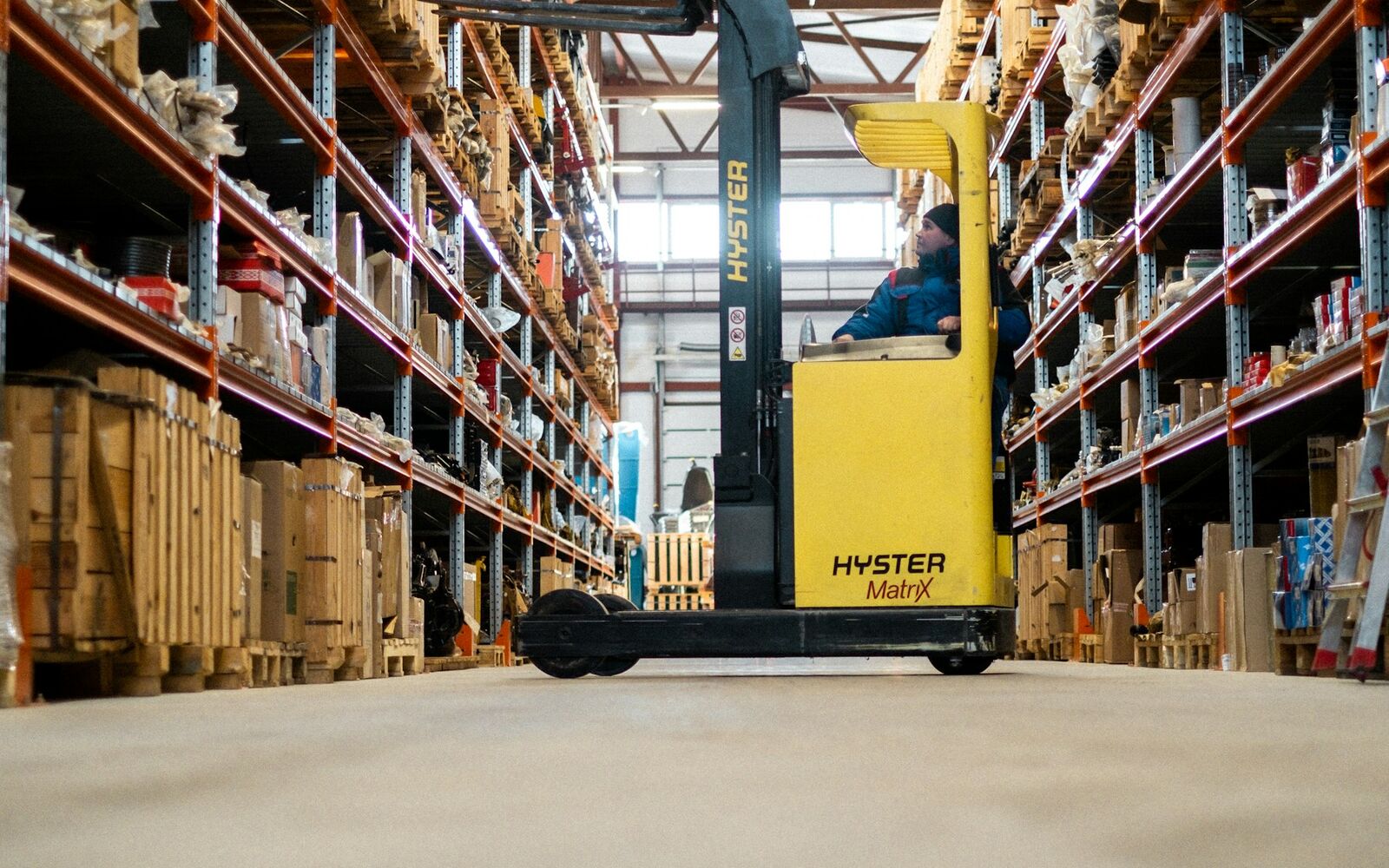
Every importing business runs into the same question at some point: the goods have arrived in Türkiye, but paying the duties immediately strains cash flow, or part of the consignment will be re-shipped to another country. This is where the question what is a bonded warehouse comes up. A bonded warehouse is a facility under customs supervision where goods are stored without yet being considered imported. While the goods sit in bond, no customs duty or import VAT is paid; the tax falls due only when the goods are released for free circulation, in other words when they are actually imported. This article answers what is a bonded warehouse, explains the types, advantages, process and which businesses benefit most. Özd Global manages bonded warehousing end to end from Gebze, combining storage infrastructure with customs expertise.

What Is a Bonded Warehouse?
Under customs legislation, a bonded warehouse (known in Türkiye as an "antrepo") is a place where non-free-circulation goods can be stored without payment of import duties and without being subject to commercial policy measures. A container arriving from abroad and moved from the port into a bonded warehouse has physically entered the customs territory but is legally not yet imported.
The operator is a company authorised by customs, has lodged a guarantee and meets physical security requirements. Every entry and exit is recorded through a warehouse declaration, and stock movements are monitored by customs.
Difference from a Free Warehouse
Goods in a free (domestic) warehouse have had their duties paid and their import completed; they can be used freely. Goods in a bonded warehouse keep their customs status, remain untaxed, and can only leave with a customs declaration.
Types of Bonded Warehouse
In Türkiye, bonded warehouses are divided into general and private warehouses, with types identified by letters.
| Type | Group | Who can use it | Characteristic |
|---|---|---|---|
| Type A | General | Anyone | Operator is responsible for the goods and records |
| Type B | General | Anyone | Responsibility lies with the depositor |
| Type C | Private | Operator only | Used for the operator's own goods |
| Type D | Private | Operator only | Allows simplified release for free circulation |
| Type E | Private | Operator only | Record-based system without a physical warehouse requirement |
| Type F | General | Anyone | Operated by the customs administration itself |
Bonded warehouses offered by logistics providers to third parties are typically Type A, which means stock records and customs responsibility are handled by the operator.
Advantages of Using a Bonded Warehouse
- Duty deferral: Customs duty and import VAT are paid when the goods leave the warehouse. You do not pay tax before you sell.
- Partial release: You clear and pay duty on only the portion you need, not the whole container.
- Transit trade: Goods in bond can be re-exported to a third country without duty.
- Rate and exchange management: Duties are calculated at the rate and tariff applicable on the release date, which can occasionally work in your favour.
- Handling operations: Simple operations such as labelling, packing, sorting and consolidation can be carried out inside the warehouse with customs approval.
- Stock proximity: With goods already in Türkiye, delivery lead times to customers are shorter.
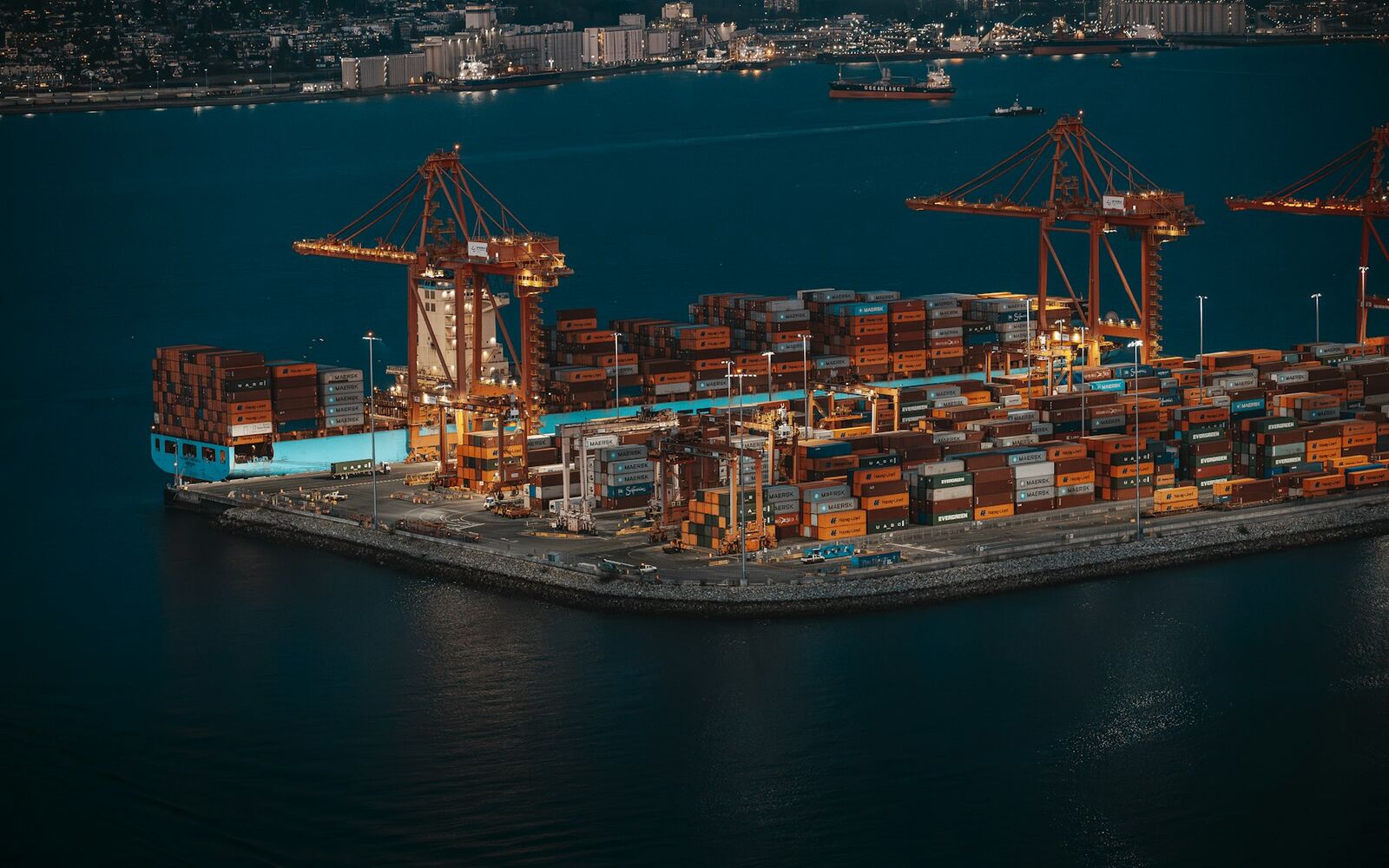
How the Bonded Warehouse Process Works
The process runs through these steps:
- Arrival and warehouse declaration: The goods reach the port or airport and a warehouse declaration is lodged for entry into bond.
- Transfer to the warehouse: Goods move under customs supervision; seals and documents are checked.
- Entry record and stock tracking: The goods are booked into the warehouse records with quantity, description and value.
- Storage and handling: The goods wait as long as needed; approved handling operations may be carried out.
- Exit declaration: Goods leave under a release for free circulation (import), transit or re-export declaration.
- Duty payment: For imports, duties are calculated and paid at the time of exit.
Throughout the process the Özd Global customs clearance team prepares the declarations while our warehousing and distribution unit handles physical stock management.
Tip: Prepare the packing list for goods entering bond line by line, grouped by tariff heading. Partial releases require each line to be declared separately; a well-organised list shortens release times and prevents declaration errors.
Which Businesses Benefit Most?
A bonded warehouse delivers clear advantages for these profiles:
- Importers of goods with high duty rates (cash flow benefit)
- Businesses buying in bulk and selling in batches (partial release)
- Companies using Türkiye as a regional distribution hub (re-export)
- Distributors holding stock without confirmed orders
- Importers of seasonal products waiting for the selling period
For small, quickly cleared imports, the warehouse cost can outweigh the benefit, and direct import is more practical. To work out which scenario fits you, reach the Özd Global team through our contact page or call +90 551 462 41 34.
Bonded Warehouse Costs
Charges typically consist of a storage fee per pallet or square metre, in-and-out handling, declaration and brokerage charges, and insurance. Rates vary with location, goods and storage period; for most importers, the cash-flow benefit of duty deferral more than covers the cost.
Frequently Asked Questions
How long can goods stay in a bonded warehouse? The legislation defines no general maximum; goods can remain in bond as long as needed. However, customs may request action on goods that stay inactive for a long time, and storage fees accumulate with time.
Can goods in a bonded warehouse be sold? Yes. Ownership of bonded goods can be transferred without changing their customs status. When the new owner wants to import the goods, they pay the duties in their own name.
Can goods be processed inside the warehouse? Simple handling that does not change the nature of the goods (labelling, packing, sorting, sampling) is allowed with customs approval. Manufacturing or substantial transformation falls outside the warehousing regime.
Used well, a bonded warehouse is a powerful tool that eases an importer's cash flow and adds stock flexibility. With our Gebze infrastructure and customs expertise, Özd Global manages your bonded warehousing from declaration to stock control under one roof; share your import plan and let us set up the right bonded solution together.